
TL;DR

Get baking supplies delivered free — and shop member deals
- Fast, free delivery on millions of items
- Access to Prime Big Deal Days deals on October 6–7
- Prime Video, Amazon Music and more included
This article provides a confirmed, step-by-step guide to making potato pierogis at home. It covers ingredients, preparation, and cooking methods, helping readers recreate this classic dish confidently.
Home cooks can now learn how to make authentic potato pierogis through a detailed, step-by-step recipe shared by culinary experts. This development provides a reliable guide for those interested in preparing this traditional Polish dish from scratch, emphasizing ease and authenticity.
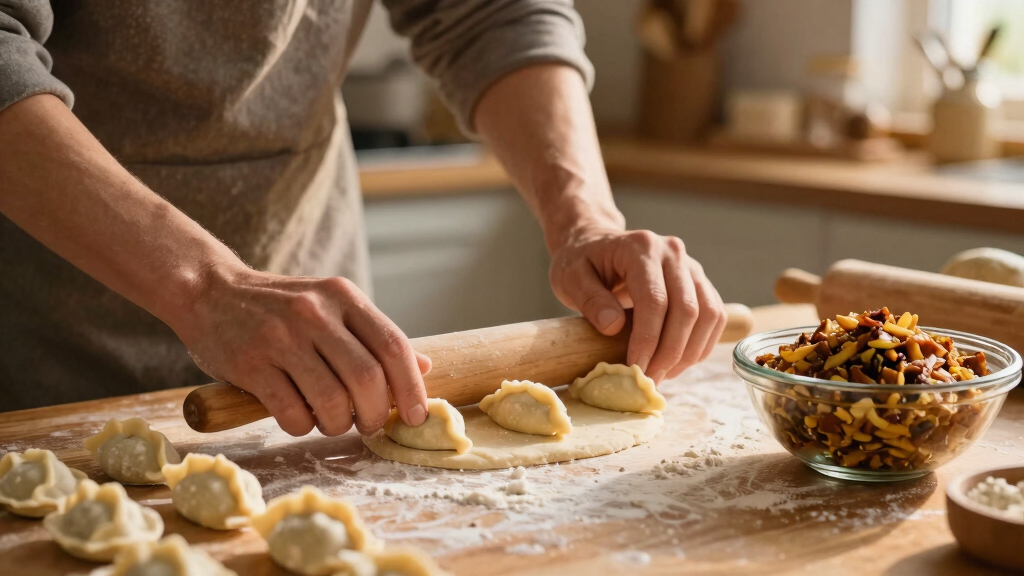
The recipe involves preparing a simple dough using flour, eggs, and water, then filling it with a mixture of mashed potatoes, cheese, and seasonings. If you’re interested in kitchen gadgets, check out the best pasta makers for making dough at home. The filled pierogis are boiled until tender, then optionally pan-fried for a crispy exterior. The instructions include specific measurements, cooking times, and tips for achieving the best texture and flavor. For additional kitchen tools, explore our selection of wine coolers and other appliances to enhance your cooking experience.
According to the source, the dough should be rested for at least 30 minutes, and the filling can be customized with ingredients such as cheese, cooked bacon, or sautéed onions. The recipe emphasizes food safety, recommending boiling pierogis until they float, indicating they are cooked through.
Why Home-Made Pierogis Matter for Culinary Enthusiasts
This guide offers home cooks a reliable method to recreate a beloved traditional dish, fostering cultural appreciation and culinary skills. Making pierogis at home allows for customization, control over ingredients, and the satisfaction of preparing a classic comfort food from scratch. It also supports the preservation of Polish culinary heritage in everyday cooking.
As an affiliate, we earn on qualifying purchases.
Traditional Origins and Popularity of Pierogis
Pierogis are a staple in Polish cuisine, dating back centuries, with variations found across Eastern Europe. They gained popularity worldwide through Polish immigrants and have become a widely enjoyed dish in many countries. Recent interest in homemade and artisanal foods has led to increased sharing of authentic recipes, including detailed instructions suitable for home cooks.
Previous recipes often lacked clarity or were simplified, but recent culinary guides now emphasize authenticity, including tips for dough consistency and filling variations. This latest recipe aligns with a broader trend of preserving traditional methods while adapting them for modern kitchens.
“Pierogis are more than just food; they are a cultural symbol that connects generations through shared recipes and traditions.”
— Food historian Dr. Marek Nowak
Unconfirmed Variations and Personalization Tips
While the recipe provides a solid foundation, it is not yet clear how different fillings or cooking methods might affect flavor and texture. Variations with gluten-free dough or alternative fillings are still being explored by home cooks and culinary experts.
Additionally, specific regional techniques or secret ingredients are not detailed, leaving room for personal adaptation and experimentation.
Next Steps for Home Cooks and Culinary Communities
Readers are encouraged to try the provided recipe and share their results. Cooking communities and food bloggers may experiment with filling variations or cooking techniques, contributing to a broader understanding of authentic pierogi preparation. Future updates may include video tutorials or regional variations based on feedback.
Culinary educators may incorporate this recipe into cooking classes, promoting traditional Polish cuisine and fostering cultural exchange.
Key Questions
Can I make pierogis with gluten-free flour?
Yes, gluten-free flour can be used, but the dough’s texture may differ. It is recommended to follow a gluten-free pierogi dough recipe and adjust hydration accordingly.
How long can I store uncooked pierogis?
Uncooked pierogis can be frozen for up to 3 months. Place them on a baking sheet to freeze individually before transferring to a sealed container or bag. Cook directly from frozen, adding a few extra minutes to boiling time.
Are there vegetarian filling options?
Yes, vegetarian fillings such as mushroom, sauerkraut, or spinach and cheese are popular alternatives. Customize fillings based on dietary preferences.
What is the best way to serve pierogis?
Traditionally, pierogis are served hot, topped with sautéed onions or sour cream. They can be enjoyed as a main dish or side and are suitable for both casual and festive meals.
Source: rss
Fall Picks
fall essentials
As an affiliate, we earn on qualifying purchases.