
TL;DR

Get baking supplies delivered free with Prime
- Fast, free delivery on millions of items
- Prime Video, Amazon Music and more included
- Member-only deals all year
This article examines the traditional flatbreads of Uzbekistan, highlighting their historical roots and cultural significance based on 2015 research. It discusses what is confirmed, claims, and what remains uncertain about this culinary heritage.
In 2015, researchers and cultural historians highlighted the significance of Uzbekistan’s traditional flatbreads, known locally as non, as a vital aspect of the country’s culinary and cultural heritage.
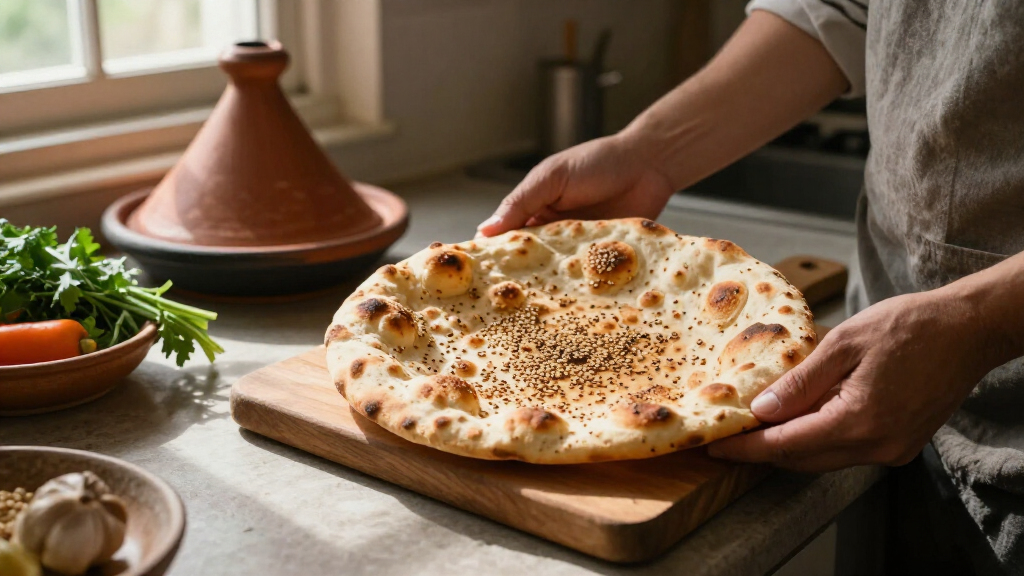
The 2015 documentation confirms that Uzbekistan’s flatbreads have a long-standing history dating back centuries, with specific baking techniques passed down through generations. These breads are typically baked in tandoor ovens, using locally sourced ingredients such as wheat flour, water, and salt. According to the study, the process involves shaping the dough into thin rounds and baking them at high temperatures, resulting in a distinctive crispy exterior and soft interior. The flatbreads are central to Uzbek hospitality and daily life, often served with a variety of traditional dishes or used as a utensil for eating. While the cultural importance of these breads is well-established, detailed regional variations and the precise historical origins remain less documented, with some claims suggesting origins from ancient Silk Road trade routes. The 2015 research emphasizes that these breads symbolize community, tradition, and national identity, and efforts are underway to preserve their traditional methods amid modernization pressures.Cultural and Culinary Significance of Uzbek Flatbreads
The flatbreads of Uzbekistan are more than just a staple food; they are a symbol of national identity and cultural continuity. Their traditional preparation methods and central role in social rituals make them an important aspect of Uzbekistan’s intangible cultural heritage. Preserving these breads supports cultural tourism and local economies, and highlights the importance of safeguarding traditional culinary practices in a rapidly modernizing society. Their significance extends beyond nutrition, embodying social cohesion and historical continuity, which is why efforts to document and preserve these traditions are considered vital by cultural authorities.
Products Worth Considering

Le Creuset Signature Enameled Cast Iron Round Dutch Oven, 5.5 qt, Deep Teal

Le Creuset Enameled Cast Iron Round Dutch Oven, 5.5 Qt, Flame

Le Creuset Enamemed Cast Iron Oval Dutch Oven, 5 qt., White/Crucible
As an affiliate, we earn on qualifying purchases.
Historical Roots and Cultural Role of Uzbek Flatbreads
Uzbek flatbreads, or non, have been a staple in Central Asian cuisine for centuries, with references dating back to medieval Persian texts and Silk Road trade records. Historically baked in clay or tandoor ovens, these breads served as both everyday food and ceremonial offerings. The 2015 research underscores that regional variations exist across Uzbekistan, with differences in size, shape, and ingredients reflecting local customs and available resources. The tradition of baking and sharing flatbreads is deeply embedded in social customs, including hospitality and communal gatherings. Although the precise origins of these breads are difficult to trace, their enduring presence highlights their importance in maintaining cultural identity amid changing political and social landscapes.
“Making non is an art passed down through generations; it connects us to our ancestors and community.”
— Local baker in Tashkent
Unresolved Questions About Origins and Regional Variations
While the cultural importance of Uzbek flatbreads is well-established, details about their precise origins and the extent of regional variations remain uncertain. Some claims suggest links to ancient Silk Road trade routes, but definitive archaeological or historical evidence is lacking. Additionally, contemporary changes threaten the preservation of traditional baking techniques, and it is unclear how widespread these practices are across different regions today. Researchers note that more detailed ethnographic studies are needed to fully understand the diversity and historical development of these breads.
Future Efforts to Preserve and Document Traditional Baking
Ongoing initiatives aim to document traditional baking techniques and promote cultural heritage preservation, including UNESCO recognition efforts. Local communities and cultural organizations are working to sustain traditional methods amid modernization and globalization. Further research is expected to clarify the historical origins and regional differences, while educational programs seek to pass down baking skills to younger generations. Monitoring the impact of these efforts will determine how well the tradition survives in the coming years.
Key Questions
What are Uzbek flatbreads called locally?
They are called non in Uzbek, a term referring broadly to traditional flatbreads.
How are Uzbek flatbreads traditionally made?
They are shaped into thin rounds from wheat flour dough and baked in a tandoor oven at high temperatures, resulting in a crispy exterior and soft interior.
Why are these flatbreads culturally important?
They symbolize community, tradition, and national identity, serving as an integral part of social rituals and daily life in Uzbekistan.
Are there regional differences in Uzbek flatbreads?
Yes, variations exist in size, shape, and ingredients, reflecting local customs, but detailed regional distinctions are not fully documented.
What challenges threaten the preservation of these breads?
Modernization, urbanization, and loss of traditional baking skills pose risks to maintaining authentic methods and cultural significance.
Source: hn