
TL;DR

Get baking supplies delivered free with Prime
- Fast, free delivery on millions of items
- Prime Video, Amazon Music and more included
- Member-only deals all year
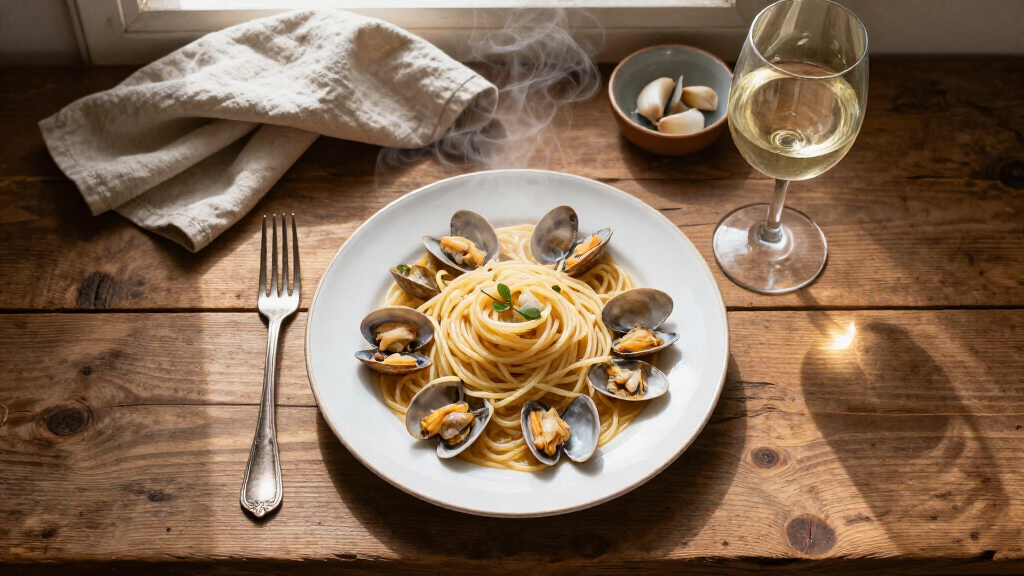
Search interest in clam spaghetti as a form of devotion has surged, driven by stories of Grandpa Antonio’s unwavering belief. The trend is based on anecdotal reports, with no confirmed organized religion but significant cultural fascination.
Recent online interest has surged around the claim that Grandpa Antonio considered clam spaghetti a form of religion, a story that has captivated food enthusiasts and cultural observers. This trend appears to be based on anecdotal reports and social media chatter, rather than verified historical or religious documentation. The phenomenon underscores how food and personal beliefs can intertwine in unexpected ways, sparking widespread curiosity and debate.
The trend originated from a series of social media posts and articles that recount stories of Grandpa Antonio, an elderly man known in his community for his unwavering devotion to eating clam spaghetti. According to these reports, he regarded the dish as more than just a meal—some describe it as a spiritual practice or even a form of worship. While there is no evidence of an organized religion or formal rituals associated with clam spaghetti, the stories highlight a cultural phenomenon where food becomes a symbol of personal faith and identity.
Search interest in “clam spaghetti religion” or similar phrases has spiked over the past few weeks, with many users sharing anecdotes, recipes, and reflections on the significance of food in their personal or cultural lives. Experts caution that this trend appears to be more of a social media-driven meme or metaphor rather than a literal religious movement. Nonetheless, it has resonated with many who see it as an example of how food can serve as a vessel for community, tradition, and personal meaning.
Cultural Significance of Food as Personal Faith
The rising interest in Grandpa Antonio’s devotion to clam spaghetti illustrates how food can transcend sustenance to become a symbol of personal identity and cultural heritage. For some, this trend reflects a broader societal tendency to find meaning in everyday practices, especially amid increasing discussions about spirituality, tradition, and community. It also highlights how social media can amplify niche stories into widespread phenomena, blurring the lines between humor, metaphor, and genuine belief. While no formal religious structure exists around clam spaghetti, the stories reveal a deep human desire to find significance in familiar rituals and shared experiences.
Products Worth Considering

Cuisinart Chef's Classic 7-Piece Stainless Steel Cookware Set

KitchenAid Classic Series 4.5-Quart Tilt-Head Stand Mixer, Onyx Black

KitchenAid Artisan 5-Quart Tilt-Head Stand Mixer, Almond Cream
As an affiliate, we earn on qualifying purchases.
Origins of the Clam Spaghetti Devotion Trend
There are no verified historical records indicating that Grandpa Antonio founded or practiced a formal religion centered on clam spaghetti. The stories about him seem to have emerged from anecdotal accounts shared online, possibly as a humorous or heartfelt tribute to his character. The trend coincides with a broader increase in social media content that romanticizes or satirizes personal rituals involving food. The phenomenon taps into a long-standing cultural motif where food is seen as a conduit for expressing love, faith, and community bonds, but it is not rooted in any documented religious doctrine or tradition.
Unconfirmed Origins and Actual Beliefs
It is not yet clear whether Grandpa Antonio’s devotion to clam spaghetti was genuine, exaggerated, or a constructed story for social media. There is no verified evidence that he considered the dish a religious practice in any formal sense. The stories may be apocryphal or symbolic, and details about his personal beliefs remain unconfirmed. Researchers and cultural observers note that the trend appears to be more of a social media meme than an actual religious movement, but the true origins and motivations behind the stories are still unclear.
Experts expect continued online discussion and possibly the emergence of more stories or memes linking food to personal faith. Researchers may investigate whether this trend reflects broader attitudes toward food and spirituality or is primarily a social media phenomenon. No official statements or evidence have confirmed that Grandpa Antonio’s story is based on factual religious practices, but the cultural conversation around food as a symbol of devotion is likely to persist.
Key Questions
Is there any evidence that Grandpa Antonio actually regarded clam spaghetti as a religion?
There is no verified evidence; the stories appear to be anecdotal or symbolic, circulating mainly through social media and online stories.
Why has interest in this story suddenly increased?
The trend seems to have gained traction through social media posts and viral stories, resonating with audiences interested in food, culture, and personal stories.
Could this lead to a new religious movement?
Unlikely, as there is no evidence of organized practices or formal beliefs; it is more a cultural meme than a religious movement.
What does this trend say about modern society?
It reflects how food can symbolize personal identity and community, and how social media can amplify niche stories into widespread cultural phenomena.
Are there similar examples of food being regarded as religious?
Historically, some cultures have regarded certain foods as sacred or ritualistic, but the current trend appears more metaphorical than literal.
Source: rss