TL;DR

Get baking supplies delivered free with Prime
- Fast, free delivery on millions of items
- Prime Video, Amazon Music and more included
- Member-only deals all year
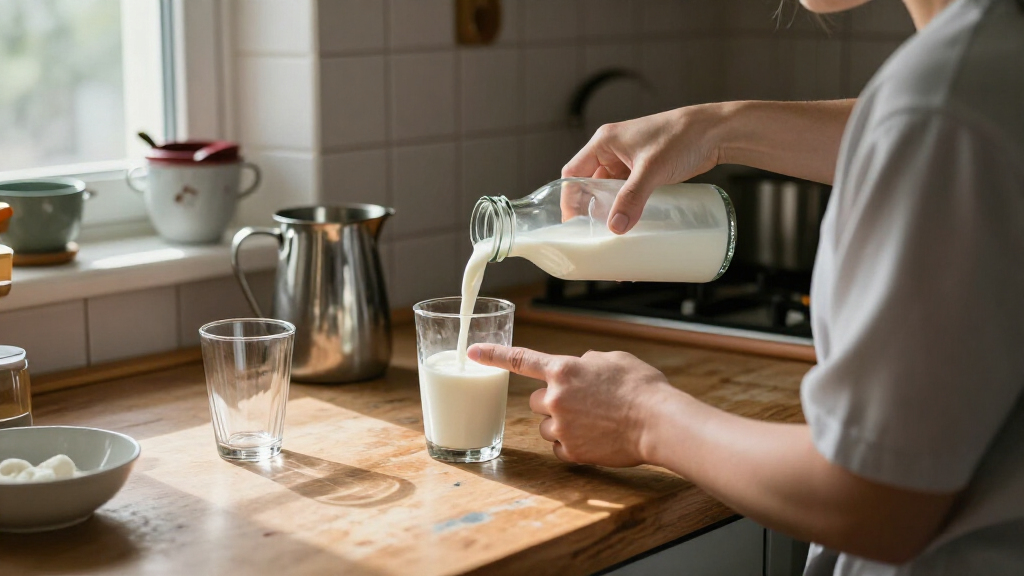
The American Academy of Pediatrics is calling for a nationwide ban on the sale of raw milk and raw milk products, citing the risk of contamination with disease-causing organisms. Its scientific review says claims that unpasteurized milk offers nutritional benefits are not supported by science. The report does not provide details on a proposed law or how a nationwide ban would be enacted.
The American Academy of Pediatrics (AAP) is calling for a nationwide ban on the sale of raw milk and raw milk products, arguing that unpasteurized dairy can be contaminated with bacteria, parasites and viruses. The position is set out in a scientific review that also says claims of nutritional benefits from raw milk are not supported by science.
The AAP says the risk of contamination is the basis for its call to prohibit sales across the country. Raw milk is milk that has not undergone pasteurization, a heat treatment used to reduce disease-causing organisms. The review concerns both unpasteurized milk and products made from it.
In the review, the academy links continuing illness associated with raw dairy to what it describes as misinformation about supposed benefits and an underestimation of health risks. It characterizes the evidence for claimed nutritional advantages as lacking scientific support. The report, as summarized by Food Safety News, does not provide specific study results, illness counts or a list of organisms identified in particular cases.
The recommendation is an AAP policy call, not an announcement that a nationwide prohibition has been enacted. The source report does not describe a bill, regulatory order or enforcement plan. It also does not give details about how the academy proposes a ban would apply to different raw milk products or sales channels.
Risks for Children and Families
The AAP’s position is relevant to parents and caregivers because it focuses on a food that may be consumed by children while carrying pathogens capable of causing foodborne illness. The review frames raw milk contamination as a preventable risk, rather than treating unpasteurized products as a proven route to better nutrition.
A nationwide ban, if adopted by policymakers, would affect the legal sale of raw milk and products made from it. For now, the announcement is a recommendation from a medical organization; it does not itself change what is legally available to consumers. The distinction matters for families making food choices and for officials weighing public-health policy.
As an affiliate, we earn on qualifying purchases.
The Academy’s Scientific Review
The AAP is a professional organization focused on children’s health. Its review addresses the safety of unpasteurized milk and the claims used to support its consumption. Food Safety News reported the call for a ban on October 8, 2026, and described the review as the basis for the academy’s position.
The report’s central reasoning is that raw milk can carry foodborne bacteria, parasites and viruses, while claimed nutritional benefits are not founded in science, according to the AAP. The material provided does not include the review’s full methods, publication details, cited studies or a comparison of illness rates between raw and pasteurized dairy. Those details would be needed to assess the evidence beyond the summary published by Food Safety News.
““Reasons for the continued burden of disease related to unpasteurized milk or milk products are primarily related to misinformation regarding purported benefits and underestimation of risk.””
— American Academy of Pediatrics, as quoted in the scientific review
Policy Details Still Unspecified
The available report does not say whether the AAP has proposed specific federal legislation, asked a particular agency to act or outlined a timetable for a ban. It is also unclear how a nationwide prohibition would be implemented, what exceptions might be considered or how current state and local rules would be affected.
The source summary does not include the full scientific review or its supporting data, so the scope and strength of individual findings cannot be independently assessed from the material provided. No new outbreak, product recall or confirmed illness total is reported as part of this development.
Possible Steps Toward a Ban
The next developments to watch are whether federal or state policymakers respond to the AAP’s recommendation and whether the academy publishes additional detail about its proposed approach. The supplied report does not identify a scheduled vote, agency decision or other formal policy milestone.
Until any legal change is announced, the AAP’s call remains a public-health recommendation rather than a nationwide sales restriction. Further reporting on the full review, government responses and any proposed rules could clarify the evidence cited and what action, if any, follows.
Key Questions
What is the AAP calling for?
The American Academy of Pediatrics is calling for a nationwide ban on the sale of raw milk and raw milk products.
Why does the academy want a ban?
The AAP says raw milk can be contaminated with bacteria, parasites and viruses. Its review also says claims that raw milk has nutritional benefits are not supported by science.
Has a nationwide ban taken effect?
The source report describes an AAP recommendation, not an enacted ban. It does not report a law, regulatory order or enforcement date.
What remains unknown about the proposal?
The report does not specify how a ban would be introduced or enforced, whether exceptions would apply, or what government body might act. It also does not provide the full review’s methods or supporting data.
Source: rss
Halloween Picks
halloween
As an affiliate, we earn on qualifying purchases.