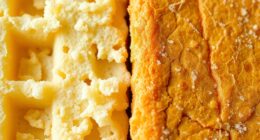

When choosing allergen-friendly waffles, always check labels carefully for nuts, gluten, and dairy to avoid potential reactions. Opt for products made in nut-free and gluten-free facilities, and consider homemade recipes using trusted mixes that suit your allergies. Be aware of cross-contact risks from manufacturing processes and ingredient sharing. Staying vigilant helps keep you safe, and if you continue exploring, you’ll find more tips to enjoy allergen-friendly waffles confidently and safely.
Key Takeaways
- Choose nut-free, gluten-free, and dairy-free waffle options with clear allergen labeling to ensure safety.
- Read ingredient lists carefully, even on products labeled allergen-free, to avoid cross-contact risks.
- Consider homemade waffles using trusted mixes or recipes that substitute common allergens with safe alternatives.
- Verify manufacturing processes and look for certified allergen-free products to minimize cross-contamination.
- Communicate ingredient concerns clearly and stay informed about allergen-free options to confidently enjoy waffles safely.

For anyone with food allergies, enjoying a delicious breakfast can feel challenging, but allergen-friendly waffles make it easier. When you’re managing a nut allergy, the last thing you want is to worry about hidden cross-contamination or accidental exposure. Luckily, many brands now produce nut-free waffle options that are both safe and tasty. Look for waffles made in nut-free facilities or labeled specifically as nut-free to ensure peace of mind. These waffles often use alternative ingredients like seeds or soy to add texture and flavor without risking allergy symptoms. Always check labels carefully, even if the product claims to be nut-free, since manufacturing processes can sometimes lead to cross-contact.
Nut-free waffles are safe, tasty options made in dedicated facilities—always check labels to avoid cross-contact.
If gluten sensitivity or celiac disease is part of your dietary needs, finding gluten-free waffles isn’t just a matter of preference—it’s necessary for your health. Fortunately, the market has expanded significantly, offering a variety of gluten-free waffle mixes and pre-made options. These are often made with rice flour, almond flour (if you’re not allergic to nuts), or other gluten-free grains like sorghum or millet. When selecting gluten-free waffles, pay attention to certification labels, which indicate the product has been tested and meets safety standards. Making waffles at home with a trusted gluten-free mix is another excellent way to control ingredients and avoid cross-contact with gluten-containing products.
You’ll find that allergen-friendly waffles are often free from common allergens like dairy, eggs, and soy, too, making them versatile for various dietary restrictions. Vegan and allergy-friendly recipes use plant-based milks and egg substitutes, giving you options that are both safe and delicious. Many recipes are simple to adapt—using mashed bananas or applesauce in place of eggs, for example—so you can customize your waffles to suit your needs. When shopping, always read labels carefully to verify that no undesirable ingredients are included, especially if you have multiple allergies.
Additionally, utilizing detecting passive voice techniques can help make your writing clearer and more engaging, ensuring your message is effectively communicated to your audience. Whether you’re dealing with a nut allergy or gluten sensitivity, the key is to be vigilant and informed. Thankfully, the availability of allergen-friendly waffle products means you don’t have to sacrifice flavor or enjoyment. With a little planning and the right ingredients, you can indulge in a warm, crispy waffle that fits your dietary needs without worry. This way, breakfast becomes a safe, satisfying start to your day, no matter your allergies or sensitivities.
Frequently Asked Questions
Are Allergen-Friendly Waffles Suitable for Children With Multiple Allergies?
You should carefully evaluate if allergen-friendly waffles suit children with multiple allergies. Cross contact concerns are significant, so check if the waffles are made in allergen-free facilities and have clear labeling. Nutritional considerations also matter—ensure they meet dietary needs without risking allergic reactions. Always read ingredient lists thoroughly and consult with healthcare providers to confirm the waffles are safe for children with complex allergies.
How Long Do Allergen-Friendly Waffles Stay Fresh After Baking?
Did you know that properly stored waffles can stay fresh for up to 2 days? After baking, your allergen-friendly waffles typically have a shelf life of 1-2 days if kept at room temperature. For longer freshness, store them in an airtight container or freeze them. Use storage tips like wrapping tightly or placing in a sealed bag to maintain taste and texture. Reheat thoroughly before serving for the best experience.
Can Allergen-Friendly Waffles Be Customized With Additional Toppings?
You can definitely customize allergen-friendly waffles with various topping variations to suit your taste. Many recipes or brands offer customization options, allowing you to add fruits, dairy-free syrups, or nut-free spreads. Just make certain that your chosen toppings align with your allergen restrictions. Experimenting with different options can make each waffle unique and enjoyable, giving you plenty of flexibility to create your perfect breakfast or snack.
What Are the Best Storage Methods for Allergen-Friendly Waffles?
Storing snacks securely starts with smart strategies. You’ll want to use airtight containers to keep waffles fresh and prevent pests. For longer storage, freezing methods work best—wrap waffles tightly and place them in a freezer-safe bag. This keeps them crispy and safe from freezer burn. Remember, proper storage preserves your waffles’ warmth, moisture, and marvelous texture, making each delicious bite as delightful as the first.
Are There Any Common Allergens Still Present in Allergen-Friendly Waffle Recipes?
You might still encounter common allergens in allergen-friendly waffle recipes due to cross-contamination risks during preparation or ingredient substitutions. Even with careful choices, traces of nuts, gluten, or dairy can remain if shared equipment isn’t thoroughly cleaned. Always check labels and ask about ingredient sources to minimize risks, and consider making your own waffles to better control potential allergens and prevent cross-contact.
Conclusion
Now that you know how to make allergen-friendly waffles, you can enjoy a safe, delicious breakfast without worries. Did you know that nearly 8% of children worldwide have food allergies? Imagine serving a warm, crispy waffle that everyone can enjoy, even those with nut, gluten, or dairy sensitivities. With a little care and the right ingredients, you can create a comforting meal that brings everyone together—delicious, inclusive, and allergy-aware.