
TL;DR
US authorities are intensifying enforcement on beer-related violations, imposing higher fines and confiscations. The move follows recent disputes over enforcement measures, prompting debate about fairness and regulation consistency.
US law enforcement agencies have recently increased fines and confiscations related to beer violations, marking a significant shift in enforcement practices. This development comes amid ongoing disputes over the fairness and consistency of these measures, affecting breweries, retailers, and consumers.
According to reports from multiple US states, authorities have intensified their crackdown on violations involving beer, including excessive alcohol content, improper storage, and licensing issues. Recent actions include confiscating large quantities of beer from retail outlets and imposing fines exceeding previous levels. Schlitz beer discontinued after 177 years. Officials from the Alcohol and Tobacco Tax and Trade Bureau (TTB) confirmed that these measures are part of broader efforts to enforce alcohol laws more strictly.
Legal experts note that the increase in fines and confiscations appears to be a response to concerns about underage drinking, alcohol abuse, and regulatory compliance. Some industry representatives have criticized the enforcement as overly aggressive, citing cases where small businesses faced substantial penalties for minor violations. The dispute has gained media attention, with some claiming that enforcement is inconsistent across jurisdictions. Schlitz beer discontinued after 177 years.
Implications of Stricter Beer Enforcement for Industry and Consumers
The escalation in enforcement actions signals a potential tightening of alcohol regulation in the US, which could impact breweries, retailers, and consumers. Higher fines and confiscations may lead to increased operating costs and legal challenges for businesses. For consumers, this could mean less availability of certain beer products and stricter compliance requirements. The move also raises questions about the fairness and transparency of enforcement practices, with some arguing it could disproportionately affect small businesses and local breweries.
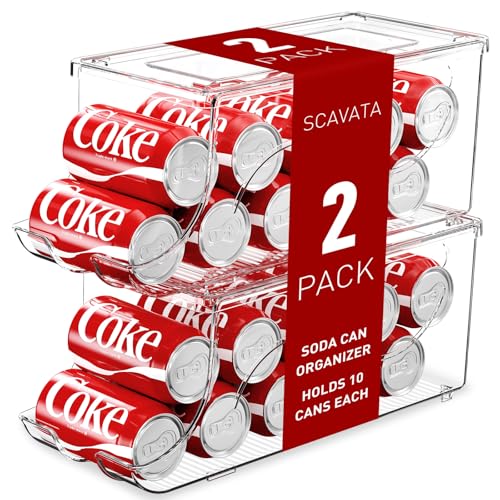
SCAVATA 2 Pack Stackable Refrigerator Organizer, Soda Can Dispenser Pop Cans Container Beverage Holder with Lid for Fridge, Freezer, Kitchen, Clear Plastic Storage Bins-Holds 10 Cans Each
- Stackable Design with Lid: Maximizes storage and extra surface space
- Large Capacity: Holds up to 10 cans per bin
- Multi-Purpose Use: Suitable for beverages and canned foods
As an affiliate, we earn on qualifying purchases.
As an affiliate, we earn on qualifying purchases.
Recent Trends in US Alcohol Law Enforcement
Over the past year, US authorities have stepped up efforts to regulate alcohol sales and consumption, citing concerns over underage drinking and alcohol-related incidents. Several states have introduced new policies aimed at stricter licensing and sales monitoring. The recent surge in fines and confiscations related to beer appears to be an extension of this trend, with enforcement actions increasing in frequency and severity. Historically, enforcement has varied widely across states and localities, leading to disputes over consistency and fairness.
“The recent enforcement push reflects a broader crackdown on alcohol violations, but it’s crucial that these measures remain fair and transparent.”
— John Smith, attorney specializing in alcohol law
Unclear Scope and Future of Enforcement Measures
It is not yet clear how widespread the new enforcement practices will become or whether they will be codified into permanent policy changes. Some industry groups are challenging the legality of certain confiscations and fines, and ongoing legal proceedings may influence future enforcement standards. Details about the criteria for penalties and the consistency of enforcement across jurisdictions remain under review.
Next Steps in Enforcement Policy and Industry Response
Legal challenges and public debates are expected to shape future enforcement policies. Industry groups are planning to lobby for clearer regulations and fairer treatment. Meanwhile, authorities may continue to ramp up enforcement, with upcoming inspections and audits likely in the coming months. Stakeholders will be watching for any policy shifts or legal rulings that could alter current practices.
Key Questions
Why are fines for beer violations increasing?
Authorities cite concerns over public safety, underage drinking, and regulatory compliance as reasons for stricter enforcement and higher fines.
Are small breweries being disproportionately affected?
Many industry representatives argue that small breweries face higher relative penalties, which could threaten their viability, though official enforcement aims to be fair and consistent.
Could these enforcement actions lead to legal challenges?
Yes, some businesses are already challenging fines and confiscations in court, and legal outcomes could influence future enforcement policies.
Will enforcement practices change in the future?
It remains uncertain; ongoing legal cases and public debates may lead to policy revisions or clarification of enforcement standards.
What should businesses do to comply?
Businesses should review their compliance procedures, ensure adherence to licensing and storage laws, and stay informed about enforcement updates.
Source: google-trends