
TL;DR

Get baking supplies delivered free with Prime
- Fast, free delivery on millions of items
- Prime Video, Amazon Music and more included
- Member-only deals all year
Search interest in Aldi sardinen has increased significantly in recent days, indicating growing consumer curiosity or concern. The exact reason for this spike remains unconfirmed, but it has attracted widespread attention in Germany. The development highlights potential shifts in consumer behavior or supply chain issues. You might also be interested in Aldi introducing grocery blind boxes: Here’s how it works.
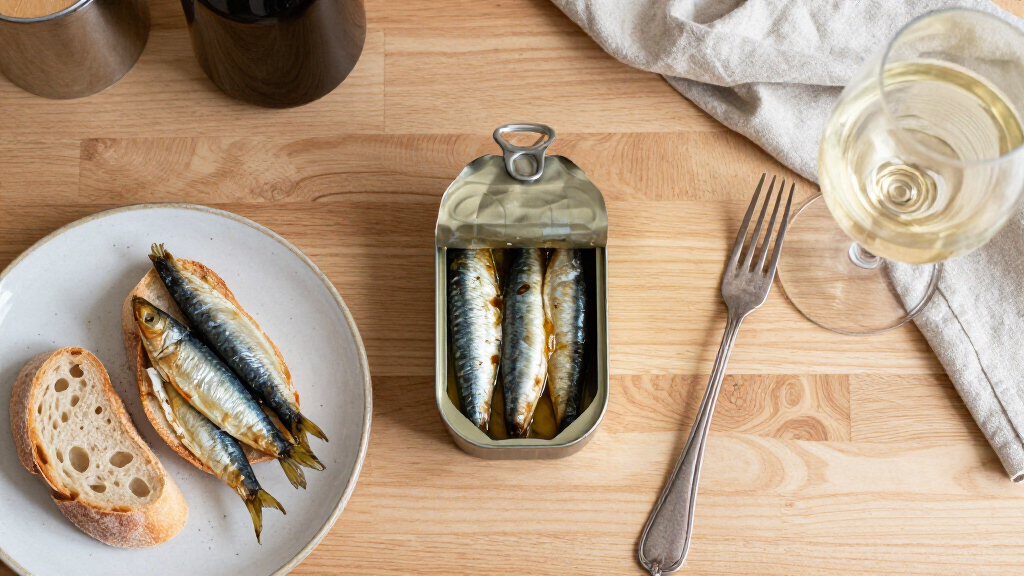
Consumer search interest in Aldi sardinen has surged sharply in recent days, with over 20,000 searches recorded in Germany. For more on Aldi’s product offerings, see 3 Best Aldi Foods In 2026. While the cause remains unconfirmed, the trend indicates heightened curiosity or concern among shoppers. This development is notable because Aldi is a major discount retailer, and increased interest in its canned sardines could reflect broader market or supply chain dynamics.
The recent spike in search volume for Aldi sardinen was first noted through online trend monitoring tools, showing approximately 20,000 searches within a short period. No official statements have been issued by Aldi or relevant authorities to explain the pattern, and the trigger for this surge remains unverified. Consumer forums and social media posts suggest a mix of speculation, with some users questioning product quality, availability, or pricing. Market analysts say such trends can sometimes signal supply chain disruptions, product recalls, or shifts in consumer preferences, but there is no confirmed information linking the search spike to any specific event or issue. For more related insights, check out The 15 Best Aldi Finds Of July Include Dill Pickle Fries And A Le Creuset Bread Oven Dupe.
Industry experts emphasize that spikes in search interest are common in the digital age and often reflect curiosity rather than confirmed problems. Aldi has not publicly addressed the trend, and the company’s official channels have not issued any notices regarding Aldi sardinen. Meanwhile, local retailers report stable stock levels, and no product recalls or safety alerts have been announced concerning Aldi canned sardines. The trend appears to be driven primarily by online searches and social media chatter, rather than verified supply or safety issues.
Implications for Consumer Confidence and Market Trends
The sudden increase in search interest in Aldi sardinen highlights how online consumer behavior can rapidly reflect or influence perceptions of product safety, availability, or quality. While there is no confirmed issue with Aldi sardines, such trends can impact consumer confidence and sales, especially if they lead to rumors or misinformation. For Aldi, a major retailer, maintaining transparency and monitoring consumer sentiment is crucial to prevent potential reputational damage. For the wider market, this trend underscores the importance of supply chain stability and clear communication during periods of consumer uncertainty.
As an affiliate, we earn on qualifying purchases.
Recent Trends in Consumer Search Behavior for Food Products
Over the past year, online search interest in various food products has fluctuated, often driven by supply chain disruptions, safety concerns, or viral social media posts. In Germany, Aldi remains one of the leading discount grocery chains, with a broad product range that includes canned goods like sardines. Historically, Aldi’s private-label products have experienced periodic surges in consumer interest, sometimes linked to promotional campaigns or supply issues. However, recent trends indicate that online search spikes can occur even without official announcements, reflecting the influence of digital communication channels on consumer perceptions.
Previously, similar spikes have been observed with other grocery items, often coinciding with product recalls or media reports. In this case, the lack of any official Aldi communication suggests that the current trend is driven more by consumer curiosity or social media activity than verified supply concerns. Market analysts note that such interest can sometimes precede actual product issues, but confirmation remains pending.
Unconfirmed Causes Behind the Search Interest Surge
It is not yet clear what has triggered the recent surge in searches for Aldi sardinen. No official statements or safety alerts have been issued by Aldi or regulatory agencies. The trend could be driven by social media rumors, unrelated product issues, or general curiosity among consumers. Analysts caution that without concrete evidence, the cause remains speculative, and further investigation is needed to determine whether there are underlying supply or safety concerns.
Monitoring for Official Statements and Market Impact
The next steps involve monitoring Aldi’s official channels for any updates or recalls related to sardinen. Market analysts and consumer watchdogs will also track social media and news outlets for emerging reports. If the trend persists or escalates, Aldi may need to address consumer concerns directly to prevent misinformation. Additionally, supply chain and safety authorities may review the product’s status if the search interest indicates broader consumer concern.
Key Questions
Is there a safety issue with Aldi sardinen?
Currently, there is no official confirmation of any safety issue. Aldi has not issued any recalls or safety notices regarding their sardine products.
Why has interest in Aldi sardinen suddenly increased?
The exact cause is unknown. The spike appears to be driven by online searches and social media activity, not confirmed product issues.
Should consumers be concerned about buying Aldi sardinen now?
Based on available information, there is no evidence of safety problems. Consumers can continue purchasing as usual but should stay informed through official Aldi updates.
Has Aldi made any official statement about this trend?
No, Aldi has not issued any official statement or warning related to the surge in search interest for sardinen.
Could this trend indicate upcoming product issues?
It’s possible, but without confirmed evidence, it remains speculative. Authorities and Aldi are monitoring the situation.
Source: google-trends
Halloween Picks
halloween
As an affiliate, we earn on qualifying purchases.