
TL;DR

Get baking supplies delivered free with Prime
- Fast, free delivery on millions of items
- Prime Video, Amazon Music and more included
- Member-only deals all year
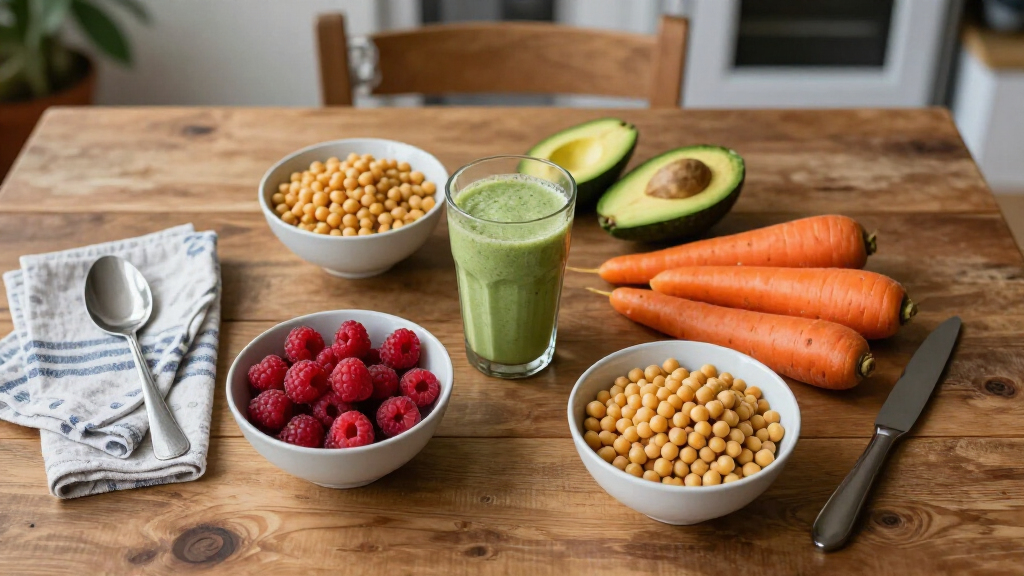
Dietitians have identified specific fruits and vegetables that provide the highest fiber content per serving. These foods can help boost dietary fiber intake, which is important for digestive health. The list includes well-known produce like raspberries, avocados, and artichokes.
Dietitians have confirmed that certain fruits and vegetables offer significantly higher fiber content per serving, providing practical options for those seeking to increase their dietary fiber intake. This development highlights accessible, natural sources of fiber that can support digestive health and overall nutrition.
According to registered dietitians, the fruits with the highest fiber per serving include raspberries, which contain about 8 grams of fiber per cup, and blackberries, with approximately 7 grams per cup. Among vegetables, artichokes stand out with roughly 7 grams of fiber per medium-sized artichoke, and avocados provide about 10 grams of fiber per cup sliced. These foods are recommended as part of a balanced diet to help meet the daily fiber intake goals, which are generally around 25 grams for women and 38 grams for men, according to the Dietary Guidelines for Americans.Dietitians emphasize that incorporating these high-fiber foods can aid in improving digestion, regulating blood sugar, and supporting weight management. They also note that fiber-rich fruits and vegetables are versatile and can be easily added to meals and snacks, making them practical choices for increasing fiber intake.
Why High-Fiber Fruits and Vegetables Matter for Health
Increasing dietary fiber intake is linked to several health benefits, including improved digestive health, lower cholesterol levels, and better blood sugar control. With many people not meeting recommended fiber intake levels, identifying specific high-fiber produce helps consumers make informed dietary choices. These foods can play a key role in preventing chronic illnesses such as heart disease, diabetes, and certain gastrointestinal conditions.
As an affiliate, we earn on qualifying purchases.
Recent Focus on Fiber-Rich Foods in Nutrition Advice
Nutrition experts have long promoted fiber as a vital component of a healthy diet. Recent dietary guidelines continue to emphasize the importance of consuming fiber-rich foods, with many public health campaigns encouraging increased intake. The identification of specific fruits and vegetables with the highest fiber per serving aligns with ongoing efforts to make healthy eating more accessible and practical for the general population.
Remaining Questions About Fiber Content and Dietary Impact
While dietitians have identified high-fiber fruits and vegetables, there is still some variability in fiber content based on growing conditions, ripeness, and preparation methods. It is also unclear how much these foods alone can meet individual fiber needs without overall dietary adjustments. Further research may clarify optimal serving sizes and combinations for maximum health benefits.
Next Steps for Consumers and Health Professionals
Health authorities and dietitians are expected to continue promoting awareness of high-fiber foods and may develop updated guidelines or educational materials. Consumers should consider incorporating these foods into their diets and consult with nutrition professionals to tailor fiber intake to their individual health needs. Monitoring ongoing research will help refine recommendations and improve dietary strategies.
Key Questions
Which fruits are the highest in fiber per serving?
Raspberries, blackberries, and pears are among the top fruits with the highest fiber content per serving, offering around 7-8 grams per cup or medium-sized portion.
What vegetables provide the most fiber?
Artichokes, avocados, and Brussels sprouts are notable for their high fiber content, with artichokes providing about 7 grams per medium-sized piece and avocados around 10 grams per cup sliced.
How much fiber should I aim for daily?
The Dietary Guidelines recommend about 25 grams for women and 38 grams for men per day, but individual needs may vary based on age, health, and activity level.
Can I get enough fiber from fruits and vegetables alone?
While high-fiber fruits and vegetables are important, achieving daily fiber goals typically requires a balanced diet that includes whole grains, legumes, nuts, and seeds, alongside produce.
Are there any risks to consuming too much fiber?
Excessive fiber intake can cause digestive discomfort, such as bloating or constipation, especially if increased suddenly. It is best to introduce fiber gradually and stay well-hydrated.
Source: rss
Fall Picks
fall essentials
As an affiliate, we earn on qualifying purchases.