
TL;DR

Get baking supplies delivered free — and shop member deals
- Fast, free delivery on millions of items
- Access to Prime Big Deal Days deals on October 6–7
- Prime Video, Amazon Music and more included
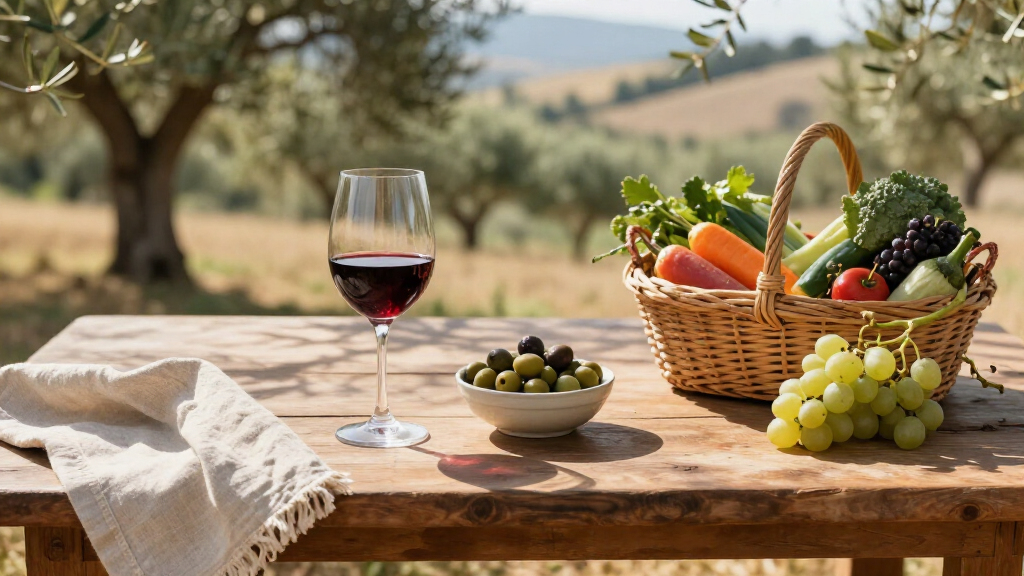
British musician Sting is growing olives, vegetables, and producing wine at his 900-acre estate in Tuscany. This development signals a notable move into agricultural production, though details remain unconfirmed.
British singer Sting is reportedly cultivating olives, vegetables, and producing wine at his 900-acre estate in Tuscany, Italy, according to recent media reports. This development marks a notable expansion of his activities beyond music, highlighting a growing interest in sustainable agriculture and local food production. The reports have attracted attention due to Sting’s celebrity status and the scale of his estate, though official confirmation from him or his representatives has not been issued.
According to recent media coverage, Sting, best known as the lead singer of The Police and a solo artist, has been involved in agricultural activities at his Tuscany property. The estate, which spans approximately 900 acres, is said to host olive groves, vegetable plots, and a wine production facility. The singer reportedly made this move as part of a personal interest in sustainable farming and local food sourcing. However, Sting has not publicly confirmed these activities, and the reports are based on secondary sources and observations from the region.
The estate is located in the Chianti region of Tuscany, a renowned area for wine production and olive oil. Local sources suggest that the property has been used for agricultural purposes for some time, but recent reports imply a more active engagement in producing and possibly selling these products. The extent of his involvement—whether for personal consumption, commercial sale, or both—is still unclear. The reports also do not specify the types of vegetables grown or the scale of wine production.
Potential Shift Toward Agricultural Entrepreneurship
This development could signal a significant shift in Sting’s personal pursuits, reflecting a broader trend among celebrities investing in sustainable agriculture and local food economies. If confirmed, his involvement in olive growing and wine production may influence public interest in Tuscany’s agricultural sector and inspire other high-profile figures to pursue similar ventures. It also raises questions about how celebrities are increasingly engaging with environmental and regional food initiatives, potentially impacting local economies and tourism.As an affiliate, we earn on qualifying purchases.
Celebrity Engagement in Tuscany Agriculture
Interest in celebrity-led agricultural projects has grown in recent years, with notable figures investing in vineyards, olive groves, and organic farms across Italy and Europe. Sting’s estate in Tuscany has long been associated with his personal life, but recent reports suggest a new focus on agricultural production. Historically, Tuscany has been a hub for high-quality wine and olive oil, attracting both locals and international investors. The trend of celebrities investing in such ventures is driven by a combination of personal passion and the desire to promote sustainable, regional food products. However, specific details about Sting’s activities remain unverified, and the extent of his involvement is still unclear.Extent of Sting’s Agricultural Involvement Unconfirmed
It is not yet clear how much of Sting’s estate is dedicated to these agricultural activities, whether he is involved personally or through a team, or if the products are being sold commercially. No official statements have been made, and reports rely on secondary sources and visual observations.Further Clarification and Official Confirmation Expected
Sting’s representatives or estate officials may provide clarification or confirmation in the coming weeks. Monitoring local agricultural permits, estate updates, or official statements will help verify the extent of his involvement. Additionally, the estate’s production activities, if confirmed, could become more visible through local markets or media coverage.Key Questions
Has Sting officially announced his involvement in agriculture?
No, there has been no official statement from Sting or his representatives confirming his activities in olive growing, vegetable cultivation, or wine production.
What is known about the estate where Sting is involved?
The estate is approximately 900 acres in Tuscany, located in the Chianti region, known for its wine and olive oil production. Its current use for agriculture is based on observations and reports, not official disclosures.
Are the products from Sting’s estate available for purchase?
It is not yet confirmed whether the olive oil, vegetables, or wine are being sold commercially or are for personal use only.
Why is this development attracting media attention?
Because Sting is a globally recognized celebrity, any involvement in agricultural ventures in Tuscany—an area famous for its wine and olive oil—draws interest, especially given the lack of official confirmation.
Could this influence local or celebrity-driven food initiatives?
If confirmed, Sting’s activities could inspire other celebrities to invest in regional agriculture, potentially boosting local economies and promoting sustainable food practices.
Source: rss
Fall Picks
fall essentials
As an affiliate, we earn on qualifying purchases.