
TL;DR

Get baking supplies delivered free with Prime
- Fast, free delivery on millions of items
- Prime Video, Amazon Music and more included
- Member-only deals all year
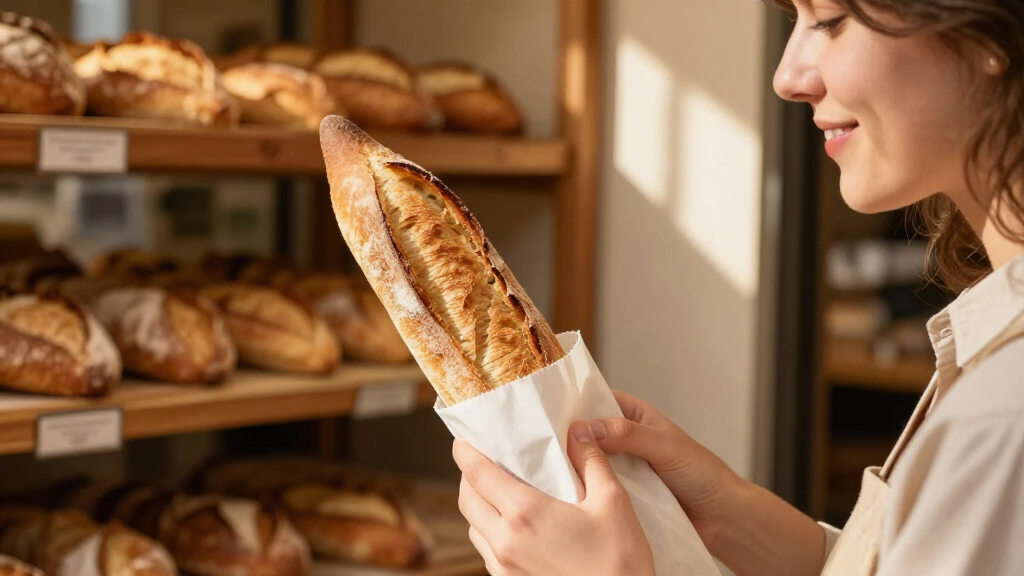
A recent trend indicates that knowing the correct way to request a baguette in France is becoming increasingly important for visitors. While the exact reason remains unconfirmed, this knowledge is now seen as essential for an authentic experience. The development is gaining attention among travelers and food enthusiasts.
Tourists and food enthusiasts are increasingly paying attention to a specific detail when ordering a baguette in France, as a rising trend highlights the importance of using the correct terminology. While the exact reason for this shift remains unconfirmed, experts suggest it reflects a broader interest in authentic local customs and respect for French culinary traditions.
Recent online searches and social media discussions reveal a spike in interest around the proper way to order a baguette in France. This trend appears to be driven by travelers seeking to enhance their cultural experience and avoid common misunderstandings at bakeries. According to some sources, the key is understanding the specific French phrase or etiquette used when requesting a baguette, which may differ from simply asking for ‘a baguette’ in English.
However, details about what exactly constitutes the ‘correct’ request or phrase remain unconfirmed. Food industry insiders and language experts have noted the trend but have not provided definitive guidance, and it is unclear whether this is a widespread practice or a niche curiosity among certain traveler groups.
Despite the lack of official confirmation, the attention to this detail underscores a broader movement towards respecting local customs and gaining more authentic travel experiences. Some social media users have shared tips, but these vary and lack authoritative backing. The trend continues to grow in popularity, especially among those eager to avoid faux pas and immerse themselves fully in French culinary culture.
Why Knowing the Proper Baguette Request Matters
This trend reflects a growing desire among travelers to engage more authentically with local customs, especially in France where food traditions are deeply valued. Understanding how to properly request a baguette can help visitors avoid misunderstandings, show respect for local etiquette, and enhance their overall experience. It also highlights the importance of language nuances in cultural exchanges, particularly in countries with strong culinary identities like France.
For bakery owners and local residents, this trend could influence customer interactions, encouraging visitors to adopt more authentic phrases. While the exact impact remains uncertain, the trend signals a shift towards more culturally aware tourism, which could have broader implications for how visitors approach local customs in France and beyond.
As an affiliate, we earn on qualifying purchases.
Background of the Baguette Ordering Trend in France
The French baguette is an iconic symbol of French culture, with strict regulations on its production and a long-standing tradition. Tourists often struggle with language barriers and local customs when ordering bread, leading to occasional misunderstandings. In recent years, there has been a rising interest in mastering local etiquette among travelers, driven by social media and travel influencers emphasizing authentic experiences.
This specific trend about requesting a baguette appears to have gained momentum in late 2023, possibly linked to broader movements advocating for cultural respect and linguistic accuracy in travel. While no official guidance exists, anecdotal reports and online chatter suggest that knowing the precise French phrase or gesture when ordering is increasingly seen as part of an authentic French experience.
It is important to note that this trend is still emerging, and the exact reasons for its rise are unconfirmed. Experts suggest that the interest may be fueled by a desire to avoid common mistakes or to demonstrate cultural sensitivity, but definitive details are lacking.
Unconfirmed Reasons Behind the Trend
It is not yet clear why this particular detail about ordering a baguette is gaining such attention. The exact phrase or etiquette that constitutes the ‘correct’ request remains unverified, and there is no official guidance from French authorities or culinary institutions. The trend could be driven by social media influence, a desire for cultural authenticity, or a combination of factors. Further research is needed to confirm the origins and scope of this phenomenon.
Potential Impact and Future Developments
As interest in this trend continues, experts expect more guidance or official tips to emerge, possibly from tourism boards or culinary authorities. Travel and language organizations may develop resources to help visitors learn the proper phrases for ordering bread and other local customs. Additionally, bakeries might start to notice increased requests for specific phrases, influencing customer service practices. The trend could also expand to include other aspects of French dining etiquette, further enriching the cultural experience for visitors.
Key Questions
What is the correct way to order a baguette in France?
There is no officially confirmed phrase, but many suggest that simply asking for ‘une baguette, s’il vous plaît’ (a baguette, please) is sufficient. The trend indicates that using the formal ‘s’il vous plaît’ and possibly specific regional phrases can enhance authenticity, though details remain unconfirmed.
Why is this trend gaining attention now?
Social media and travel influencers are emphasizing the importance of respecting local customs, leading tourists to seek out more authentic ways to interact with French culture, especially in traditional settings like bakeries.
Is this trend officially endorsed by French authorities?
No, there is no official guidance or endorsement. The trend appears to be a grassroots movement among travelers and social media users seeking cultural authenticity.
Will knowing the phrase improve my experience in France?
While not guaranteed, using the correct or culturally appropriate phrase can help avoid misunderstandings and demonstrate respect, potentially enriching your overall experience.
Could this trend influence how bakeries serve customers?
It is possible that bakeries might start to notice more requests for specific phrases and adapt their customer interactions accordingly, but this remains unconfirmed.
Source: rss
Halloween Picks
halloween
As an affiliate, we earn on qualifying purchases.