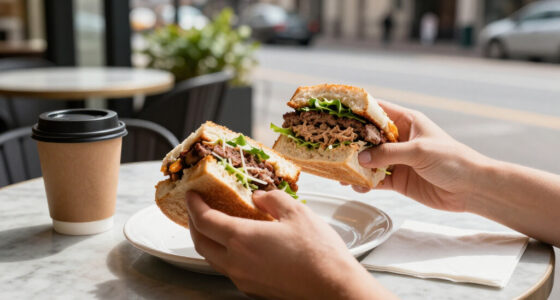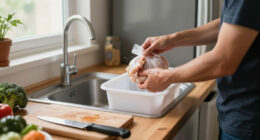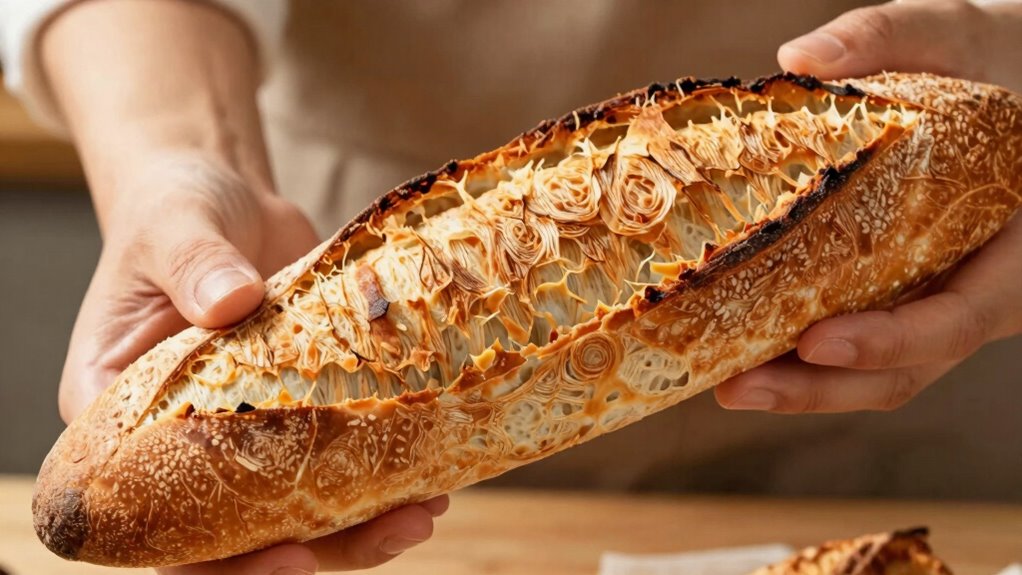

To preserve crispness, you need to control temperature, moisture, and airflow effectively. Use insulated containers or warming racks to keep foods warm without overheating, which can cause sogginess. Avoid wrapping foods tightly or sealing containers, as trapped steam adds moisture that softens textures. Instead, allow air circulation by using wire racks or perforated trays, and guarantee a dry environment. If you want to learn how to optimize these methods and keep your foods crispy longer, keep exploring these techniques.

Get baking supplies delivered free — and shop member deals
- Fast, free delivery on millions of items
- Access to Prime Big Deal Days deals on October 6–7
- Prime Video, Amazon Music and more included
Key Takeaways
- Maintaining steady, moderate temperatures prevents moisture migration and condensation that cause sogginess.
- Using perforated containers or wire racks allows moisture to escape and keeps foods dry.
- Proper airflow and ventilation reduce trapped steam and moisture buildup around the food.
- Avoiding tight wrapping or sealing prevents moisture trapping that softens crispy textures.
- Controlling humidity levels in the environment helps preserve the crispness of fried foods.
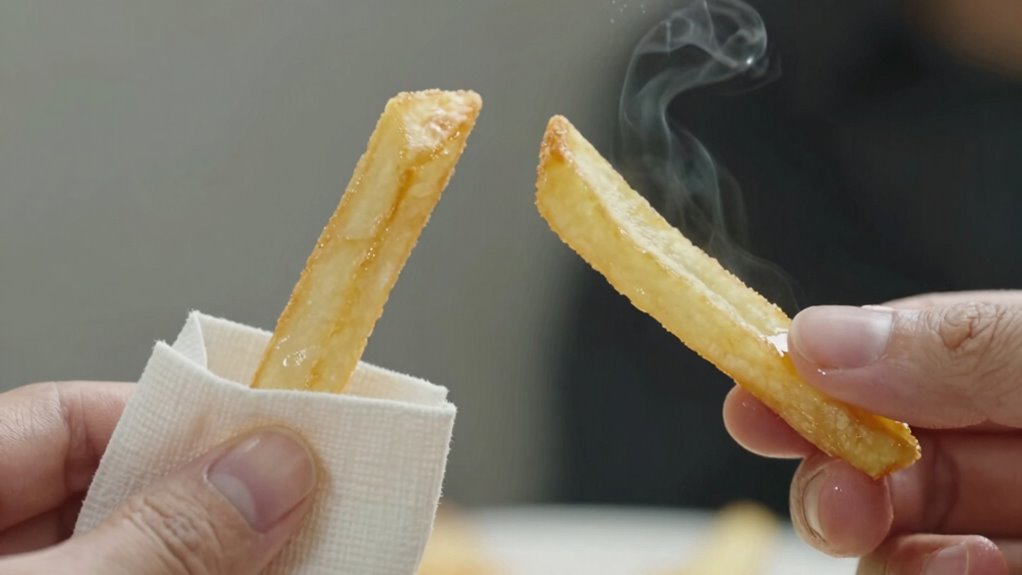
When food cools too quickly or is left at inconsistent temperatures, moisture can condense on the surface, turning once-crispy items soggy. Using holding methods that keep foods warm without excessive heat helps slow moisture migration. Insulated containers or warming racks designed to maintain a steady, moderate temperature prevent rapid cooling and condensation, thereby preserving that desirable crunch longer. Conversely, methods that allow foods to sit at room temperature or in damp environments encourage moisture buildup, which softens the exterior and diminishes crispness.
Moisture retention plays an equally critical role. When foods are exposed to humidity or moisture, they tend to lose their crispness quickly. Some holding techniques inadvertently trap moisture around the food, leading to sogginess. For instance, wrapping fried items tightly or storing them in sealed containers with high humidity can trap steam, softening the exterior. To combat this, effective holding methods incorporate airflow and moisture control. Using paper liners, wire racks, or perforated containers allows excess moisture to escape and air to circulate around the food. These approaches help keep the surface dry and crispy. Additionally, avoiding stacking or overcrowding prevents trapped moisture from accumulating and softening the items. Implementing proper airflow techniques enhances moisture evaporation, further helping to maintain crispness. Ensuring the environment remains dry and well-ventilated is also crucial for crispness preservation. The use of ventilation systems can further enhance airflow, helping to keep foods crispy for longer. The best holding methods strike a balance: they keep the temperature steady while allowing moisture to escape. For example, placing fried foods on a wire rack over a tray ensures air circulation, which helps with moisture evaporation and maintains crispness. Similarly, using heat lamps that emit gentle, consistent warmth can sustain temperature without creating condensation. It’s also helpful to consider humidity control measures to optimize storage conditions. Properly managing airflow and humidity levels can significantly extend the crispness of your foods. On the other hand, methods that involve wrapping or sealing foods tend to trap moisture and accelerate sogginess, undermining your goal of crispness preservation.
As an affiliate, we earn on qualifying purchases.
Frequently Asked Questions
How Does Humidity Affect Holding Method Effectiveness?
Humidity levels directly impact holding method effectiveness by influencing moisture control. When humidity is high, foods tend to absorb excess moisture, making them soggy and losing crispness. Conversely, low humidity helps preserve crispness by preventing moisture buildup. You should choose holding methods that regulate humidity, like using dehumidifiers or airtight containers, to maintain the desired texture, ensuring your food stays crisp and fresh longer.
Are There Specific Materials Better for Holding Crispness?
You’ll find that materials like metal or thick plastic outperform paper or thin films in preserving crispness. Their durability helps maintain structural integrity, preventing moisture ingress and extending shelf life. While paper may seem convenient, it often lacks the durability needed for long-term crispness. For ideal shelf life extension, choose materials that resist moisture and damage, ensuring your food stays crisp and fresh longer, even under varying humidity conditions.
Can Temperature Control Improve Preservation of Crispness?
Yes, temperature control can improve preservation of crispness. By maintaining temperature stability, you prevent moisture buildup that can make foods soggy. Consistent temperatures slow down moisture migration and keep the product dry and crunchy. Additionally, controlling moisture levels within storage areas helps avoid condensation, which can compromise crispness. So, by managing both temperature and moisture carefully, you can greatly extend the crispness of your food items.
How Do Holding Methods Impact Different Types of Snacks?
Ever wondered how holding methods impact different snacks? You’ll find that proper methods, like using airtight containers or moisture barriers, enhance flavor and preserve texture. For crunchy snacks, these techniques prevent sogginess, while for softer treats, they maintain freshness. Different snacks demand tailored approaches to maximize flavor enhancement and keep their ideal texture. By choosing the right method, you guarantee every bite stays delicious and satisfying, no matter the snack type.
What Role Does Packaging Ventilation Play in Crispness Retention?
Packaging ventilation plays a vital role in crispness retention by optimizing airflow efficiency and controlling packaging permeability. When airflow is well-managed, moisture escapes, preventing sogginess, while proper permeability allows just enough moisture exchange to keep snacks crisp. If airflow efficiency is too high or permeability too low, moisture buildup can occur, softening the snack. As a result, balanced ventilation ensures the snack remains fresh, crunchy, and satisfying.
Conclusion
Think of holding methods as your shield against the soggy fate of your favorite foods. Like a castle’s moat keeps water at bay, proper techniques create a barrier that preserves crispness. When you choose wisely—whether using parchment, vents, or specific storage—you’re wielding your own Excalibur, defending texture and crunch. With these methods, your foods stay regal and resilient, standing tall like a fortress amid the tide of moisture, ready to impress with every bite.
Fall Picks
fall essentials
As an affiliate, we earn on qualifying purchases.