
TL;DR

Get baking supplies delivered free with Prime
- Fast, free delivery on millions of items
- Prime Video, Amazon Music and more included
- Member-only deals all year
Sour food and beverage sales rose 10.8% in dollars across retail types in the 52 weeks ending Aug. 9, Circana data show. Convenience stores recorded more modest gains, and industry experts say new flavors, cross-category pairings and clearer merchandising could help them capture more demand.
Sour food and beverage sales grew across retail in the 52 weeks ending Aug. 9, but convenience stores captured smaller gains than the market overall, according to Circana data cited by Food Dive. The figures point to room for c-stores to build on demand through new flavors and pairings across candy, energy drinks and snacks.
Across retail types, sour food and beverage sales increased 10.8% in dollar terms and 6.9% by units over the period, Circana reported. In convenience stores, dollar sales rose 5.5% and unit sales increased 1.5%. Those figures show growth in c-stores, though at a slower rate than the broad retail measures. The report does not provide dollar totals or a longer historical comparison.
Nonchocolate candy accounted for about 64% of sour product dollar sales in c-stores, followed by energy drinks. Sour blue raspberry was the fastest-growing c-store flavor, rising 33% over the past year, according to Circana. Results vary by product: Sally Lyons Wyatt of Circana said some sour gummy items are declining, while newer options such as sour black cherry are performing well.
Retailers are already extending sour beyond packaged candy. 7-Eleven cited its Slurpee drinks and 7-Select Sour Neon Gummi Worms, while Wawa’s Shark Splash Lemonade uses tart cherry syrup that customers can also add to custom beverages, according to Datassential’s Emily Murawski. The examples show how familiar sour notes can be used across drinks and treats, though the source material does not provide sales figures for these individual products.
C-Stores Have Room to Grow
The gap between overall retail growth and c-store growth suggests that demand has not translated into equivalent gains at convenience retailers. Sour already has a strong position in candy, and energy drinks offer another established route. Pairing flavors across categories could give shoppers more ways to find sour products during quick shopping trips.
Lyons Wyatt said convenience stores can experiment across categories because they carry candy and beverages in a relatively small footprint. She recommended placing complementary products together, including candy and sour energy drinks at high-traffic points, and using simple signs to flag flavor profiles such as “sour” or “extreme.” These are merchandising suggestions from an industry analyst, not reported results from a controlled sales test.
For shoppers, the changes could mean more sour flavors in drinks, desserts and salty snacks alongside conventional candy. For retailers, the opportunity depends on choosing products that sell and making related items easy to find. The data show current category growth, but they do not establish how much any single new flavor or display can add to store sales.
Products Worth Considering

Cuisinart PerfecTemp Electric Kettle, 1.7 L, 1500 W, 6 Temperature Settings

Traeger Woodridge Pro Wood Pellet Grill and Smoker, 970 sq. in., WiFIRE
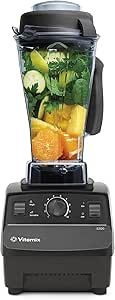
Vitamix 5200 Professional-Grade Blender, 64 oz. Container, Black
As an affiliate, we earn on qualifying purchases.
A Mature Flavor Keeps Changing
Sour is an established flavor category rather than a new arrival. 7-Eleven described consumer interest in sour candy as strong and linked it to shoppers seeking bold flavors and sensory variety. Lyons Wyatt called sour a “mature trend” with active areas of growth and reinvention, including expansion into energy drinks.
Industry suggestions focus on balancing familiar choices with experiments. Lyons Wyatt proposed keeping core options such as assorted sour fruit, watermelon and blue raspberry, while giving visibility to emerging flavors including black cherry and more intense sour profiles. A limited share of the assortment could test spicy-sour, chamoy, pickle, tropical and other cross-category products.
Murawski identified citrus and familiar drink-inspired flavors as possible fits for convenience-store desserts and nonalcoholic beverages. She pointed to margarita-style notes in items such as pies and cupcakes, and suggested translating those flavors into ice cream, shakes, cookies or donuts. Datassential’s Menucast places sour in the 85th percentile for predicted growth potential over the next four years; this is a forecast ranking, not a guarantee of sales growth.
““Consumer interest in sour candy continues to be strong, driven by shoppers who are seeking bolder flavor experiences, sensory excitement and products that deliver an element of surprise.””
— 7-Eleven Inc.
Which New Flavors Will Sell
The sales figures do not show which products drove the c-store gains, how performance varied by chain, or whether the increases reflect higher prices, more units, or a mix of both. Circana reported category and flavor growth rates, but the source does not give the underlying sales totals or the comparison baseline for the 33% rise in sour blue raspberry beyond describing it as growth over the past year.
It is also unclear whether suggested flavors such as spicy-sour, pickle or margarita-inspired desserts will become durable sellers. The projected growth ranking from Datassential is a forecast, and no specific timetable for retailer launches or merchandising changes was provided.
Retailers Test Pairings and Formats
Convenience retailers can use the proposed assortment approach to maintain recognizable sour products while testing emerging flavors and limited editions. The next signs to watch are whether sour options continue to spread across energy drinks, salty snacks and desserts, and whether stores make those connections visible through placement and signage.
Datassential’s forecast points to potential growth over the next four years, while the current Circana figures offer a snapshot through Aug. 9. Future sales data will show whether c-stores narrow the growth gap with retail overall and which flavors gain lasting traction.
Key Questions
How much did sour sales grow?
Across retail types, sour food and beverage sales rose 10.8% in dollars and 6.9% by units in the 52 weeks ending Aug. 9, according to Circana. In convenience stores, dollar sales increased 5.5% and units rose 1.5%.
Which sour flavor is growing fastest in convenience stores?
Sour blue raspberry was the fastest-growing c-store flavor, with Circana data showing a 33% increase over the past year. The source does not give the flavor’s underlying sales total.
What products account for most sour sales in c-stores?
Nonchocolate candy represents about 64% of sour product dollar sales in convenience stores, followed by energy drinks, according to the report.
What could retailers do to expand sour offerings?
Experts suggest testing emerging flavors and cross-category pairings, such as sour candy with energy drinks, and using visible placement or signage to connect related products. These are recommendations; the source does not quantify their sales effect.
Source: rss