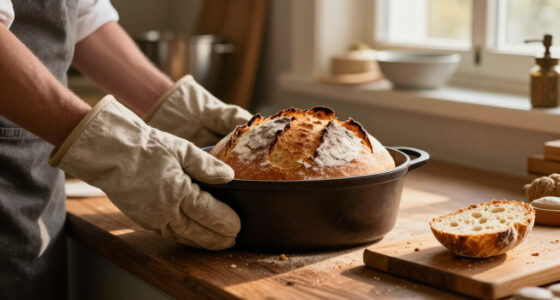
Homemade desserts can be as simple as fruit topped with whipped cream or as ambitious as a layered celebration cake, a churned frozen custard, or a crisp Belgian waffle crowned with ice cream. The best place to begin is not with a long shopping list, but with an understanding of how ingredients, temperature, texture, and timing work together. Once those fundamentals are clear, it becomes easier to choose recipes, troubleshoot mistakes, and decide which equipment deserves space in your kitchen.

Get baking supplies delivered free with Prime
- Fast, free delivery on millions of items
- Prime Video, Amazon Music and more included
- Member-only deals all year
This guide is an orientation to the world of ice cream, desserts, and baking. Use it to find the right starting point for your interests, whether you want to master frozen treats, improve your baking, build impressive plated desserts, accommodate different dietary needs, or serve sweets efficiently to family, friends, and customers.
Start With the Four Foundations of Dessert Making
Most desserts depend on four interconnected elements: sweetness, fat, structure, and temperature. Sugar does more than sweeten. It can help baked goods retain moisture, affect browning, and influence the softness of frozen desserts. Fat from butter, cream, egg yolks, oil, nuts, or chocolate contributes flavor and changes how a dessert feels in the mouth. Structure comes from ingredients such as flour, eggs, starch, gelatin, and whipped cream. Temperature controls whether those ingredients melt, set, rise, freeze, or remain tender.
You do not need to study food science before baking a batch of cookies. Still, thinking in terms of these foundations makes troubleshooting more useful. A dry cake may have too much flour, insufficient fat or liquid, or simply too much time in the oven. Rock-hard ice cream may contain too much free water or have been stored at an unsuitable temperature. A limp waffle may need a hotter cooking surface, a different batter balance, or a brief rest on a rack instead of a plate.
Build habits that improve nearly every recipe
- Read the complete recipe before measuring or heating anything.
- Use the stated ingredient temperature when it matters, especially for butter, eggs, cream, and chocolate.
- Measure carefully; weighing dry ingredients is particularly helpful in baking.
- Preheat ovens and cooking appliances fully.
- Allow adequate time for cooling, chilling, freezing, or setting.
- Change one variable at a time when troubleshooting.
As an affiliate, we earn on qualifying purchases.
Choose Your Dessert Path
The dessert world is broad, so it helps to follow one path long enough to develop transferable skills. Cakes teach mixing and doneness. Cookies reveal how fat, sugar, and temperature affect spread. Pies introduce pastry handling and moisture control. Custards teach gentle heat. Ice cream demonstrates the importance of chilling and freezing. Waffles and pancakes offer quick lessons in batter consistency, leavening, and surface temperature.
Beginners often gain confidence from forgiving desserts such as crisps, crumbles, brownies, loaf cakes, no-bake cheesecakes, and simple frozen pops. More technical projects—including laminated pastry, macarons, spun sugar, and multi-component entremets—become less intimidating after the basic motions of measuring, folding, whipping, baking, and cooling feel familiar.
For quick, warm desserts
Waffles are an accessible foundation because they can move from everyday breakfast to full dessert with changes in toppings and presentation. Fruit, sauces, toasted nuts, whipped cream, and ice cream all provide contrasting textures. The appliance determines the waffle’s size and shape, so compare options according to the result you want. A guide to Belgian waffle makers for crisp waffles is useful when deep pockets and a substantial base suit your preferred style. For single portions, limited storage, or playful shapes, explore these compact mini waffle makers.
Small baked desserts can also work well in kitchens without room for a full collection of appliances. Tartlets, cookies, baked fruit, individual cakes, and reheated pastries may fit naturally into a countertop setup. If space is a priority, consult this selection of compact toaster ovens for small kitchens and compare capacity, controls, and footprint against the foods you actually plan to make.
For cold and frozen desserts
Ice cream is only one branch of frozen dessert making. Sorbet generally centers fruit, water, and sugar, while granita develops coarse crystals through periodic scraping. Frozen yogurt offers its own balance of dairy flavor, acidity, and sweetness. Semifreddo relies on aeration and a rich base to stay sliceable, and ice pops can be built from juice, purée, yogurt, or layered mixtures.
Smooth frozen desserts begin with a well-integrated base. A blender can help with fruit purées, milkshake mixtures, sauces, and some no-churn preparations. Glass jars appeal to cooks who prefer that jar material and want to see the mixture clearly; this guide to blenders with glass jars provides a focused place to compare available choices.
Whatever method you use, chill a prepared base thoroughly before freezing when the recipe calls for it. Store finished ice cream in a well-sealed container to limit exposure to air and odors. A shallow container can make scooping easier and may help a fresh batch freeze more evenly than the same mixture held in a very deep vessel. When serving, allow an especially firm container a short period at room temperature rather than forcing a scoop through it.
Understand the Main Baking Methods
Creaming, whipping, folding, and rubbing in
Recipes often specify a mixing method because the method helps create the intended structure. Creaming butter and sugar incorporates air and distributes sugar through softened fat. Whipping eggs or cream traps air that can lighten mousses, cakes, and frozen desserts. Folding combines an airy mixture with a heavier one while preserving as much volume as practical. Rubbing or cutting fat into flour leaves small pieces of fat that contribute to the texture of biscuits, scones, crumbles, and pastry.
More mixing is not automatically better. Bread dough may benefit from substantial gluten development, while cake and muffin batters can become tough when mixed aggressively after flour is added. Follow visual cues as well as clock time: “pale and fluffy,” “soft peaks,” and “just combined” describe conditions that may arrive at different moments depending on the ingredients, bowl, tool, and room temperature.
Managing oven heat
An oven’s displayed temperature may not tell the whole story. Rack position, pan color, pan material, crowding, and repeated door opening can change how a dessert bakes. Use the rack position specified in the recipe, leave room for air to circulate, and begin checking near the early end of the stated range. Look for the recipe’s doneness cues, such as set edges, spring-back, browning, or a particular appearance on a tester.
Countertop appliances broaden the possibilities for small batches. Air fryers can handle selected baked or crisped desserts when a suitable recipe accounts for their compact, circulating heat. For shoppers who prioritize a particular cooking-cavity material, this overview of air fryers with stainless-steel interiors can help narrow the field. Always follow the appliance manufacturer’s guidance on cookware, liners, clearance, and safe operation.
Build Better Flavor and Texture
Memorable desserts rarely rely on sweetness alone. Salt can sharpen other flavors. Acid from citrus, cultured dairy, or tart fruit can provide contrast. Bitterness from cocoa, coffee, caramel, or toasted ingredients can add depth. Aromatics such as vanilla, cinnamon, cardamom, ginger, and citrus zest create character without necessarily adding more sugar.
Texture provides another layer of contrast. Pair creamy ice cream with a crisp wafer, warm cake with a cold topping, smooth mousse with toasted nuts, or a soft waffle with fresh fruit and a crunchy garnish. Limit a plated dessert to components that serve a purpose. One main element, one sauce or fruit component, and one contrasting texture are often enough to create a coherent plate.
Sauces, syrups, and toppings
A small repertoire of toppings can transform basic recipes. Fruit compote adds moisture and acidity; chocolate sauce brings richness; caramel contributes sweetness and cooked flavor; whipped cream adds lightness; and chopped nuts or crumbs supply crunch. Pancake and waffle syrups vary in ingredients and sweetness profile. Readers specifically comparing options intended around a lower glycemic-index preference can start with this guide to low-GI pancake syrups, while checking labels and personal dietary requirements before choosing.
Water also plays a quiet but important role in beverages, ice, syrups, doughs, and frozen desserts. If taste, odor, or local water quality is prompting you to consider filtration, review these kitchen water-filtration systems. Choose any system according to the issues identified in your water and the maintenance the system requires; filtration needs are not identical from one household to another.
Plan for Dietary Needs Without Losing the Dessert’s Identity
Substitutions work best when you identify an ingredient’s function before replacing it. Eggs may provide structure, emulsification, moisture, or lift. Flour may create structure as well as bulk. Dairy can contribute water, fat, protein, acidity, and flavor. A one-for-one swap may succeed in one recipe and fail in another because the original ingredient was performing a different job.
For gluten-free baking, established recipes are usually a better starting point than improvising with a single alternative flour. For dairy-free desserts, consider whether the recipe needs richness, neutral flavor, whipping ability, or acidity before choosing a substitute. For reduced-sugar baking, remember that removing sugar can alter moisture, spread, browning, volume, and freezing behavior as well as sweetness.
Allergen management requires more than changing the recipe. Read every label, account for toppings and decorations, clean surfaces and tools, and prevent cross-contact. When serving other people, communicate ingredients clearly rather than making assumptions about what a dietary label means to them.
Organize a Practical Dessert Kitchen
A useful kitchen is built around repeatable tasks. Start with dependable measuring tools, mixing bowls, a whisk, a flexible spatula, baking sheets, cooling racks, and the pans needed for your favorite recipes. Add specialized tools only when a recurring need justifies them. A waffle maker is valuable for someone who prepares waffles regularly; an elaborate decorating set may not be useful to a baker who prefers rustic fruit desserts.
Group ingredients by use and label containers clearly. Keep leaveners and spices dated, protect chocolate and nuts from heat, and rotate frozen items so older batches are easy to find. Before beginning a multi-component dessert, write a short production order. Items that must freeze, chill, set, or cool should usually come before quick garnishes and final assembly.
Scale From Home Treats to Dessert Service
Serving a crowd introduces logistical questions that do not arise with a single family dessert. Choose items that can be prepared in stages, transported safely, portioned consistently, and finished without last-minute congestion. Keep hot and cold components under appropriate temperature control, and provide clear allergen information. A beautiful menu is only useful if it can be executed within the available time, storage, equipment, and staffing.
Anyone selling desserts must also consider local food-business rules, permits, taxes, labeling, payment handling, and recordkeeping. Requirements vary by location, so consult the relevant authorities and qualified professionals. For in-person sales where card acceptance is part of the plan, this comparison of mobile credit-card readers can help you begin evaluating payment hardware alongside transaction terms, compatibility, connectivity, and business needs.
Create Your Own Learning Roadmap
A focused progression produces more useful experience than jumping randomly between difficult recipes. Begin with one reliable base recipe, make it more than once, and record what changed. Learn one sauce, one fruit preparation, and one crunchy element that can accompany it. Then practice serving the components together while managing temperature and timing.
- Start with cookies, brownies, fruit crisps, pancakes, or waffles.
- Move to loaf cakes, simple layer cakes, pastry crusts, and baked custards.
- Explore ice creams, sorbets, mousses, and chilled cheesecakes.
- Practice sauces, garnishes, piping, and deliberate texture contrasts.
- Attempt advanced pastries or multi-component desserts after the core methods feel natural.
The goal is not to own every appliance or master every dessert category. It is to understand the ingredients and methods well enough to make informed choices. With careful measurement, patient temperature control, thoughtful flavor balance, and equipment selected for the way you cook, you can build a dessert repertoire that ranges from an easy weeknight treat to an impressive celebration centerpiece.
Fall Picks
fall essentials
As an affiliate, we earn on qualifying purchases.