
The Nebraska Star Beef Prestige Perfect Quarter is my best overall pick among the best beef cuts because its varied selection covers more meals and cooking methods than any single-cut option here. For a premium steak dinner, PETRUSCO Japanese A5 Wagyu Ribeye Steaks offer rich marbling in two manageable portions, while Beef Stew Meat, Boneless, USDA Choice is the stronger value choice for practical batch cooking. The main tradeoffs are versatility versus specialization, everyday affordability versus luxury marbling, and raw beef versus ready-to-eat convenience. Package size also matters because bulk assortments require freezer space, while deli meat and snacks prioritize speed over culinary flexibility. Keep reading for the full breakdown of which option fits each buyer and meal.
Listen free for 30 days with Audible
Thousands of audiobooks and originals — cancel anytime.
Start your free trialAs an affiliate, we earn on qualifying purchases.
Complete the kit


Key Takeaways
- Nebraska Star Beef Prestige Perfect Quarter leads the roundup because a varied assortment provides far more cooking flexibility than a single steak, brisket, stew pack, or deli product.
- Beef Stew Meat, Boneless, USDA Choice offers the clearest value for family meals, while the organic Verde Farms option and no-antibiotics-ever Just Bare option charge more for sourcing preferences.
- PETRUSCO A5 Wagyu Ribeyes are the more practical premium purchase because the two 8-ounce steaks simplify portioning; the 16-ounce Kagoshima Reserve ribeye suits sharing or a larger centerpiece.
- Among the sliced choices, Applegate Organic Roast Beef is the sourcing-focused pick, while Oscar Mayer and Hillshire Farm offer larger 7-ounce packages for routine lunches.
- The snack products solve a different need from raw cuts: Jack Link’s individually packed steaks favor portion control, while Guinness Steak Cuts provide larger shareable bags.




More Details on Our Top Picks
Beef Stew Meat, Boneless, USDA Choice
I rank Beef Stew Meat, Boneless, USDA Choice as the strongest weeknight option because its pre-cut boneless cubes remove trimming and portioning from dinner prep. The Choice grade offers a useful balance of tenderness, beefy flavor, and accessibility. Compared with Verde Farms Organic Grass-Fed Beef Stew Meat, this pick places more emphasis on grade and flexible pack size than farming credentials.
The freezer-ready, leak-proof casing also suits buyers who stock up for later meals. Its main weakness is the 0.5-to-1.65-pound weight range: one package may feed two people, while another may cover a small family. I would choose Verde Farms for a fixed one-pound portion or organic sourcing, but this USDA Choice option makes more sense when convenience and richer slow-cooked texture lead the decision.
Pros:- Pre-cut boneless cubes reduce trimming and preparation time
- USDA Choice grade balances flavor and tenderness
- Leak-proof casing reduces mess during storage
- Freezer-ready packaging supports advance meal planning
Cons:- Wide weight range makes serving and recipe planning less predictable
- No organic or grass-fed designation
- Cube size and source cut are not specified
Best for: Busy home cooks who want USDA Choice beef already cubed for stews, braises, or slow-cooker meals
Not ideal for: Meal planners who require an exact package weight, since the portion can range from 0.5 to 1.65 pounds
- Cut Type:Boneless stew meat
- Meat Type:Beef
- Grade:USDA Choice
- Weight Range:0.5–1.65 lb
- Preparation:Pre-cut into cubes
- Packaging:Leak-proof casing
- Freezer Ready:Yes
Our verdict“This is my pick for cooks who prioritize fast preparation and USDA Choice quality over fixed portions or organic sourcing.”
Oscar Mayer Deli Fresh Slow Roasted Roast Beef Deli Lunch Meat, 7 oz Package
I place Oscar Mayer Deli Fresh Slow Roasted Roast Beef in the value-minded deli slot because its seven-ounce pack and 96% fat-free profile suit routine sandwiches, salads, and shared lunch platters. Compared with the five-ounce Applegate Organic Roast Beef package, it supplies more ready-to-eat meat per pack and may stretch across more lunches.
That practicality comes with a clear compromise. The beef contains up to 20% flavoring solution and caramel color, while Applegate relies on organic grass-fed beef, salt, and pepper. Buyers focused on a shorter ingredient list should favor Applegate; buyers watching fat content or serving several people may prefer Oscar Mayer. I see the slow-roasted, classic flavor as approachable rather than luxurious, so it cannot compete with PETRUSCO A5 Wagyu for richness or steakhouse texture.
Pros:- Seven-ounce package offers more meat than the five-ounce Applegate option
- 96% fat-free formulation suits buyers seeking lean deli meat
- Fully sliced format works across sandwiches, salads, and platters
- No artificial preservatives
Cons:- Contains up to 20% flavoring solution
- Includes caramel color
- Prepared deli texture cannot replace a whole roast or freshly cooked beef cut
Best for: Budget-aware households seeking lean, ready-to-eat roast beef for several sandwiches or lunch portions
Not ideal for: Ingredient-focused shoppers avoiding flavoring solutions or caramel color in prepared deli meat
- Product Type:Sliced roast beef deli meat
- Weight:7 oz
- Cooking Style:Slow roasted
- Fat Content:96% fat-free
- Flavoring Solution:Up to 20%
- Artificial Preservatives:None
- Coloring:Contains caramel color
- Serving Format:Ready-to-eat slices
Our verdict“I recommend this for lean, economical lunches, while clean-label buyers should spend more on Applegate.”
PETRUSCO Japanese A5 Wagyu Ribeye Steaks – 2 x 8 oz
PETRUSCO Japanese A5 Wagyu Ribeye Steaks take my premium position because A5 grading and dense ribeye marbling create a richer, softer eating experience than any stew or deli option here. Compared with Beef Stew Meat, Boneless, USDA Choice, these Kagoshima steaks are meant for brief, precise cooking and small portions rather than long braising or family-sized meals.
The package contains two individually portioned eight-ounce steaks, making it well suited to an occasion dinner for two. Yet the same abundant fat that produces a buttery texture can feel overly rich, and careless high-heat cooking may waste an expensive cut. The specialized sourcing also carries a steep price and limited quantity. I would choose the USDA Choice stew meat for versatility and value; PETRUSCO earns its place when luxury, provenance, and marbling matter more than cost or everyday practicality.
Pros:- Japanese A5 grade delivers exceptional marbling and tenderness
- Kagoshima origin gives buyers clear regional provenance
- Two eight-ounce steaks provide defined portions for a dinner for two
- Ribeye cut offers a rich, buttery, savory profile
Cons:- Premium pricing limits its appeal as an everyday purchase
- High fat richness may overwhelm diners who prefer lean beef
- Requires careful handling and precise cooking to protect its texture and value
Best for: Experienced home cooks planning a luxury dinner for two and comfortable cooking highly marbled Wagyu in controlled portions
Not ideal for: Budget shoppers, large households, or diners who prefer lean steaks and generous low-cost portions
- Cut:Ribeye steak
- Beef Grade:Japanese A5
- Package Quantity:2 steaks
- Weight per Steak:8 oz
- Total Weight:16 oz
- Cattle Origin:Kagoshima, Japan
- Raising Method:Pasture raised
- Processing:16-step, low-temperature process
Our verdict“This is my luxury choice for two diners who value authentic A5 marbling enough to accept the price and careful preparation.”
Verde Farms Organic Grass-Fed Beef Stew Meat, 1 lb
I give Verde Farms Organic Grass-Fed Beef Stew Meat the organic stew role because it combines certified organic, grass-fed sourcing with pre-cut convenience. Compared with Beef Stew Meat, Boneless, USDA Choice, its fixed one-pound package simplifies recipe planning, while regenerative-farm sourcing speaks more directly to buyers who care about production methods.
This is also the leaner choice, which can deliver a cleaner beef flavor but may need patient, moist cooking to become tender. The USDA Choice option is likely better for cooks who favor richer texture or want a larger possible pack. Verde Farms arrives fresh rather than previously frozen, yet that benefit leaves less scheduling flexibility unless I freeze it at home. The single one-pound size also means larger families may need several packs. I rank it above conventional stew meat for sourcing, but below it for portion flexibility and likely richness.
Pros:- Organic and grass-fed sourcing suits ingredient-conscious buyers
- Regenerative-farm origin supports a production-focused buying choice
- Pre-cut pieces reduce preparation work
- Fixed one-pound package makes recipes easier to plan
Cons:- One-pound size may be insufficient for larger families
- Leaner grass-fed beef can be less forgiving if rushed during cooking
- Fresh format offers less built-in storage flexibility than freezer-ready packaging
Best for: Organic-focused couples or small families making slow-cooked meals with traceable grass-fed beef
Not ideal for: Large households or cooks seeking fattier stew meat, since the lean one-pound pack may require multiple purchases and longer careful braising
- Cut Type:Beef stew meat
- Weight:1 lb
- Organic:Yes
- Grass-Fed:Yes
- Farm Practice:Regenerative farming
- Preparation:Pre-cut
- Freshness:Fresh, never frozen
- Recommended Cooking:Slow cooking
Our verdict“I favor this for small-batch stews when organic and regenerative sourcing outweigh richer marbling or package-size flexibility.”
Applegate Organic Roast Beef Sliced, 5oz
Applegate Organic Roast Beef Sliced is my clean-label deli choice because its organic grass-fed beef, salt, and pepper formulation is simpler than Oscar Mayer Deli Fresh Slow Roasted Roast Beef, which contains up to 20% flavoring solution and caramel color. It is also fully cooked, so buyers gain the same sandwich-and-wrap convenience without chemical nitrites or nitrates.
The tradeoff is quantity: the five-ounce package provides two ounces less than Oscar Mayer’s pack and may disappear after only a few lunches. Salt and pepper are already added, limiting control for sodium-sensitive diners or anyone wanting unseasoned beef. Applegate’s humane-raising claims and Non-GMO Project verification add sourcing appeal, but this remains processed sliced meat rather than a ribeye or stew cut. I would pay the likely premium for ingredient standards, while value-focused families should choose the larger Oscar Mayer package.
Pros:- Made from organic grass-fed beef with a short ingredient list
- Contains no antibiotics, added hormones, or chemical nitrites and nitrates
- Fully cooked slices require no preparation
- Non-GMO Project Verified and sourced under humane animal-treatment standards
Cons:- Five-ounce package offers fewer servings than the seven-ounce Oscar Mayer option
- Added salt and pepper may not fit low-sodium or unseasoned diets
- Organic sourcing may carry a higher cost per ounce
Best for: Clean-label shoppers who want ready-to-eat organic roast beef for a few sandwiches, salads, or wraps
Not ideal for: Large families and sodium-sensitive buyers who need bigger packages or full control over seasoning
- Product Type:Sliced roast beef
- Weight:5 oz
- Beef Source:Organic, grass-fed beef
- Ingredients:Organic grass-fed beef, salt, pepper
- Preparation:Fully cooked
- Certification:Non-GMO Project Verified
- Animal Welfare:Humanely raised
- Antibiotics and Hormones:No antibiotics or added hormones
- Chemical Nitrites or Nitrates:None
Our verdict“I recommend Applegate for shoppers willing to trade package size and likely value for organic sourcing and fewer added ingredients.”
I chose Jack Link’s Premium Cuts Beef Steak for buyers who want dependable portion control rather than a shareable bag. Each 1-ounce steak supplies 11 grams of protein with only 1 gram of carbohydrates, and the 12 individually sized servings fit easily into work bags, lunch boxes, or hiking packs without refrigeration. Compared with Guinness Steak Cuts, the original seasoning is more familiar and the smaller packs are easier to ration, but Guinness offers a more distinctive whole-muscle flavor. This Jack Link’s option also ranks below fresh or deli cuts for meal versatility: it is primarily a snack, not useful sandwich meat or a cut for cooking. I would also watch the sodium, while buyers sensitive to assertive spices may find the smoky seasoning less flexible than plain roast beef.
Pros:- Each 1-ounce serving provides 11 grams of protein
- Individual portions are easy to pack and ration
- Shelf-stable format requires no refrigeration before opening
- Made from lean beef and slow smoked for a concentrated savory flavor
Cons:- Likely carries the high sodium load common to seasoned beef snacks
- Added spices may be too assertive for sensitive palates
- Small portions offer less flexibility than a resealable multi-serving bag
Best for: Commuters, hikers, and lunch packers who want individually portioned, shelf-stable protein
Not ideal for: Low-sodium shoppers or buyers seeking fresh beef that can serve as a meal centerpiece
- Package format:Individually portioned beef steaks
- Serving size:1 oz
- Package count:12
- Protein per serving:11g
- Carbohydrates per serving:1g
- Beef type:Lean beef
- Preparation:Seasoned and slow smoked
- Storage:No refrigeration required before opening
Our verdict“I recommend this pack for buyers who value portable portions more than low sodium or cooking versatility.”
Dietz & Watson London Broil Thin Sliced Roast Beef, 6 Oz
I placed Dietz & Watson London Broil here for shoppers who prefer a traditional roast beef profile and slices that layer neatly without extra preparation. Its thin cut and resealable 6-ounce package make it practical for sandwiches and quick meals while limiting the commitment of a large family pack. Compared with Hillshire Farm Ultra Thin Sliced Roast Beef, however, the available product information says far less about ingredients, preservatives, and freshness measures. Hillshire Farm is the clearer choice for label-focused shoppers, while Dietz & Watson makes more sense when London broil style is the priority. I would not select this for anyone needing transparent nutrition data, and its narrow deli-meat role cannot match the cooking range of Nebraska Star Beef Prestige Perfect Quarter. The smaller pack also disappears quickly in a multi-person household.
Pros:- Thin slices stack easily in sandwiches
- London broil style offers a classic roast beef profile
- Resealable packaging supports convenient short-term storage
- Six-ounce size suits smaller households
Cons:- No nutritional information is supplied in the provided data
- Ingredient and preservative details are not disclosed
- Six ounces may be insufficient for families or meal preparation
Best for: One- or two-person households building traditional roast beef sandwiches and quick lunches
Not ideal for: Nutrition-focused shoppers who need disclosed sodium, protein, and ingredient details before buying
- Product type:Roast beef deli meat
- Cut style:London broil
- Net weight:6 oz
- Slice thickness:Thin sliced
- Preparation:Pre-sliced
- Package closure:Resealable
- Suggested uses:Sandwiches and quick meals
Our verdict“I would pick this for classic sandwich construction, but label-focused buyers have better-documented choices.”
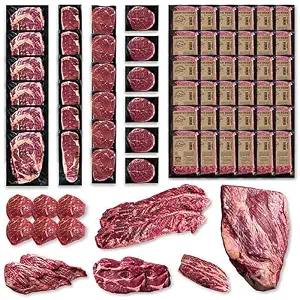
Nebraska Star Beef Prestige Perfect Quarter (Various Cuts)
I ranked Nebraska Star Beef Prestige Perfect Quarter as the strongest choice for buyers stocking a freezer with cuts for many cooking styles. The assortment spans ribeyes, filet mignons, strips, roasts, brisket, tri-tip, patties, hot dogs, and 30 pounds of 80/20 ground beef, giving frequent cooks far more range than the single Nebraska Star Beef Prestige Brisket Flat. It also offers everyday portions alongside special-occasion steaks, which helps justify buying in bulk. That breadth carries the lineup’s largest commitment: small households may struggle to use the volume, while the package demands ample freezer space and careful inventory planning. It is also a poor match for shoppers seeking only one prized cut, such as PETRUSCO Japanese A5 Wagyu Ribeye Steaks. For high-volume homes, though, variety is the defining advantage.
Pros:- Broad selection covers grilling, roasting, smoking, and everyday cooking
- Includes both premium steaks and practical ground beef
- Angus beef assortment supports meals for varied occasions
- Bulk quantity can reduce repeated meat-shopping trips
Cons:- Large volume requires substantial freezer space
- Assortment may include more ground beef than some households want
- High upfront commitment is poorly suited to uncertain preferences
Best for: Large families, frequent grillers, and bulk buyers with substantial freezer capacity
Not ideal for: Apartment dwellers, small households, or steak specialists who lack storage or want one exact cut
- Ribeye steaks:6 × 14 oz
- NY strip steaks:6 × 12 oz
- Filet mignon:6 × 8 oz
- Sirloin steaks:6 × 10 oz
- Flat iron steaks:6 × 6 oz
- Tri-tip:1, approximately 2–3 lb
- Brisket:1, approximately 5–6 lb
- Ground beef patties:8 × 1/3 lb
- Ground beef:30 lb, 80/20 blend
Our verdict“I recommend this package to freezer-ready households that will use its breadth, not buyers chasing one special steak.”
Hillshire Farm Ultra Thin Sliced Roast Beef Deli Meat, 7 oz
I chose Hillshire Farm Ultra Thin Sliced Roast Beef for sandwich buyers who want clearer ingredient claims without moving to a smaller organic package. The slow-cooked, oven-roasted beef contains no artificial flavors, artificial preservatives, or nitrates, while double sealing helps protect freshness before opening. Compared with Dietz & Watson London Broil, Hillshire Farm provides more useful label detail and an extra ounce, making it the easier choice for ingredient-conscious meal planning. Applegate Organic Roast Beef Sliced remains better suited to shoppers who require organic sourcing, though its 5-ounce pack gives less meat. Hillshire Farm’s ultra-thin slices are convenient in wraps but can tear, bunch, or feel less substantial than thicker roast beef. I would also treat possible sodium content as a concern because no sodium figure is supplied, and the 7-ounce format is still modest for family lunches.
Pros:- Contains no artificial flavors or artificial preservatives
- Made without nitrates
- Ultra-thin slices distribute easily across sandwiches and wraps
- Double-sealed package helps maintain freshness before opening
Cons:- Seven-ounce package may cover only a few family servings
- Ultra-thin slices can tear and provide less bite than thicker cuts
- No sodium value is supplied despite deli meat often being sodium-heavy
Best for: Sandwich and wrap makers who want convenient deli beef without artificial flavors, preservatives, or nitrates
Not ideal for: Organic-only shoppers, large families, or buyers who prefer thick, steak-like roast beef slices
- Product type:Roast beef deli meat
- Net weight:7 oz
- Slice style:Ultra thin
- Cooking method:Slow cooked and oven roasted
- Artificial flavors:None
- Artificial preservatives:None
- Nitrates:None
- Package sealing:Double sealed for freshness
- Suggested uses:Sandwiches and wraps
Our verdict“I favor this for label-aware sandwich makers who want convenience but do not require organic certification.”
Guinness Steak Cuts, Original Flavor, 3 Pack (2.5 Ounce Bags)
I gave Guinness Steak Cuts the gourmet-snack role because whole-muscle eye-of-round and a Guinness 0.0 marinade offer more character than a standard original jerky profile. Roasted vegetables and spices push the flavor toward pot roast, while the three 2.5-ounce bags provide larger snacking portions than Jack Link’s 1-ounce beef steaks. Jack Link’s remains better for strict portion control and familiar smoky seasoning; Guinness suits buyers willing to trade simplicity for a more layered savory taste. The clean formulation, with no artificial additives or nitrates stated, strengthens its appeal, but the beer-branded marinade may deter buyers who avoid such flavor associations even though Guinness 0.0 is used. I also find the single original flavor restrictive, and each bag may be too large for light snackers yet too small to share. Its distinctive seasoning narrows its audience.
Pros:- Uses whole-muscle eye-of-round steak
- Guinness 0.0 marinade creates a distinctive roasted flavor
- Contains no stated artificial additives or nitrates
- Three separate bags help preserve unopened portions
Cons:- Only one flavor is included
- Beer-branded marinade and pot-roast seasoning have narrower appeal
- Two-and-a-half-ounce bags may be awkwardly sized for light snacking or sharing
Best for: Adult snackers seeking a whole-muscle beef snack with a rich, pot-roast-style flavor
Not ideal for: Light snackers and buyers who dislike beer-branded marinades or roasted vegetable seasoning
- Package quantity:3 bags
- Bag size:2.5 oz
- Total net weight:7.5 oz
- Flavor:Original
- Beef cut:Whole-muscle eye-of-round steak
- Marinade:Guinness 0.0
- Seasoning profile:Roasted vegetables and spices
- Artificial additives and nitrates:None stated
- Country of manufacture:USA
Our verdict“I recommend this to adventurous snackers who value layered flavor over simple seasoning and precise portions.”
Nebraska Star Beef Prestige Brisket Flat
Nebraska Star Beef Prestige Brisket Flat earns its place as my best cut for smoking because its roughly 5.5-pound size offers enough mass for a long cook without committing buyers to a full packer brisket. The marbling helps the flat retain flavor and tenderness, while its uniform shape makes slicing easier after a proper rest. Compared with the Nebraska Star Beef Prestige Perfect Quarter, this is a far more focused purchase: barbecue cooks get the cut they want, but none of the variety offered by a mixed box. That narrow purpose is also its main drawback. Brisket demands patient, temperature-controlled cooking, and the package provides no instructions for less experienced pitmasters. Weight can vary slightly, while buyers seeking rich point meat or burnt ends should choose a whole brisket instead.
Pros:- Well-marbled flat supports richer flavor and better moisture retention
- Approximately 5.5-pound size is manageable for home smokers
- Uniform flat shape produces tidy slices for serving
- Arrives as a focused barbecue cut without unwanted extras
Cons:- Flat-only format excludes the fattier point used for burnt ends
- Long cooking window demands careful heat and moisture management
- No cooking instructions are supplied, and exact weight may vary
Best for: Barbecue enthusiasts with a smoker or grill who want a manageable brisket flat for a small gathering
Not ideal for: Beginners wanting a quick-cooking cut or burnt-end fans who need the fattier brisket point
- Brand:Nebraska Star Beef
- Product Line:Prestige
- Cut:Brisket flat
- Approximate Weight:5.5 lbs
- Marbling:Well marbled
- Suggested Cooking Methods:Smoking and grilling
Our verdict“This is my pick for home pitmasters who want a manageable, well-marbled brisket flat and already know how to handle a long smoke.”
Just Bare Angus Beef Stew Meat, USDA Choice, No Antibiotics Ever
Just Bare Angus Beef Stew Meat is my best weeknight stew pick because the boneless, ready-to-cook pieces remove trimming and portioning from the prep work. USDA Choice Angus beef provides a practical balance of flavor and cost for chili, stew, or other slow-cooked dishes. Against Verde Farms Organic Grass-Fed Beef Stew Meat, Just Bare better suits shoppers who prioritize Angus beef and a flexible 0.75-to-2-pound package range; Verde Farms remains the clearer match for buyers specifically seeking organic, grass-fed sourcing. This is also less versatile than an intact roast because the cut size has already been decided. Smaller packages may leave families or batch cooks short, and the lack of cooking guidance puts browning and simmer timing on the buyer. It also cannot match the steakhouse texture of the Japanese Wagyu ribeye.
Pros:- Boneless pieces reduce trimming and portioning work
- USDA Choice Angus beef balances flavor with everyday utility
- Suitable for stews, chili, and other slow-cooked dishes
- Raised in the USA without antibiotics or added hormones
Cons:- Variable 0.75-to-2-pound quantity complicates precise meal planning
- Pre-cut format offers less control over piece size than a whole roast
- No cooking instructions are included
Best for: Busy couples or small households making chili, braises, or compact batches of beef stew
Not ideal for: Large families and meal preppers who need a consistent bulk quantity in one package
- Beef Type:Angus
- USDA Grade:Choice
- Cut Format:Boneless stew meat
- Weight Range:0.75–2 lbs
- Origin:USA
- Natural:Yes
- Antibiotics:None
- Added Hormones:None
Our verdict“This makes the most sense for smaller households seeking convenient Angus beef for slow-cooked meals without paying for steak-level marbling.”
Japanese Wagyu Steak A5 Grade – 16oz Ribeye, Skin-Packed, From Kagoshima Reserve
Japanese Wagyu A5 Ribeye from Kagoshima Reserve takes my best luxury steak role because its A5 grade, Japanese Black Kuroge breed, and abundant marbling place richness ahead of everyday practicality. The 16-ounce ribeye can serve as a centerpiece or be divided into smaller portions, which often suits Wagyu’s intense character better than a conventional full-steak serving. Compared with PETRUSCO Japanese A5 Wagyu Ribeye Steaks, which supplies two 8-ounce steaks, this single larger cut gives cooks more freedom over slicing and presentation but less built-in portion control. Flash freezing and skin packing protect the steak during transit, though buyers must thaw and cook it carefully to preserve its texture. The premium price is hard to justify for routine dinners, and anyone who prefers lean, beef-forward steak may find the high fat content overly rich.
Pros:- Authentic A5 Japanese Wagyu sourced from Kagoshima
- Japanese Black Kuroge beef delivers exceptionally dense marbling
- Single 16-ounce ribeye allows flexible slicing and presentation
- Skin-packed and flash frozen to protect quality during shipping
Cons:- Premium pricing makes it impractical for regular meals
- Intense fat content can overwhelm diners who prefer leaner steak
- Careful thawing, portioning, and cooking are needed to avoid waste
Best for: Experienced steak cooks planning a special meal who value authentic Japanese A5 marbling and flexible slicing
Not ideal for: Budget shoppers, lean-steak fans, or novice cooks uncomfortable managing a highly marbled ribeye
- Cut:Ribeye
- Weight:16 oz
- Grade:A5
- Origin:Kagoshima, Japan
- Breed:Japanese Black Kuroge
- Product Line:Kagoshima Reserve
- Packaging:Skin-packed
- Preservation:Flash frozen
Our verdict“I would choose this for a special-occasion Wagyu centerpiece, provided the cook can handle its richness and premium price.”
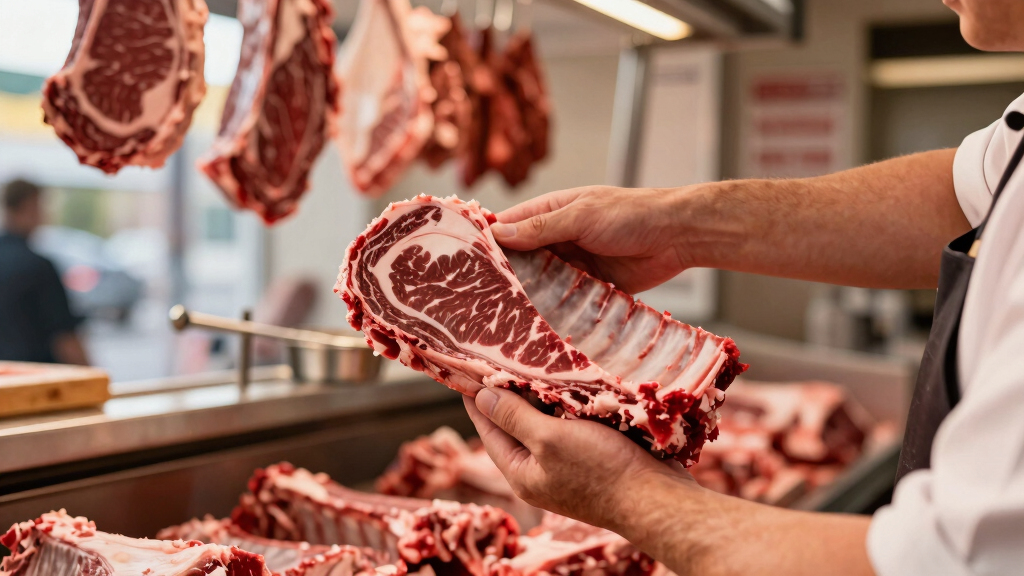
How We Picked
I ranked these products by how well they answer the broad search for the best beef cuts, giving the most weight to meat quality, meal versatility, portion practicality, and value. Raw products capable of becoming several types of meals ranked ahead of highly specialized deli and snack options. Within each format, I compared grade or sourcing claims, package configuration, preparation demands, storage needs, and the number of realistic servings a buyer receives.
The order also reflects how much compromise each choice requires. Nebraska Star Beef Prestige Perfect Quarter takes the top position for range, while USDA Choice stew meat rises on affordability and forgiving preparation. A5 Wagyu earns premium placement for marbling and occasion appeal, but its cost and richness keep it from being the default recommendation. Deli meats and shelf-stable snacks rank by convenience and portion format, not by their ability to replace fresh steak or braising cuts.
Factors to Consider When Choosing Best Beef Cuts
I would choose a beef cut by starting with the meal, cooking method, and number of servings rather than chasing the most expensive grade. The right option for slow cooking can be disappointing on a grill, while a richly marbled steak may be wasteful in a stew. These factors help separate useful upgrades from costs that may not improve the meal.
Match the Cut to the Cooking Method
Tender steaks and firm braising cuts succeed under very different conditions. Ribeye benefits from fast, high-heat cooking because its internal fat melts quickly and supports a juicy texture. Stew meat and brisket need lower heat and more time so connective tissue can soften. A common mistake is paying steak prices for meat destined for a long braise, where a less tender cut can produce a better result. I would choose ribeye for searing, brisket for slicing after slow cooking, and stew meat for saucy one-pot meals. Buyers without a planned cooking method gain more from an assortment than from one specialized cut.
Decide How Much Marbling You Actually Want
Marbling affects richness, tenderness, and price, but more is not always better for every diner. A5 Wagyu is intensely fatty and is usually served in smaller portions than a standard American steak. USDA Choice offers a more familiar balance for larger servings and frequent meals. Buyers expecting to eat a thick A5 ribeye like an ordinary steak may find it overly rich. I would reserve highly marbled Wagyu for special meals and choose Choice-grade beef when portion size and repeat value matter more. Leaner grass-fed beef may appeal to buyers who favor a firmer bite and less fat.
Compare Usable Servings, Not Package Price
A lower shelf price can hide poor value when the package supplies only one small meal. I compare cost per usable serving, accounting for whether the beef is a main course, sandwich filling, snack, or part of a stew. Two 8-ounce steaks are easier to divide between diners than one 16-ounce steak, even when total weight matches. Bulk beef can lower the cost of individual meals, but only if the household will cook every included cut. Deli packages may fit several lunches, while snack bags can disappear in one sitting. My preferred value choice is the product whose portion format matches the household without leftovers or unused freezer stock.
Choose Sourcing Claims That Match Your Priorities
Organic, grass-fed, and no-antibiotics-ever labels describe different production choices and should not be treated as interchangeable quality grades. Organic certification addresses defined farming practices, while grass-fed describes the animal’s diet and can produce a leaner flavor profile. A no-antibiotics-ever claim may matter to some buyers without making the product organic. None of these labels automatically guarantees greater tenderness, since cut selection and cooking still shape the result. I would pay the premium when the specific sourcing claim matches a personal priority, not as a shortcut for predicting taste. Buyers focused mainly on tenderness should examine cut, grade, and marbling first.
Account for Storage and Preparation
Bulk assortments require planning because they occupy freezer space and may contain cuts with unfamiliar cooking needs. A quarter-beef package suits households that cook often, label portions, and rotate through frozen stock. Smaller steak or stew packs cost more per purchase but reduce storage pressure and menu commitment. Deli meat offers immediate convenience yet has a shorter window after opening, while individually wrapped snacks are easier to keep on hand. I would avoid a large assortment when freezer capacity or cooking time is limited. In that case, smaller purpose-specific packages create less waste and make meal planning simpler.
Know When Convenience Changes the Category
Deli roast beef and beef snacks are ready to eat, but they do not serve the same buyer as raw steaks or braising cuts. Their higher processing level buys speed, portability, and predictable portions rather than control over seasoning and doneness. Thin deli slices suit sandwiches, whereas dense snack pieces fit travel, work bags, or quick protein portions. Sodium and added flavorings may also play a larger role than they do in plain raw beef, so label comparison matters. I would choose these formats when preparation time is the main constraint. For a cooked dinner centerpiece, fresh or frozen raw beef offers more control over flavor, texture, and serving size.
Frequently Asked Questions
Should I Buy One Premium Steak or a Variety Pack of Beef Cuts?
I would buy one premium steak for a planned occasion and a variety pack for repeated meals. A ribeye offers a focused steakhouse-style experience, but it cannot cover stews, roasts, and weeknight recipes. An assorted package spreads the purchase across several cooking methods and can offer better household value. The tradeoff is that every included cut needs suitable preparation and freezer space. Buyers who cook infrequently will usually get more satisfaction from a smaller, targeted purchase.
Is Japanese A5 Wagyu Worth Paying More for Than USDA Choice Beef?
A5 Wagyu is worth the premium when rich marbling and a special-occasion serving are the main goals. Its texture and fat level differ sharply from USDA Choice, so the extra cost buys a distinct eating style rather than a simple quality increase. Choice beef is better suited to larger portions, frequent dinners, and familiar steak preparation. A5 can feel too rich when served in the same quantity as a conventional ribeye. I would pick Choice for everyday value and Wagyu for a smaller, deliberately indulgent course.
Which Beef Option Is Easiest for a Beginner Cook?
Stew meat is the most forgiving starting point because slow, moist cooking leaves a wider margin for timing errors than pan-searing an expensive steak. Pre-cut pieces also remove the need to portion a large roast. The cook still needs enough time for connective tissue to soften, since stopping early can leave the beef chewy. A slow cooker or covered pot keeps the process manageable. I would choose Just Bare Angus Beef Stew Meat for beginners who value its sourcing claim, or standard USDA Choice stew meat when price matters more.
Are Organic and Grass-Fed Beef Always More Tender?
Organic and grass-fed labels do not guarantee tenderness. Tenderness depends heavily on the muscle, marbling, aging, thickness, and cooking method. Grass-fed beef is often leaner, which can make overcooking more noticeable than it is with a heavily marbled cut. Organic certification describes production practices rather than a tenderness grade. I would choose these products for sourcing preferences and flavor profile, then cook them according to the specific cut.
When Does Deli Roast Beef Make More Sense Than Buying a Raw Cut?
Deli roast beef makes sense for immediate meals when slicing, cooking, and cleanup would outweigh the benefit of a raw cut. It works well for sandwiches, wraps, and measured lunch portions. A raw roast provides more control over doneness, seasoning, slice thickness, and total yield, but it requires time and equipment. Buyers should compare package size, serving count, and sodium rather than judging deli options only by price. I would select Applegate Organic Roast Beef for an organic preference and a 7-ounce Oscar Mayer or Hillshire Farm package when routine lunch volume matters more.
Conclusion
For the broadest range of meals, my best overall choice is Nebraska Star Beef Prestige Perfect Quarter; it makes the most sense for households with freezer space and the confidence to cook several cuts. Beef Stew Meat, Boneless, USDA Choice is my best value recommendation because it turns an affordable, practical format into multiple hearty servings. Premium buyers should choose PETRUSCO Japanese A5 Wagyu Ribeye Steaks for two convenient portions, while the 16-ounce Kagoshima Reserve ribeye is better for sharing a single centerpiece. Beginners are better served by Just Bare Angus Beef Stew Meat, since slow cooking is more forgiving than searing luxury steak. For specific needs, I would pick Nebraska Star’s brisket flat for barbecue, Applegate for organic deli slices, Jack Link’s for individually packed snacks, and Verde Farms for organic grass-fed stew meat. The final choice comes down to whether the buyer needs versatility, low cost, premium marbling, easy preparation, or ready-to-eat convenience.
Flea & tick season Picks
flea and tick prevention
As an affiliate, we earn on qualifying purchases.