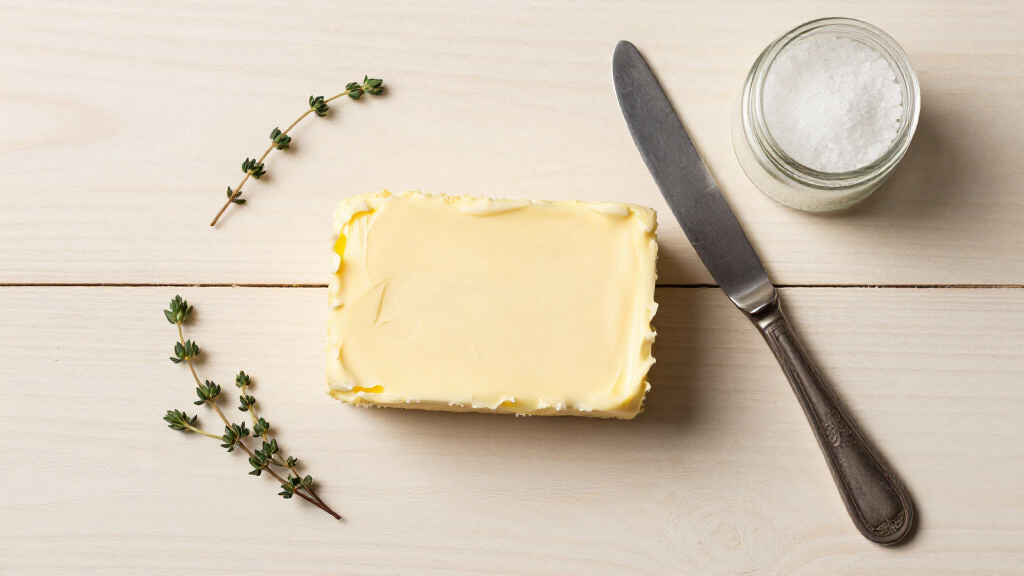

For most kitchens, I’d choose Rodolphe le Meunier Beurre de Baratte as the best French butter for its churned style and versatility, while Isigny salted butter is a dependable fit for savory spreading and Isigny lactic butter is tailored to pastry work. The main choice is between salted and unsalted butter, then between a general table butter and a specialty format for baking. AOP labeling, churned texture, salt crystals, and package size can all shape how well a butter suits a recipe. My ranking weighs those differences against practical use and the tradeoffs each option brings. Read on for the full breakdown and help matching a butter to your kitchen.

Get baking supplies delivered free with Prime
- Fast, free delivery on millions of items
- Prime Video, Amazon Music and more included
- Member-only deals all year
Complete the kit


Key Takeaways
- Rodolphe le Meunier Beurre de Baratte leads as the most flexible pick in this lineup; its plain baratte style suits more uses than a pastry-specific block or a strongly salted butter.
- Isigny salted butter appears in several package and naming variations, so check the exact format and quantity before buying; the names alone do not signal a major difference in use.
- Isigny lactic butter is the focused choice for puff pastry and croissants, but its large format makes less sense for someone who mainly wants butter for the table.
- Unsalted Isigny AOP butter gives cooks more control over seasoning and recipe balance, while coarse sea salt butter prioritizes a distinct salty bite for spreading.
- Paysan Breton and Président offer approachable everyday formats, while the Beurdell can and Isigny pack of six suit buyers with specific storage or stocking needs.
| Rodolphe le Meunier Beurre De Baratte |  | Best Artisanal Pick | Product name: Beurre De Baratte | Brand: Rodolphe le Meunier | Production method: Traditional churning | VIEW LATEST PRICE | See Our Full Breakdown |
| Isigny Salted Butter – 8.8 oz (250 g) |  | Best for Normandy Provenance | Weight: 8.8 oz (250 g) | Origin: Normandy, France | Certification: AOC | VIEW LATEST PRICE | See Our Full Breakdown |
| French Isigny Salted Butter – 2 pcs (8.8 oz each) | | Best for Cooking and Spreading | Package quantity: 2 pieces | Weight per piece: 8.8 oz | Butter type: Salted | VIEW LATEST PRICE | See Our Full Breakdown |
| Rodolphe Le Meunier Salted Butter (Beurre de Baratte Salé) |  | Best Gourmet Salted Pick | Brand: Rodolphe Le Meunier | Product name: Beurre de Baratte Salé | Butter type: Salted | VIEW LATEST PRICE | See Our Full Breakdown |
| Isigny Ste Mere Butter, Churned Salted, 8.8 oz |  | Best Everyday French Bar | Brand: Isigny Ste Mere | Weight: 8.8 oz | Butter type: Salted | VIEW LATEST PRICE | See Our Full Breakdown |
| Isigny French Normandy Unsalted Butter Basket – 8.8 oz / 250 g (Pack of 6) |  | Best for Stocking the Freezer | Brand: Isigny | Type: Unsalted butter | Origin: Isigny, France | VIEW LATEST PRICE | See Our Full Breakdown |
| Beurre D’Isigny AOP French Unsalted Butter – 8.8 Ounce |  | Best Single-Pack Baking Pick | Origin: Isigny, France | Type: Unsalted cow’s milk butter | Weight: 8.8 oz | VIEW LATEST PRICE | See Our Full Breakdown |
| Isigny Ste Mere Lactic Butter for Puff Pastry and Croissants, 2.2 lbs |  | Best for Large-Batch Pastry | Brand: Isigny Ste Mere | Origin: Normandy, France | Weight: 2.2 lbs / 35.2 oz | VIEW LATEST PRICE | See Our Full Breakdown |
| Beurre d’Isigny French AOP Unsalted Butter |  | Best for High-Butterfat Baking | Type: Unsalted butter | Origin: Isigny, France | Certification: AOP / Protected Designation of Origin | VIEW LATEST PRICE | See Our Full Breakdown |
| Isigny Ste Mère Churned Salted Butter – 8.8 oz |  | Best for Everyday Spreading | Brand: Isigny Ste Mère | Weight: 8.8 oz | Type: Salted butter | VIEW LATEST PRICE | See Our Full Breakdown |
| Paysan Breton French Butter, Salted, 8.8 oz |  | Best Everyday French Butter | Weight: 8.8 oz | Type: Salted butter | Origin: France | VIEW LATEST PRICE | See Our Full Breakdown |
| Beurdell French Salted Butter 8.8 oz Can |  | Best for a Sealed Pantry Format | Brand: Beurdell | Origin: France | Weight: 8.8 oz | VIEW LATEST PRICE | See Our Full Breakdown |
| Beurre D’Isigny French AOP Butter with Coarse Sea Salt |  | Best for Distinctive Flavor | Origin: Isigny, Normandy, France | Certification: AOP (Appellation d’Origine Protégée) | Salt type: Coarse sea salt (Tamise de Guerand) | VIEW LATEST PRICE | See Our Full Breakdown |
| Président Salted Butter Bar, 7 oz |  | Best for a Compact Butter Bar | Brand: Président | Weight: 7 oz | Type: Salted butter | VIEW LATEST PRICE | See Our Full Breakdown |
| French butter | Brand | Origin | Weight | Type |
|---|---|---|---|---|
| Rodolphe le Meunier Beurre De | Rodolphe le Meunier | — | — | — |
| Isigny Salted Butter | — | Normandy, France | 8.8 oz (250 g) | — |
| French Isigny Salted Butter | — | Normandy, France | — | — |
| Rodolphe Le Meunier Salted But | Rodolphe Le Meunier | — | — | — |
| Isigny Ste Mere Butter | Isigny Ste Mere | — | 8.8 oz | — |
| Isigny French Normandy Unsalte | Isigny | Isigny, France | — | Unsalted butter |
| Beurre D’Isigny AOP French Uns | — | Isigny, France | 8.8 oz | Unsalted cow’s milk butter |
| Isigny Ste Mere Lactic Butter | Isigny Ste Mere | Normandy, France | 2.2 lbs / 35.2 oz | — |
| Beurre d’Isigny French AOP Uns | — | Isigny, France | — | Unsalted butter |
| Isigny Ste Mère Churned Salted | Isigny Ste Mère | — | 8.8 oz | Salted butter |
| Paysan Breton French Butter | Paysan Breton | France | 8.8 oz | Salted butter |
| Beurdell French Salted Butter | Beurdell | France | 8.8 oz | Salted butter |
| Beurre D’Isigny French AOP But | — | Isigny, Normandy, France | — | Salted butter |
| Président Salted Butter Bar | Président | — | 7 oz | Salted butter |
More Details on Our Top Picks
Rodolphe le Meunier Beurre De Baratte
Traditional baratte churning and a creamy texture give this butter its place as the roundup’s artisanal choice. Its rich flavor suits spreading on bread or adding depth to cooking, where a more distinctive butter can matter. Compared with Isigny Salted Butter – 8.8 oz (250 g), it has less documented detail about origin, salt, and handling, so buyers who want a clearly specified Normandy butter may prefer Isigny. The tradeoff here is practical: the listing describes a handcrafted product but gives no weight, salt level, or storage information, and notes limited availability and a higher price. I’d choose it for its stated craft and flavor, while checking the seller’s current product details before ordering.
Pros:- Traditional churning method
- Rich flavor suited to spreading and cooking
- Creamy texture
- Handcrafted artisanal positioning
Cons:- Limited availability
- Higher price point
- Product details do not specify weight, salt level, or origin
Best for: Butter enthusiasts seeking a traditionally churned, artisanal option for bread and cooking
Not ideal for: Buyers who need a specified package size, salt level, or clearly documented origin before ordering
- Product name:Beurre De Baratte
- Brand:Rodolphe le Meunier
- Production method:Traditional churning
- Texture:Creamy
- Flavor:Rich
- Suggested uses:Cooking and spreading
Our verdict“Choose this for a craft-focused butter with rich flavor and creamy texture if the limited product details work for you.”
Isigny Salted Butter – 8.8 oz (250 g)
AOC-protected Normandy origin is the clearest reason to pick this bar: the listing links its character to local pasture and describes subtle hazelnut notes with a smooth, elastic texture. That makes it especially appealing for spreading, where the butter’s flavor and flexibility are easy to notice. Compared with French Isigny Salted Butter – 2 pcs (8.8 oz each), this listing gives a specific refrigerated shelf life of about two months, but provides only one 250 g bar. Its main drawback is logistics: it is perishable and calls for quick, refrigerated shipping, so it is less convenient to keep on hand than a pantry staple. I’d favor it when origin and a distinct Normandy profile matter more than stocking a larger quantity.
Pros:- AOC-protected Normandy origin
- Subtle hazelnut notes
- Smooth, elastic texture suited to spreading
- Specific 250 g package size
Cons:- Perishable and requires quick shipping
- Refrigerated shelf life is about two months
- Single bar offers less quantity than the two-piece Isigny option
Best for: Buyers who want a single salted Normandy butter bar with a protected origin and distinctive pasture-linked flavor
Not ideal for: Shoppers seeking a long-lasting pantry item or a larger multi-piece supply
- Weight:8.8 oz (250 g)
- Origin:Normandy, France
- Certification:AOC
- Butter type:Salted
- Packaging:Bar
- Refrigerated shelf life:About 2 months
- Texture:Smooth, elastic
Our verdict“Pick this single Normandy bar when provenance and hazelnut-like flavor matter more than easy storage or a larger supply.”
French Isigny Salted Butter – 2 pcs (8.8 oz each)
Two 8.8 oz pieces make this Isigny option a practical pick for cooks who want salted butter available for both everyday spreading and richer dishes. The listing describes high butterfat, a silky texture, and fine sea-salt crystals, which can bring a fuller mouthfeel to sauces and sautéed foods. Compared with the single-bar Isigny Salted Butter – 8.8 oz (250 g), this pack provides more butter at once, while sharing the Normandy origin and salted profile. Salt is the key tradeoff: it may limit control in baking or recipes written for unsalted butter. I’d choose this when versatility across savory cooking and the table matters, but not for a baker who wants precise control over salt.
Pros:- Two individually sized pieces
- Silky, spreadable texture
- Fine sea-salt crystals add seasoning without an overpowering profile
- High butterfat and AOP certification are specified
Cons:- Salted butter can complicate recipes requiring unsalted butter
- Each piece is only 8.8 oz
- The listing does not provide a shelf-life detail
Best for: Home cooks who use salted butter for both spreading and savory dishes and want two separate bars
Not ideal for: Bakers who need unsalted butter for precise recipe salt control
- Package quantity:2 pieces
- Weight per piece:8.8 oz
- Butter type:Salted
- Origin:Normandy, France
- Certification:AOP
- Texture:Silky and spreadable
- Salt:Fine sea-salt crystals
- Butterfat:High butterfat content
Our verdict“Choose this two-piece Isigny pack for a versatile salted butter supply, provided your recipes do not depend on unsalted butter.”
Rodolphe Le Meunier Salted Butter (Beurre de Baratte Salé)
Salted baratte butter gives this Rodolphe Le Meunier entry a distinct place for cooks looking for a gourmet ingredient with traditional churning behind it. The listing describes a rich flavor and creamy texture, a combination suited to finishing dishes or spreading where the butter itself is prominent. Compared with Isigny Ste Mere Butter, Churned Salted, 8.8 oz, this product has less package and product detail: no weight, origin, or salt intensity is provided. That makes the Isigny listing easier to assess for quantity, while this one leans on the specialty brand and method. Limited details and a potentially higher price are real drawbacks, so I’d reserve it for buyers who value the stated craft and can confirm the product specifics before purchase.
Pros:- Traditional baratte churning method
- Salted profile suited to ready-to-use seasoning
- Rich flavor and creamy texture are described
- Specialty dairy brand positioning
Cons:- Weight and origin are not provided
- Limited product details make comparison difficult
- Specialty item may carry a higher price
Best for: Gourmet cooks seeking a traditionally churned salted butter for finishing dishes and serving with bread
Not ideal for: Shoppers who need a known package weight, origin, or detailed nutrition and storage information
- Brand:Rodolphe Le Meunier
- Product name:Beurre de Baratte Salé
- Butter type:Salted
- Production method:Beurre de Baratte
- Texture:Creamy
- Flavor:Rich
Our verdict“Consider this for gourmet use if traditional churning is your priority and you can verify the missing package details.”
Isigny Ste Mere Butter, Churned Salted, 8.8 oz
Churned and lightly salted, this Isigny Ste Mere bar is an approachable choice for buyers who want French butter for a mix of cooking, baking, and spreading. Its 8.8 oz package gives a clear household-size reference, unlike the Rodolphe Le Meunier salted baratte listing, which provides no weight. The description emphasizes a rich, creamy flavor, though it offers fewer specifics about origin, certification, and texture than the AOP-certified French Isigny Salted Butter – 2 pcs (8.8 oz each). That makes this a simpler everyday option, but leaves less information for shoppers comparing provenance. Salt also narrows its role in baking recipes that call for unsalted butter. I’d choose it for general kitchen use when a modest, clearly sized bar is more useful than detailed origin credentials.
Pros:- Churned butter with a rich, creamy flavor
- Lightly salted for a balanced ready-to-use profile
- 8.8 oz size is specified
- Described for cooking, baking, and spreading
Cons:- Salted profile is less suitable for recipes requiring unsalted butter
- Origin and certification are not specified in the provided product details
- Limited product information makes provenance comparison harder
Best for: Households wanting a single, specified-size salted French butter for regular spreading and cooking
Not ideal for: Buyers prioritizing AOP documentation or bakers whose recipes require unsalted butter
- Brand:Isigny Ste Mere
- Weight:8.8 oz
- Butter type:Salted
- Production:Churned
- Salt level:Lightly salted
- Flavor:Rich and creamy
- Suggested uses:Cooking, baking, and spreading
Our verdict“Choose this for a clearly sized, lightly salted everyday French butter bar when detailed certification is not your main priority.”
Isigny French Normandy Unsalted Butter Basket – 8.8 oz / 250 g (Pack of 6)
Six AOP-certified portions make this the practical choice for cooks who use French butter regularly and want a supply on hand. Its hazelnut notes and creamy, elastic texture suit pastry and sauces, while the unsalted style gives bakers control over seasoning. Compared with the single 8.8-ounce Beurre D’Isigny AOP, this pack offers more butter for repeated recipes, though it asks for more storage space and a larger initial commitment. The six-pack also makes less sense for occasional use, since butter’s delicate character is best enjoyed while fresh. Choose it for a household that bakes often; skip it if you mainly want a small amount of butter for toast or need salt already blended in.
Pros:- AOP certification identifies protected Isigny origin
- Six 250 g units suit repeated baking and cooking
- Hazelnut notes add character to pastries and sauces
- Unsalted butter lets bakers control recipe seasoning
Cons:- Six units require substantial refrigerator or freezer space
- Unsalted flavor may need seasoning for table use
- A larger pack is a poor fit for occasional butter users
Best for: Frequent home bakers who want several portions of AOP Isigny butter available for pastry, sauces, and cooking
Not ideal for: Occasional users with limited freezer space or cooks who prefer salted butter for spreading
- Brand:Isigny
- Type:Unsalted butter
- Origin:Isigny, France
- Weight per unit:8.8 oz / 250 g
- Pack size:6
- Certification:AOP
- Dietary:Grass-fed
Our verdict“Choose this six-pack if you regularly bake and want AOP Isigny butter in reserve; occasional users are better served by the single 8.8-ounce Beurre D’Isigny.”
Beurre D’Isigny AOP French Unsalted Butter – 8.8 Ounce
One 8.8-ounce portion gives a home baker a manageable way to bring AOP Isigny butter into a recipe without committing to the six-pack. The product description highlights slow maturation, hazelnut flavor, and an elastic texture, qualities suited to doughs where butter character matters. Compared with the larger Isigny French Normandy pack, this is easier to store and buy for a specific baking project, but it provides less flexibility for repeated batches. Its unsalted profile is useful when a recipe calls for precise seasoning; for toast, the salted Isigny Ste Mère Churned Butter is the more convenient choice. This pick is focused and traditional, though its imported positioning may make it less appealing as an everyday all-purpose staple.
Pros:- AOP certification ties it to protected Isigny origin
- Single 8.8-ounce pack is manageable for a recipe or small household
- Elastic texture is suited to pastry work
- Unsalted format gives control over seasoning
Cons:- One portion may not cover repeated baking sessions
- Unsalted butter may need added seasoning at the table
- Premium imported positioning may not suit routine everyday use
Best for: Home bakers trying AOP Isigny butter for a specific batch of croissants, pastry, or sauce
Not ideal for: Frequent bakers who need several portions on hand or anyone seeking ready-to-spread salted butter
- Origin:Isigny, France
- Type:Unsalted cow’s milk butter
- Weight:8.8 oz
- Pack size:1
- Certification:AOP
- Nutrient detail:High in Vitamin A
Our verdict“Pick this single pack to try AOP Isigny in a baking project, while regular bakers will get more flexibility from the six-pack.”
Isigny Ste Mere Lactic Butter for Puff Pastry and Croissants, 2.2 lbs
Its 2.2-pound format and 82% butterfat make this the specialist choice for bakers preparing multiple batches of puff pastry or croissants. The product is made with fresh cream, lactic ferments, and salt, and is described as formulated for flaky pastry. That focus gives it a clearer job than the smaller Beurre D’Isigny AOP, which is a more versatile unsalted option for general baking and sauces. Here, the larger quantity is useful when a recipe calls for substantial butter, but it takes storage space and may be excessive for casual bakers. The listed ingredients include salt, so it is not a direct substitute for unsalted butter when precise seasoning matters. Choose it for pastry production, not as a general table butter.
Pros:- 82% butterfat is specified for pastry use
- Large 2.2-pound quantity supports repeated or batch baking
- Fresh cream and lactic ferments are listed ingredients
- Normandy origin provides a distinctly French butter option
Cons:- Large block can be inconvenient to store and portion
- Contains salt, which may require recipe adjustments
- Pastry-focused format is less suited to casual table use
Best for: Dedicated home bakers making large batches of croissants or puff pastry
Not ideal for: Occasional bakers, small kitchens, or cooks needing unsalted butter for precise recipes
- Brand:Isigny Ste Mere
- Origin:Normandy, France
- Weight:2.2 lbs / 35.2 oz
- Butterfat content:82%
- Ingredients:Fresh cream, lactic ferments, salt
- Intended use:Puff pastry and croissants
Our verdict“Choose this large-format butter for repeated pastry projects; for smaller general baking needs, the single Beurre D’Isigny AOP is easier to manage.”
Beurre d’Isigny French AOP Unsalted Butter
High butterfat content and AOP Isigny origin are the defining reasons to choose this unsalted butter. Its golden color and distinctive milky notes give pastry a richer character, while the no-additives description will appeal to buyers seeking a traditionally made option. Compared with the 82% Isigny Ste Mere Lactic Butter, this product does not state an exact butterfat percentage or a pastry-specific formulation, so buyers get less technical guidance for laminated dough. It is the more flexible-sounding choice for baking where buttery flavor matters, but the listing gives no weight or pack size, making it harder to plan a recipe purchase. Its premium positioning also means it is best reserved for dishes where the butter itself is part of the result.
Pros:- AOP certification identifies protected Isigny origin
- High butterfat is described as suited to baking
- Golden color and milky notes distinguish its flavor profile
- No additives or alterations are stated in the product description
Cons:- Exact butterfat percentage is not provided
- Package weight and quantity are not listed
- Unsalted format may need seasoning for spreading or cooking
Best for: Bakers prioritizing AOP origin and rich butter flavor in pastries and other recipes
Not ideal for: Buyers who need an exact butterfat percentage, package weight, or salted butter
- Type:Unsalted butter
- Origin:Isigny, France
- Certification:AOP / Protected Designation of Origin
- Butterfat content:High; exact percentage not specified
- Color:Golden
- Additives:None stated
Our verdict“Choose this for richly flavored AOP butter when the package size is less important than origin and character; select the lactic butter for a stated fat percentage and pastry focus.”
Isigny Ste Mère Churned Salted Butter – 8.8 oz
Lightly salted, smooth, and spreadable, this 8.8-ounce Isigny Ste Mère butter is the most straightforward table-butter choice in this group. The churned texture and convenient tub suit toast, cooking, or casual use, where a ready-seasoned butter is more useful than the unsalted Beurre D’Isigny AOP. That convenience comes with a recipe tradeoff: added salt makes it harder to control seasoning in delicate pastries and sauces. The listing also gives less origin and production detail than the AOP-certified Isigny options, so buyers focused on protected-origin credentials may prefer those. Its modest package suits home use, though heavy users may go through it quickly. Pick it for everyday spreading and flexible kitchen use, rather than precision baking.
Pros:- Salted profile is ready for spreading
- Smooth churned texture suits table use
- 8.8-ounce size is manageable for home kitchens
- Can be used for spreading, cooking, and baking
Cons:- Added salt limits control in unsalted recipes
- Small package may run out quickly for frequent users
- The provided specifications do not state AOP certification
Best for: Households wanting a small tub of ready-salted French butter for toast, cooking, and casual baking
Not ideal for: Bakers following recipes that require unsalted butter or buyers who prioritize stated AOP certification
- Brand:Isigny Ste Mère
- Weight:8.8 oz
- Type:Salted butter
- Texture:Smooth and spreadable
- Churning:Churned
- Suggested uses:Spreading, cooking, and baking
Our verdict“Choose this for convenient everyday spreading; use the unsalted Beurre D’Isigny AOP when a recipe needs controlled seasoning.”
Paysan Breton French Butter, Salted, 8.8 oz
Paysan Breton is the practical pick for buyers who want French salted butter in a household-size tub for spreading and everyday cooking. Its 8.8-ounce format offers more than the 7-ounce Président bar, while the tub may be easier to scoop for softening or portioning. Compared with Beurre D’Isigny AOP with Coarse Sea Salt, this option is presented as a straightforward, creamy butter rather than a distinctly complex, coarse-salted finishing choice. That makes it a flexible pantry staple, though the product details provide less information about sourcing and production than the AOP listing. The main limitation is its salted-only format: buyers who need unsalted butter for controlled baking should choose an unsalted Isigny option instead. It may also cost more than standard domestic butter.
Pros:- French-made butter with a rich, creamy flavor
- 8.8-ounce tub suits regular household use
- Works for spreading, cooking, and baking recipes that call for salted butter
Cons:- Only salted butter is listed, limiting control over recipe seasoning
- May cost more than standard domestic butter
- Product details provide less sourcing and production information than the Beurre D’Isigny AOP option
Best for: Households looking for a French salted butter tub for toast, cooking, and general use
Not ideal for: Bakers who need unsalted butter to control salt in recipes, or shoppers seeking a lower-cost domestic staple
- Weight:8.8 oz
- Type:Salted butter
- Origin:France
- Packaging:Tub
- Suggested uses:Cooking, baking, and spreading
- Brand:Paysan Breton
Our verdict“Choose Paysan Breton for a versatile household tub of French salted butter, provided salted butter suits your recipes.”
Beurdell French Salted Butter 8.8 oz Can
Beurdell pairs French origin and 100% natural pasteurized cream with a can format, giving this pick a distinct packaging angle among the salted options. The 8.8-ounce size matches Paysan Breton, but Beurdell’s listed can may appeal to shoppers who prefer a contained package for storing butter between uses. Its described smooth, rich profile suits spreading as well as sautéing and baking with salted butter. Compared with Président Salted Butter Bar, Beurdell offers a can rather than a bar, which changes how buyers portion and handle it; the listing does not give enough detail to claim an advantage in keeping quality or ease of storage. It is also salted only, and the available details say little about maturation or regional sourcing, so buyers seeking a documented AOP origin may prefer Beurre D’Isigny AOP.
Pros:- Made in France from 100% natural pasteurized cream
- Can format offers an alternative to the Président butter bar
- Described as suitable for spreading, baking, cooking, and sautéing
Cons:- Salted format does not suit recipes requiring unsalted butter
- No maturation details or specific French region are provided
- The product information gives limited guidance on shelf life and storage
Best for: Shoppers who want an imported French salted butter in a can and use butter for both spreading and cooking
Not ideal for: Buyers who need unsalted butter or want detailed regional and production information before choosing
- Brand:Beurdell
- Origin:France
- Weight:8.8 oz
- Type:Salted butter
- Ingredients:100% natural pasteurized cream
- Packaging:Can
- Suggested uses:Baking, cooking, sautéing, and spreading
Our verdict“Pick Beurdell if you want French salted butter in a can and its limited sourcing details meet your needs.”
Beurre D’Isigny French AOP Butter with Coarse Sea Salt
Beurre D’Isigny AOP is the flavor-led choice in this group: its Normandy origin and AOP designation set it apart from more simply described salted options such as Paysan Breton and Beurdell. The listing describes grass-fed local cream, 16–18 hours of maturation, and coarse sea salt, alongside hazelnut, caramel, and tangy notes. Those details point to a butter that can bring more character to bread or a finished dish than the Président Salted Butter Bar, whose description emphasizes a subtler nuttiness. That stronger profile is also the tradeoff: it may take over delicate dishes or not suit buyers who prefer mild butter. Its coarse salt adds texture, so cooks seeking an evenly mild, unobtrusive salted butter may find Paysan Breton easier to use day to day.
Pros:- AOP designation identifies its stated Isigny, Normandy origin
- Coarse sea salt gives the butter a distinct texture
- Described flavor includes hazelnut, milk, caramel, and tangy notes
- 16–18-hour maturation and grass-fed local cream are specified
Cons:- Pronounced flavor may overpower delicate dishes or mild spreads
- Coarse salt may not suit recipes that need evenly distributed seasoning
- The description identifies it as a premium imported option
Best for: Butter enthusiasts who want Normandy AOP origin, coarse sea salt, and a pronounced flavor for bread or finishing dishes
Not ideal for: Cooks who prefer mild butter, need unsalted butter, or want a neutral flavor for delicate recipes
- Origin:Isigny, Normandy, France
- Certification:AOP (Appellation d’Origine Protégée)
- Salt type:Coarse sea salt (Tamise de Guerand)
- Milk source:Grass-fed, high-fat local cream
- Maturation time:16–18 hours
- Flavor profile:Hazelnut, milk, caramel, and tangy
- Type:Salted butter
Our verdict“Choose this Isigny AOP butter when you want a clearly sourced French butter with a bold, coarse-salted character.”
Président Salted Butter Bar, 7 oz
Président Salted Butter Bar suits buyers who prefer a familiar bar format and want a described velvety texture with subtle nuttiness. At 7 ounces, it is smaller than the 8.8-ounce Paysan Breton tub and Beurdell can, so it makes more sense for lighter butter use or limited storage space than for a household that goes through butter quickly. The bar format also differs from those tubs when portioning for recipes, though the listing provides no measurements or wrapper details to promise easier handling. Its flavor description sounds gentler than Beurre D’Isigny AOP with Coarse Sea Salt, whose hazelnut and caramel notes are more pronounced. That restraint can suit everyday bread and cooking, but the small size and salted-only listing narrow its appeal for heavy users and unsalted-butter bakers.
Pros:- Compact 7-ounce bar suits lighter use
- Velvety texture and subtle nutty flavor are described
- Suitable for baking, cooking, and serving on bread
Cons:- Smaller than the 8.8-ounce Paysan Breton and Beurdell formats
- Frequent users may need to replace it more often
- Only salted butter is specified
Best for: Occasional butter users who prefer a compact salted bar for bread and everyday cooking
Not ideal for: Heavy users who want a larger format, or bakers who need unsalted butter for recipe control
- Brand:Président
- Weight:7 oz
- Type:Salted butter
- Format:Bar
- Texture:Velvety
- Flavor profile:Subtle nuttiness
- Suggested uses:Baking, cooking, and serving on bread
Our verdict“Choose Président if you want a compact bar with a milder flavor and do not need a larger quantity.”

How We Picked
I ranked these butters by how clearly each serves a buyer looking for French butter: flavor style, format, and intended use came first. I gave broader, more versatile table butters an advantage for an overall recommendation, while specialty products could rank well for a specific task without being the best fit for every kitchen. I also weighed whether salted or unsalted butter gives a buyer useful control, and whether the package format makes sense for the stated use.
Where several entries share an Isigny name and similar salted or unsalted formats, I treated them as close alternatives rather than assuming that a different listing title means a different eating experience. AOP designation, churned or lactic style, and coarse salt were meaningful differentiators when specified. I considered practical drawbacks too: a large pastry block can be awkward for casual use, while a small bar or unusual can may not suit frequent baking. The order favors clear, useful distinctions over claims that every option is equally suited to every buyer.
| French butter | Origin | Type |
|---|---|---|
| Rodolphe le Meunier Beurre De | — | — |
| Isigny Salted Butter | Normandy, France | — |
| French Isigny Salted Butter | Normandy, France | — |
| Rodolphe Le Meunier Salted But | — | — |
| Isigny Ste Mere Butter | — | — |
| Isigny French Normandy Unsalte | Isigny, France | Unsalted butter |
| Beurre D’Isigny AOP French Uns | Isigny, France | Unsalted cow’s milk butter |
| Isigny Ste Mere Lactic Butter | Normandy, France | — |
| Beurre d’Isigny French AOP Uns | Isigny, France | Unsalted butter |
| Isigny Ste Mère Churned Salted | — | Salted butter |
| Paysan Breton French Butter | France | Salted butter |
| Beurdell French Salted Butter | France | Salted butter |
| Beurre D’Isigny French AOP But | Isigny, Normandy, France | Salted butter |
| Président Salted Butter Bar | — | Salted butter |
Factors to Consider When Choosing Best French Butter
Choosing French butter starts with how you plan to use it, then narrows by salt, texture, and package size. These choices can change a recipe or the eating experience more than a country-of-origin label alone.
Match the Butter to the Job
Butter for toast and butter for laminated pastry have different demands. For everyday spreading, prioritize a flavor and salt level you enjoy on their own; a specialty pastry butter may be more butter than a casual cook needs. For croissants or puff pastry, look for a product explicitly made for that work, since dough handling and consistency matter alongside taste. A common mistake is buying a large pastry format for general cooking, then finding it awkward to portion or store. If you bake only occasionally, a standard block can cover more uses even if it is less specialized. Let your most frequent use, rather than an aspirational recipe, guide the purchase.
Choose Salted or Unsalted With Your Recipes in Mind
Salted butter is convenient for spreading and can add a finished savory note without extra seasoning. Unsalted butter gives you more control in baking and cooking, especially when a recipe specifies its salt separately. Salt levels and salt distribution can vary, so swapping one for the other may change the balance even if the amount of butter stays the same. For a recipe where precision matters, start with unsalted and season to taste. For toast or a simple vegetable finish, salted butter is often the more direct choice. Avoid assuming that every salted French butter tastes equally salty; coarse crystals create a different bite from salt blended throughout.
Read Origin and AOP Labels as Context
AOP is a protected designation tied to a defined place and production rules, which can help distinguish a regional product from a French-style butter. It does not automatically tell you whether the butter is sweet, salty, firm, or best for a particular recipe. Check the full product description for the style and intended use rather than treating the label as a complete quality ranking. This matters in a roundup where several options carry Isigny naming but vary by salt and format. If regional provenance is a priority, use the designation as a useful filter. Then decide based on the cooking job and flavor profile you want.
Think About Texture and Salt Distribution
Churned, baratte-style, and lactic descriptions can signal different production approaches and intended textures, but they do not replace the practical question of how you will serve the butter. A butter eaten plain makes its texture and aroma more apparent than one melted into a sauce. Coarse sea salt provides distinct bursts of salt, while a more evenly salted butter gives a steadier seasoning effect. For delicate pastry, an even texture and predictable handling may matter more than crunchy salt. For bread or radishes, those salt crystals may be the feature you want. Choose based on how noticeable you want the butter itself to be.
Buy a Package Size You Can Use Well
Package quantity affects freshness, storage, and how easily you can portion butter for recipes. A multipack can be practical for a household that uses butter regularly, but it requires freezer or refrigerator space and a plan for opening each piece. A large pastry block suits repeated baking better than occasional toast. Smaller bars are easier to manage for a single cook or a trial purchase, though they may not be convenient for a large batch. Check the weight and number of units, especially when product titles describe nearly identical butter in different pack sizes. Buying more than you can use well can erase the advantage of a convenient bulk format.
Pay for Specialization Only When You Need It
A specialized butter earns its place when its format or style solves a real cooking need, such as consistent pastry work or a pronounced salted finish. For general sautéing, toast, and occasional baking, a versatile block may be the more sensible pantry choice. Premium positioning alone does not tell you whether a butter will improve the dish you cook most often. Consider how much of the butter’s character remains noticeable after cooking: in pastry or on bread, it can be central; in a strongly seasoned dish, it may be less apparent. If you are curious about a new style, begin with a smaller package when available. Save the dedicated format for a routine that makes its advantages useful.
Frequently Asked Questions
Which French butter should I buy if I want just one for several uses?
I’d start with Rodolphe le Meunier Beurre de Baratte because it is the broadest fit among these picks, rather than a butter aimed specifically at pastry or a pronounced salt finish. If you regularly bake, an unsalted Isigny option may serve you better because you control seasoning. If most of your butter goes on bread, a salted Isigny or Paysan Breton is a straightforward choice. Think about your most common use, not the occasional recipe. One versatile choice is easier to store and use up than several specialty formats.
Is an AOP butter always the best choice for cooking?
AOP identifies a protected regional origin and production framework, but it does not decide whether a butter fits a particular dish. For cooking, the salt level and recipe requirements may matter more than the designation. Unsalted AOP butter is useful when you want to season a sauce or dough yourself, while a salted version may be more convenient for serving. For pastry, check whether the product is intended for that job rather than relying on AOP status alone. Treat the label as provenance information, then choose by use.
Should I choose salted butter with coarse sea salt or regular salted butter?
Choose coarse sea salt if you want distinct salty crystals and a more noticeable contrast on bread or vegetables. A standard salted butter gives a more even seasoning effect and may be easier to use across everyday cooking. In baking, either can alter the recipe’s salt balance, so unsalted butter is often the simplest starting point. The coarse crystals can also stand out in a delicate dish where you expected a smooth, uniform flavor. Pick by serving style, and keep a plain unsalted option for recipes that need precise seasoning.
Does Isigny lactic butter make sense if I only bake occasionally?
It may be more specialized than you need if your baking is occasional and mostly involves straightforward cakes or cookies. The lactic butter in this lineup is specifically described for puff pastry and croissants, where the format and handling are relevant to repeated pastry work. A standard unsalted butter can cover more everyday recipes and is easier to justify as a general pantry item. Consider the package size as well as the recipe: a large block is most useful when you will work through it. Choose the specialty option when laminated pastry is a regular project.
How do I compare listings that seem to name the same Isigny butter?
Compare the actual butter style, salt level, weight, and pack count before choosing. This lineup includes several Isigny salted entries and multiple unsalted listings, so title wording alone may not distinguish their use. A single 250 g unit is a different buying decision from a multipack, even if the butter is otherwise similar. Look for terms such as churned, lactic, or coarse sea salt only when the listing states them clearly. If those details match, choose the format that fits your storage and cooking habits.
Conclusion
For most buyers, Rodolphe le Meunier Beurre de Baratte is my best overall pick because it offers the broadest role in this lineup. For everyday salted use, I’d compare Isigny salted butter with Paysan Breton, checking pack size and exact style; the simpler everyday format may be the better value for your routine. For a premium regional choice, consider an Isigny AOP option, especially if provenance and a particular salt style matter to you. Beginners can start with a standard salted block for spreading or an unsalted Isigny block if they cook from recipes. For croissants and puff pastry, choose Isigny lactic butter; for a crunchy salty finish, pick the coarse sea salt version. The best French butter for you is the one whose style, salt, and quantity match how you actually cook and eat.