
The best store-bought veggie burger overall is Impossible Burger Patties because their meat-like texture, substantial bite, and flexible cooking options give them the broadest appeal. BOCA Original Vegan Veggie Burgers stand out for value, while Actual Veggies Mushroom Quinoa is my premium choice for buyers who want vegetables to remain the focus. The main choice is between a beef-style substitute and a patty that tastes openly of beans, grains, mushrooms, or other vegetables. Buyers also need to weigh protein, dietary restrictions, package size, texture, and how well a burger holds together during cooking. Continue reading for my full breakdown of all 15 options and the buyer each one suits best.

Get baking supplies delivered free with Prime
- Fast, free delivery on millions of items
- Prime Video, Amazon Music and more included
- Member-only deals all year
Complete the kit


Key Takeaways
- Impossible Burger Patties rank first because they offer the strongest balance of familiar burger texture, cooking versatility, and broad crowd appeal, though vegetable-forward shoppers may prefer a less meat-like option.
- BOCA Original Vegan is the value leader for frequent burger eaters, but its bulk pack demands more freezer space than the four-count products in this roundup.
- Actual Veggies Mushroom Quinoa is the premium pick because its identity centers on vegetables and grains rather than meat imitation; the tradeoff is a softer, less beef-like bite.
- The lineup divides into two clear camps: Impossible and Beyond Meat serve buyers seeking a beef substitute, while the Dr. Praeger’s, Amy’s, MorningStar Farms, and Actual Veggies patties emphasize vegetables, beans, or grains.
- The two Dr. Praeger’s California Veggie Burger listings represent different selling formats rather than meaningfully different burger styles, so package quantity and price per patty matter more than the duplicated product name.
| Dr. Praeger’s Black Bean Quinoa Veggie Burgers |  | Best Gluten-Free Pick | Patty size: 2.5 ounces | Patty count: 4 | Primary ingredients: Black beans and quinoa | VIEW LATEST PRICE | See Our Full Breakdown |
| Boca Original Vegan Veggie Burgers |  | Best Bulk Vegan Pick | Package weight: 10 ounces | Case quantity: 12 packages | Product type: Plant-based veggie burger | VIEW LATEST PRICE | See Our Full Breakdown |
| Abbott’s Veggie Burger Classic Smokehouse |  | Best Smokehouse-Style Pick | Package weight: 8 ounces | Product type: Plant-based veggie burger | Flavor: Classic Smokehouse | VIEW LATEST PRICE | See Our Full Breakdown |
| Kellogg’s Garden Original Veggie Burger |  | Best for Foodservice | Patty weight: 3.4 ounces | Case quantity: 48 patties | Calories: 110 per serving | VIEW LATEST PRICE | See Our Full Breakdown |
| Dr Praeger’s California Veggie Burger |  | Best Long-Storage Pick | Package weight: 10 ounces | Case quantity: 6 packages | Shelf life: 360 days | VIEW LATEST PRICE | See Our Full Breakdown |
| BOCA All American Veggie Burgers, 4 count |  | Best Budget Protein Pick | Quantity: 4 patties | Protein per serving: 14 grams | Dietary suitability: Vegetarian | VIEW LATEST PRICE | See Our Full Breakdown |
| Impossible Burger Patties Meat from Plants, Frozen, 6 Patties, 24 Ounce |  | Best for Meat Lovers | Quantity: 6 patties | Net weight: 24 ounces | Serving size: 4 ounces | VIEW LATEST PRICE | See Our Full Breakdown |
| Dr. Praeger’s California Veggie Burger, 10 oz (Frozen) |  | Best Whole-Vegetable Pick | Net weight: 10 ounces | Calories per serving: 130 | Dietary suitability: Vegan | VIEW LATEST PRICE | See Our Full Breakdown |
| Beyond Meat Beyond Burger Plant-Based Patties 6 pack, 24 oz |  | Best High-Protein Pick | Quantity: 6 patties | Net weight: 24 ounces | Patty size: 4 ounces | VIEW LATEST PRICE | See Our Full Breakdown |
| Dr Praeger’s Crunchy Cauliflower Veggie Burgers, 10 oz |  | Best Cauliflower Pick | Net weight: 10 ounces | Primary vegetable: Cauliflower | Product format: Frozen veggie burger | VIEW LATEST PRICE | See Our Full Breakdown |
| Amy’s Vegan and Dairy-Free Veggie Burger, USDA Organic, 10 oz. (4 Pack) |  | Best Organic Pick | Package Weight: 10 oz. | Pack Size: 4 Pack | Package Format: Multipack | VIEW LATEST PRICE | See Our Full Breakdown |
| Abbot’s Veggie Burger Italian Herb, 8 Ounce |  | Best Herb-Forward Pick | Package Weight: 8 ounces | Flavor: Italian Herb | Ingredient Base: Plant-based ingredients | VIEW LATEST PRICE | See Our Full Breakdown |
| MorningStar Farms Veggie Burgers, Spicy Black Bean, 4 Count |  | Best Spicy Pick | Patty Count: 4 burgers | Package Weight: 9.5 oz. | Diet: Vegetarian | VIEW LATEST PRICE | See Our Full Breakdown |
| Dr. Praeger’s Mushroom Risotto Veggie Burgers, 2.5 Ounce, 4 Count |  | Best Gourmet Pick | Patty Size: 2.5 ounces | Patty Count: 4 burgers | Calories: 130 per serving | VIEW LATEST PRICE | See Our Full Breakdown |
| Actual Veggies Mushroom Quinoa Veggie Burger, 12oz |  | Best Whole-Food Pick | Package Weight: 12 oz. | Patty Count: 4 | Serving Size: 3 oz. | VIEW LATEST PRICE | See Our Full Breakdown |
More Details on Our Top Picks
Dr. Praeger’s Black Bean Quinoa Veggie Burgers
Dr. Praeger’s Black Bean Quinoa Veggie Burgers earn this spot by combining black beans and quinoa in a patty that accommodates both vegan and gluten-free shoppers. Smoky chipotle gives them more character than the milder Dr. Praeger’s California Veggie Burger, while the grains and beans create a hearty profile rather than a close imitation of beef. Their microwave, stovetop, or oven preparation also suits households that value flexibility. The compromise is portion size: at 2.5 ounces, one patty may feel slight beside Kellogg’s 3.4-ounce Garden Original. These are also less suitable for buyers chasing the meat-like bite of Impossible Burger Patties. I rank them highly for their broad dietary compatibility, recognizable core ingredients, and easy preparation, but larger appetites may need two patties or substantial sides.
Pros:- Vegan and gluten-free formulation serves multiple dietary needs
- Black beans and quinoa provide a hearty, ingredient-forward base
- Smoky chipotle adds more depth than a plain vegetable patty
- Can be prepared in a microwave, on a stovetop, or in an oven
Cons:- The 2.5-ounce patties may require doubling for a filling meal
- Bean-and-grain texture will not satisfy buyers seeking a meat analogue
- Chipotle flavor may not suit diners who prefer mild burgers
Best for: Vegan and gluten-free shoppers who want a bean-forward burger with flexible cooking options
Not ideal for: Large appetites or buyers seeking a thick, beef-like patty, since each burger weighs only 2.5 ounces
- Patty size:2.5 ounces
- Patty count:4
- Primary ingredients:Black beans and quinoa
- Flavoring:Smoky chipotle
- Diet:Vegan
- Gluten status:Gluten-free
- Additional certifications:Non-GMO and kosher
- Cooking methods:Microwave, stovetop, or oven
Our verdict“I recommend this pick for vegan, gluten-free households that favor a smoky bean burger over a beef-style substitute.”
Boca Original Vegan Veggie Burgers
Boca Original Vegan Veggie Burgers make the most sense for households, cafeterias, or frequent meal preppers who will use a 12-package case before freezer space becomes an issue. Compared with Dr. Praeger’s Black Bean Quinoa burgers, Boca takes a more conventional plant-based approach rather than centering visible beans and grains. That makes it easier to place in buns, wraps, or chopped meals without a strong chipotle note. The main advantage is bulk-buying convenience, not culinary complexity. Texture and flavor may feel less distinctive than MorningStar Farms Spicy Black Bean burgers, and the supplied product data offers little nutritional detail for close label comparison. Every burger also requires cooking. I place Boca behind more characterful options for small households, but its vegan versatility and case quantity give high-volume buyers a practical reason to choose it.
Pros:- Vegan formula fits fully plant-based meal plans
- Twelve-package case supports frequent or high-volume use
- Neutral profile can work in buns, wraps, and mixed dishes
- Plant-based format offers a straightforward meat-free substitute
Cons:- Bulk quantity demands substantial storage and may be excessive for occasional eaters
- Texture may not satisfy shoppers who expect a meat-like burger
- Available product data does not provide detailed nutrition or ingredient information
Best for: Vegan families, cafeterias, and frequent meal preppers who can make practical use of a 12-package case
Not ideal for: Small households with limited freezer capacity or shoppers seeking a bold bean-and-spice flavor
- Package weight:10 ounces
- Case quantity:12 packages
- Product type:Plant-based veggie burger
- Vegan status:Vegan
- Vegetarian status:Vegetarian
- Preparation:Requires cooking
Our verdict“I would choose Boca Original for dependable bulk vegan meals, but smaller households have more flavorful and manageable options.”
Abbott’s Veggie Burger Classic Smokehouse
Abbott’s Veggie Burger Classic Smokehouse is the focused choice for shoppers who want smoky flavor without relying on the chipotle-and-black-bean profile of Dr. Praeger’s Black Bean Quinoa burger. Its appeal also rests on what the formulation leaves out: no hydrogenated fats, high fructose corn syrup, bleached or bromated flour, or synthetic nitrates and nitrites. That shorter exclusion list can simplify shopping for buyers avoiding those additives, though it does not replace a full ingredient or nutrition panel. Compared with Abbot’s Italian Herb burger, this version is better suited to barbecue-style buns and classic cookout toppings rather than Mediterranean flavors. The tradeoff is uncertainty: the provided data gives no calories, protein, sodium, patty count, or detailed preparation guidance. I see this as a flavor-led specialty pick, not the easiest option for nutrition tracking.
Pros:- Classic smokehouse flavor suits barbecue-style toppings
- Contains no hydrogenated fats or high fructose corn syrup
- Avoids bleached and bromated flour
- Contains no synthetic nitrates or nitrites
Cons:- No detailed nutrition information is supplied
- Patty count and individual serving size are unspecified
- Single smokehouse profile offers less flexibility for shoppers who dislike smoky food
Best for: Vegetarian shoppers seeking a smoky cookout-style burger while avoiding several specified fats, sweeteners, flours, and curing agents
Not ideal for: Macro trackers and sodium-conscious buyers who need complete nutrition and serving details before purchasing
- Package weight:8 ounces
- Product type:Plant-based veggie burger
- Flavor:Classic Smokehouse
- Hydrogenated fats:None
- High fructose corn syrup:None
- Bleached or bromated flour:None
- Synthetic nitrates or nitrites:None
Our verdict“I favor this burger for additive-conscious smokehouse fans, provided they do not need detailed nutrition data upfront.”
Kellogg’s Garden Original Veggie Burger
Kellogg’s Garden Original Veggie Burger is built for foodservice operations and large households: the case contains 48 ready-to-cook, 3.4-ounce patties. Mushrooms, onions, brown rice, and oats create a traditional vegetable-and-grain identity, while mozzarella, cheddar, parsley, and garlic add savory richness. Compared with vegan Boca Original, this burger offers cheese-enhanced flavor and a more explicit ingredient profile, but it excludes vegan and dairy-free diners. At 110 calories per serving, it may suit lighter menus, though one patty could be insufficient for a substantial entrée. The huge case is also impractical for most individual buyers, and shoppers monitoring sodium should check the package label because no sodium figure is supplied here. I rank it as a high-volume vegetarian option whose scale and dairy content sharply define its audience.
Pros:- Forty-eight-patty case supports foodservice and event use
- Mushrooms, onions, brown rice, and oats provide a vegetable-forward base
- Mozzarella, cheddar, garlic, and parsley add savory depth
- Each serving contains 110 calories
Cons:- Cheese makes the burger unsuitable for vegan and dairy-free diets
- A 48-patty case is excessive for most home shoppers
- One 3.4-ounce patty may be too light for a filling main course
Best for: Cafés, institutions, and large vegetarian households that need dozens of consistent, ready-to-cook patties
Not ideal for: Vegan shoppers and small households, since the patties contain cheese and arrive 48 to a case
- Patty weight:3.4 ounces
- Case quantity:48 patties
- Calories:110 per serving
- Vegetable ingredients:Mushrooms and onions
- Grain ingredients:Brown rice and oats
- Cheeses:Mozzarella and cheddar
- Seasonings:Parsley and garlic
- Format:Ready to cook
Our verdict“I recommend this case for high-volume vegetarian kitchens, not vegan diners or casual home users.”
Dr Praeger’s California Veggie Burger
Dr Praeger’s California Veggie Burger stands apart through its stated 360-day shelf life and six-package case, making it useful for buyers who want plant-based meals available over an extended period. Compared with Boca Original’s 12-package case, this quantity is less demanding for storage while still serving repeat users. Its California-inspired, vegetable-led positioning also separates it from the smoky Abbott’s Classic Smokehouse and the chipotle-forward Dr. Praeger’s Black Bean Quinoa burger. The strongest buying case is long-term meal convenience, but the sparse product data limits a deeper judgment: calories, protein, ingredients, allergens, individual patty size, and cooking methods are not specified. It is vegetarian rather than explicitly vegan. I would treat this as a practical freezer-stocking choice, while nutrition-focused shoppers should seek the full package label before committing to a case.
Pros:- Stated 360-day shelf life supports long-term stocking
- Six-package case is more manageable than larger foodservice quantities
- Vegetable-led California style suits buyers who do not want a beef imitation
- Convenient format works for quick vegetarian meals
Cons:- The product is not explicitly identified as vegan
- No detailed ingredient or nutritional panel is provided
- Individual patty size and cooking methods are unspecified
Best for: Vegetarian batch shoppers who want a moderate case quantity with a stated 360-day shelf life for quick meals
Not ideal for: Vegans, allergy-aware households, and nutrition trackers who need explicit ingredient, allergen, or nutrient details
- Package weight:10 ounces
- Case quantity:6 packages
- Shelf life:360 days
- Diet:Vegetarian
- Product type:Plant-based veggie burger
- Style:California-inspired
- Meal use:Quick meals
Our verdict“I would pick this case for long-term vegetarian meal storage, but label-conscious shoppers need more information before buying.”
BOCA All American Veggie Burgers, 4 count
I rank BOCA All American Veggie Burgers as the budget-minded protein pick because each patty supplies 14 grams of protein without demanding specialty preparation. Grill, stovetop, oven, and microwave compatibility makes this box especially practical for quick lunches. The flavor aims closer to a conventional hamburger than Dr. Praeger’s California Veggie Burger, whose visible vegetables create a more produce-forward meal. BOCA cannot match the 19 grams in Impossible Burger Patties or the 21 grams in Beyond Burger, and its beef-like character is less convincing than either meat-mimicking rival. The small four-count box also limits its usefulness for parties or large households. I see it as a convenient middle ground for vegetarians who value protein and familiar flavor more than whole-vegetable ingredients.
Pros:- Provides 14 grams of protein per serving
- Supports grill, stovetop, oven, and microwave preparation
- Offers a familiar hamburger-style flavor
- Four-count format suits occasional meals
Cons:- Four patties may be insufficient for larger households
- Less beef-like than Impossible Burger Patties
- Frozen patties require cooking and freezer space
Best for: Budget-conscious vegetarians seeking a quick, familiar-tasting burger with solid protein
Not ideal for: Large families or meat eaters seeking the closest possible substitute for a beef patty
- Quantity:4 patties
- Protein per serving:14 grams
- Dietary suitability:Vegetarian
- Product format:Frozen patties
- Cooking methods:Grill, stovetop, oven, or microwave
- Product type:Meat-alternative veggie burger
Our verdict“I recommend BOCA All American for value-focused vegetarians who want convenient protein without paying for a premium meat imitation.”
Impossible Burger Patties Meat from Plants, Frozen, 6 Patties, 24 Ounce
Impossible Burger Patties take my meat-lover role because their hamburger-style design suits buyers who want less behavioral change from a plant-based swap. Each four-ounce patty delivers 19 grams of protein, three patties more per package than BOCA All American, and enough flexibility for recipes beyond a standard bun. Compared with Dr. Praeger’s California Veggie Burger, Impossible puts beef imitation ahead of recognizable vegetables and low calorie count. Beyond Burger supplies two additional grams of protein and avoids soy and gluten, giving it an advantage for some restricted diets. Impossible also carries 13 grams of fat per serving, so it is not my leanest selection, and every patty needs cooking. I place it highest for beef fans, but lower for shoppers who prefer vegetables to resemble vegetables.
Pros:- Delivers 19 grams of protein per four-ounce patty
- Designed to reproduce a familiar meat-style burger
- Six-patty package works well for households and cookouts
- Contains no animal hormones or antibiotics
Cons:- Contains 13 grams of total fat per serving
- Less vegetable-forward than Dr. Praeger’s California Burger
- Must be cooked before serving
Best for: Meat eaters replacing beef who want a high-protein patty with a familiar burger format
Not ideal for: Whole-food-focused shoppers or buyers prioritizing a lower-fat, vegetable-forward patty
- Quantity:6 patties
- Net weight:24 ounces
- Serving size:4 ounces
- Protein per serving:19 grams
- Total fat per serving:13 grams
- Cholesterol:0 milligrams
- Product format:Frozen plant-based patties
- Animal hormones and antibiotics:None
Our verdict“I would choose Impossible for a meat eater who wants an approachable plant-based substitute and accepts the higher fat content.”
Dr. Praeger’s California Veggie Burger, 10 oz (Frozen)
I give Dr. Praeger’s California Veggie Burger the whole-vegetable role because carrots, peas, zucchini, onion, and spinach define its identity rather than hiding behind a beef imitation. At 130 calories per serving, it fits lighter lunches and works beyond a bun in salads, bowls, or wraps. That flexibility separates it from Impossible Burger Patties, which make more sense when the goal is recreating a conventional hamburger. Compared with Dr. Praeger’s Crunchy Cauliflower Burger, the California version brings a broader vegetable mix but lacks the same texture-focused positioning. Its vegan, non-GMO, and kosher credentials accommodate several preferences, yet buyers craving smoky meatiness or a strong flavor profile may find it restrained. I rank this as the best produce-forward choice, not the best beef replacement or highest-protein option.
Pros:- Made with carrots, peas, zucchini, onion, and spinach
- Contains 130 calories per serving
- Vegan, non-GMO, and kosher
- Works in salads, bowls, wraps, and sandwiches
Cons:- Does not closely mimic the richness of a beef burger
- Milder flavor may need sauces or toppings
- Provided data does not identify a high protein level
Best for: Vegan shoppers who want recognizable vegetables and a light patty for bowls, wraps, salads, or buns
Not ideal for: Meat lovers seeking a rich beef imitation or protein-focused buyers comparing gram counts
- Net weight:10 ounces
- Calories per serving:130
- Dietary suitability:Vegan
- GMO status:Non-GMO
- Certification:Kosher
- Featured vegetables:Carrots, peas, zucchini, onion, and spinach
- Product format:Frozen veggie burger
- Suggested uses:Buns, salads, bowls, or wraps
Our verdict“I recommend the California Veggie Burger for buyers who want a light, visibly vegetable-based patty rather than simulated meat.”
Beyond Meat Beyond Burger Plant-Based Patties 6 pack, 24 oz
With 21 grams of protein per serving, Beyond Burger earns my high-protein role and leads every product in this batch on the stated protein figures. Peas, brown rice, and avocado oil give it a different ingredient base from Impossible Burger Patties, while the absence of GMOs, soy, and gluten makes Beyond the more accommodating meat-style choice for several dietary restrictions. Both packages contain six four-ounce patties, but Impossible aims squarely at meat lovers and may deliver the more familiar beef-like direction. Beyond’s vegan and kosher formulation widens its audience, although its flavor still may not persuade shoppers who expect an exact copy of beef. The frozen six-pack also demands dependable freezer space. I rank it above BOCA All American for protein and dietary reach, but its premium meat-alternative positioning is unnecessary for buyers who prefer visible vegetables.
Pros:- Highest stated protein level in this batch at 21 grams per serving
- Made without soy, gluten, or GMOs
- Vegan and kosher
- Six patties provide a practical household-size supply
Cons:- Flavor may not fully reproduce traditional beef
- Frozen six-pack requires adequate storage
- Less produce-forward than Dr. Praeger’s California Burger
Best for: High-protein vegan shoppers who avoid soy, gluten, and GMOs but still want a meat-style burger
Not ideal for: Vegetable-forward eaters or shoppers who expect a plant-based patty to taste exactly like beef
- Quantity:6 patties
- Net weight:24 ounces
- Patty size:4 ounces
- Protein per serving:21 grams
- Featured ingredients:Peas, brown rice, and avocado oil
- Dietary suitability:Vegan and kosher
- Excluded ingredients:No GMOs, soy, or gluten
- Animal hormones and antibiotics:None
- Product format:Frozen plant-based patties
Our verdict“I favor Beyond Burger for protein-minded vegans who need broad dietary compatibility and still want a meat-style patty.”
Dr Praeger’s Crunchy Cauliflower Veggie Burgers, 10 oz
Dr Praeger’s Crunchy Cauliflower Veggie Burgers fill a narrower role than the other patties: I choose them for shoppers who want cauliflower at the center of the meal. Their recipe excludes hydrogenated fats, high fructose corn syrup, bleached or bromated flour, and synthetic nitrates or nitrites, making the short exclusion list easy to understand. Dr. Praeger’s California Veggie Burger offers a more varied vegetable blend and clearer vegan, non-GMO, kosher, and calorie information, so it is my stronger all-purpose vegetable pick. The cauliflower version instead leans on its crunchy identity, though buyers should temper expectations because a frozen vegetable patty may not match the crispness of a breaded or fried burger. Limited flavor variety and uneven store availability narrow its appeal. I reserve this specialist pick for cauliflower fans, not meat-imitation seekers.
Pros:- Centers cauliflower rather than simulated meat
- Contains no hydrogenated fats or high fructose corn syrup
- Uses no bleached or bromated flour
- Contains no synthetic nitrates or nitrites
Cons:- May be less crisp than its name suggests
- Offers a narrower flavor profile than the California Veggie Burger
- Availability may vary between stores
Best for: Cauliflower fans seeking a vegetarian patty without several common processed-food additives
Not ideal for: Buyers wanting beef-like flavor, guaranteed deep crispness, or a product stocked widely in every store
- Net weight:10 ounces
- Primary vegetable:Cauliflower
- Product format:Frozen veggie burger
- Dietary suitability:Vegetarian
- Hydrogenated fats:None
- High fructose corn syrup:None
- Bleached or bromated flour:None
- Synthetic nitrates or nitrites:None
Our verdict“I would buy this for a cauliflower-focused meal, while choosing the California Burger for broader versatility or Impossible for meat-like flavor.”
Amy’s Vegan and Dairy-Free Veggie Burger, USDA Organic, 10 oz. (4 Pack)
I rank Amy’s Vegan and Dairy-Free Veggie Burger as the organic choice because it combines USDA Organic certification with vegan and dairy-free credentials. That makes it easier to fit into a strictly plant-based household than MorningStar Farms Spicy Black Bean burgers, which contain egg and milk. The four-pack format also suits buyers who want several quick meals without committing to the much larger Boca Original 12-pack. The tradeoff is limited flavor detail: unlike Abbot’s Italian Herb or Dr. Praeger’s Mushroom Risotto, this burger lacks a clearly defined seasoning identity. Organic sourcing may also carry a higher price than conventional alternatives. I place it here for dietary clarity and practical quantity, not for adventurous flavor or meat-like character.
Pros:- USDA Organic certification supports buyers prioritizing organic food
- Vegan and dairy-free formulation accommodates fully plant-based diets
- Four-pack format provides multiple meals without a case-sized commitment
- Clear dietary labeling simplifies shopping for dairy-free households
Cons:- Flavor profile is less clearly differentiated than the Italian herb or mushroom alternatives
- Organic positioning may cost more than conventional veggie burgers
- Available data does not provide calories or protein per serving
Best for: Organic-focused vegan households seeking a moderately sized supply of convenient patties
Not ideal for: Flavor-driven shoppers who want a strongly seasoned or meat-like burger at the lowest possible price
- Package Weight:10 oz.
- Pack Size:4 Pack
- Package Format:Multipack
- Diet:Vegan
- Dairy Status:Dairy-free
- Certification:USDA Organic
Our verdict“I recommend this pack to organic-minded vegan shoppers who value clear dietary credentials more than bold seasoning.”
Abbot’s Veggie Burger Italian Herb, 8 Ounce
Abbot’s Veggie Burger Italian Herb earns its place through a seasoning profile that is more distinctive than Amy’s broadly described veggie burger. The Italian herb flavor should work especially well with tomato, mozzarella-style toppings, or roasted vegetables, while MorningStar Farms Spicy Black Bean is aimed more toward Southwestern meals. I also see value in the stated exclusions: it contains no hydrogenated fats, high fructose corn syrup, bleached or bromated flour, or synthetic nitrates and nitrites. Those exclusions offer useful ingredient-screening shortcuts, but they do not replace a full nutritional picture. No calorie, protein, allergen, vegan, or gluten-free information is supplied here, making this a weaker choice for tightly managed diets. I rank it for savory versatility, with the missing dietary details keeping it below more transparent options.
Pros:- Italian herbs create a defined flavor direction for sandwiches and plated meals
- Contains no hydrogenated fats or high fructose corn syrup
- Excludes bleached and bromated flour
- Made without synthetic nitrates or nitrites
Cons:- No calorie, protein, or broader nutrition information is provided
- No vegan, gluten-free, organic, or Non-GMO certification is specified
- Allergen details are unavailable in the supplied product data
Best for: Shoppers building Mediterranean- or Italian-style meals who want a pre-seasoned plant-based patty
Not ideal for: Buyers managing allergies, calories, protein, or strict vegan requirements because the supplied dietary data is incomplete
- Package Weight:8 ounces
- Flavor:Italian Herb
- Ingredient Base:Plant-based ingredients
- Hydrogenated Fats:None stated
- High Fructose Corn Syrup:None stated
- Flour Exclusions:No bleached or bromated flour
- Preservative Exclusions:No synthetic nitrates or nitrites
Our verdict“I would choose this for herb-led meals, but shoppers with strict dietary limits need more label information before buying.”
MorningStar Farms Veggie Burgers, Spicy Black Bean, 4 Count
I give MorningStar Farms Spicy Black Bean the spicy slot for its blend of black beans, brown rice, onions, and tomatoes, which provides a clear Southwestern flavor rather than trying to mimic plain beef. It is more assertively seasoned than Amy’s veggie burger and less earthy than Dr. Praeger’s Mushroom Risotto. Microwave, oven, and grill preparation make the four patties practical for fast lunches as well as cookouts, while the stated protein benefit adds meal value. The dietary fit is narrower, though: soy, wheat, egg, and milk rule it out for vegans and several common allergy groups. It is also a frozen product that must be cooked, so it lacks grab-and-eat convenience. I favor it for bold flavor and flexible cooking, not broad dietary compatibility.
Pros:- Spicy black bean profile delivers a clear Southwestern flavor
- Black beans, brown rice, onions, and tomatoes provide recognizable core ingredients
- Can be prepared by microwave, oven, or grill
- Described as a good source of protein
Cons:- Contains soy, wheat, egg, and milk, limiting allergy and dietary compatibility
- Vegetarian rather than vegan
- Requires frozen storage and cooking before eating
Best for: Vegetarians who enjoy Southwestern seasoning and want patties suitable for microwaving, baking, or grilling
Not ideal for: Vegans and shoppers avoiding soy, wheat, egg, or milk because all four are present
- Patty Count:4 burgers
- Package Weight:9.5 oz.
- Diet:Vegetarian
- Kosher Status:Kosher Dairy
- Primary Ingredients:Black beans, brown rice, onions, and tomatoes
- Contains:Soy, wheat, egg, and milk
- Cooking Methods:Grill, microwave, or oven
- Storage Format:Frozen
Our verdict“I recommend these to spice-seeking vegetarians who prioritize quick preparation over vegan or allergen-friendly credentials.”
Dr. Praeger’s Mushroom Risotto Veggie Burgers, 2.5 Ounce, 4 Count
Dr. Praeger’s Mushroom Risotto Veggie Burgers take the gourmet role through mushrooms, arborio rice, parsley, and truffle oil—a more layered combination than the straightforward spice of MorningStar Farms Spicy Black Bean. I see these as a better match for plated dinners or open-faced sandwiches than classic cookout imitation. At 130 calories per serving, they are also lighter than many rich-tasting options, while vegan, gluten-free, Non-GMO, and kosher labels give them wider dietary reach. That sophistication creates the main drawback: anyone who dislikes pronounced mushroom flavor or truffle aroma should choose Amy’s milder organic burger instead. The 2.5-ounce patties may also feel modest for large appetites, and only four come in a pack. I rank them for distinctive flavor and dietary range, with less mass-market appeal.
Pros:- Mushroom, arborio rice, parsley, and truffle oil create a distinctive savory profile
- Vegan and gluten-free formulation fits multiple dietary needs
- Non-GMO and kosher credentials provide added label clarity
- Contains 130 calories per serving
Cons:- Earthy mushroom and truffle flavors may be polarizing
- A 2.5-ounce patty may feel too small for a substantial burger
- Four-count package offers limited servings
Best for: Vegan or gluten-free diners who want an earthy, risotto-inspired patty for lighter plated meals
Not ideal for: Large-appetite diners and mushroom-averse shoppers because the patties are small and strongly mushroom-led
- Patty Size:2.5 ounces
- Patty Count:4 burgers
- Calories:130 per serving
- Diet:Vegan
- Gluten Status:Gluten-free
- GMO Status:Non-GMO
- Kosher Status:Kosher
- Featured Ingredients:Mushrooms, arborio rice, peas, parsley, and truffle oil
Our verdict“I would pick this for a lighter gourmet-style meal when mushroom flavor and broad dietary compatibility matter most.”
Actual Veggies Mushroom Quinoa Veggie Burger, 12oz
I assign Actual Veggies Mushroom Quinoa Veggie Burger the whole-food role because shiitake mushroom, spinach, black bean, and quinoa place recognizable vegetables and grains at the center. Compared with Beyond Burger or Impossible Burger patties, this is aimed at buyers who want a burger that tastes like its plant ingredients rather than a close beef substitute. Its gluten-free, Non-GMO, and seed oil-free profile also covers priorities not addressed by MorningStar Farms Spicy Black Bean, which contains wheat and several other common allergens. Each 3-ounce patty has 120 calories and 5 grams of protein, making it light but less protein-dense than some meat-style alternatives. Mushroom-forward flavor can still divide households, and a four-patty package disappears quickly when feeding a group. I rank it for ingredient transparency and dietary fit over protein or bulk value.
Pros:- Shiitake mushroom, spinach, black bean, and quinoa provide a recognizable plant-based foundation
- Gluten-free formulation suits shoppers avoiding wheat
- Non-GMO and seed oil-free attributes address specific ingredient preferences
- Each 3-ounce patty contains 120 calories
Cons:- Five grams of protein per patty may be insufficient for protein-focused meals
- Four-patty package offers limited value for larger households
- Mushroom-led character will not satisfy buyers seeking a beef-like burger
Best for: Ingredient-conscious shoppers seeking a gluten-free, seed oil-free patty built around vegetables, beans, and quinoa
Not ideal for: High-protein eaters or families buying in bulk because each patty has 5 grams of protein and the package contains only four
- Package Weight:12 oz.
- Patty Count:4
- Serving Size:3 oz.
- Calories per Patty:120
- Protein per Patty:5 g
- Gluten Status:Gluten-free
- GMO Status:Non-GMO
- Oil Status:Seed oil-free
- Featured Ingredients:Shiitake mushroom, spinach, black bean, and quinoa
Our verdict“I recommend this to whole-food-focused shoppers who accept modest protein in exchange for recognizable ingredients and targeted dietary features.”
How We Picked
I ranked these burgers by texture, flavor balance, cooking flexibility, ingredient style, and how clearly each option serves a particular buyer. A high position required more than a recognizable brand or a long ingredient list: the patty needed a convincing role, whether that meant replacing beef, highlighting vegetables, delivering strong value, or meeting a dietary preference. I also weighed whether each burger appears suited to a skillet, grill, oven, or quick weekday preparation. Products with narrower appeal could still earn a recommendation, but they ranked below options that work across more meals and audiences.
Value was judged by usefulness as well as package size. A large case can lower the cost per serving, yet it becomes a poor buy when freezer space is limited or the household eats veggie burgers only occasionally. I separated meat-style patties from vegetable-forward burgers because they solve different problems and should not be judged solely by how closely they resemble beef. When two listings offered a similar product, as with the California Veggie Burger entries, I treated format, storage demands, and purchasing flexibility as the deciding differences.
Factors to Consider When Choosing Best Store-bought Veggie Burgers
My buying guide focuses on the choices that change how satisfying and practical a veggie burger will be at home. The right patty depends less on finding one universal winner and more on matching texture, cooking method, dietary needs, and package size to the way it will actually be served.
Choose Between Meat-Like and Vegetable-Forward Patties
The biggest dividing line is whether the burger should imitate beef or taste like vegetables. Meat-style patties usually offer a springier chew, richer seasoning, and enough fat to brown well, making them easier to serve alongside conventional burgers. Vegetable-forward patties lean into beans, grains, mushrooms, cauliflower, or visible produce, so they bring their own flavor instead of acting as a direct substitute. A common mistake is expecting a quinoa or cauliflower patty to deliver the firmness and richness of a beef-style product. I would choose the first style for mixed-diet cookouts and the second for lunches, grain bowls, wraps, or meals where distinct vegetable flavor is welcome. Neither style is automatically healthier, so the nutrition label still matters.
Match the Texture to the Cooking Method
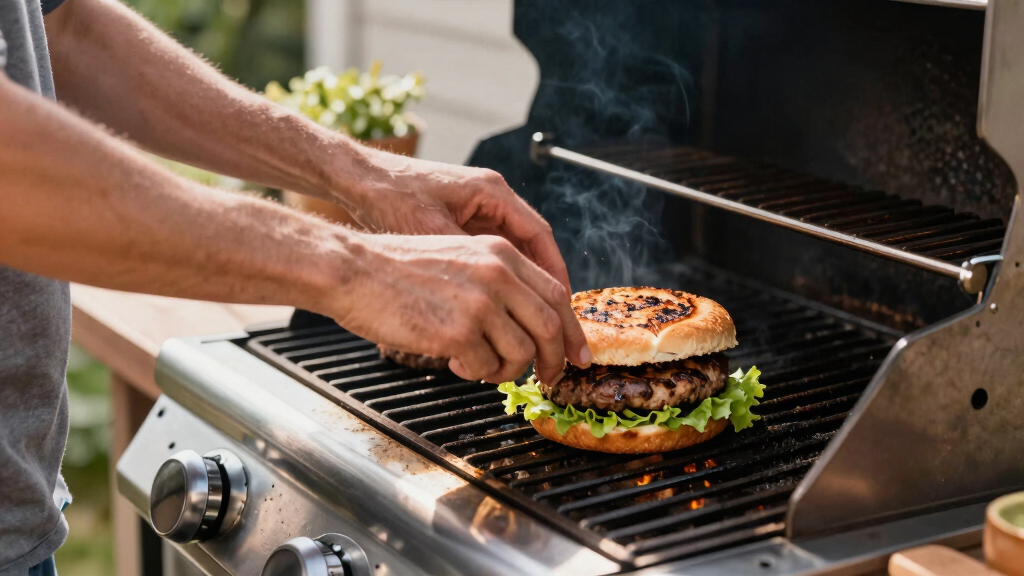
A patty that works in a skillet may behave differently on open grill grates. Firm, meat-like burgers generally tolerate flipping and direct heat better, while softer vegetable patties can crack when moved too early. For fragile burgers, I favor a skillet, griddle, air fryer basket, or grill tray that supports the full patty. Browning also depends on surface moisture: a dry exterior forms a crust more readily than a frosty or damp one. Buyers planning quick microwave lunches may accept a softer result in exchange for speed, but that same texture can feel weak beneath heavy toppings. Choosing around the actual cooking method prevents the common problem of buying a flavorful burger that is awkward to prepare.
Read Beyond the Front-Label Protein Claim
Protein varies widely across veggie burgers because peas, soy, beans, grains, and vegetables contribute different amounts. A produce-heavy patty may fit a plant-focused meal yet need a protein-rich side, while a soy- or pea-based burger may function as the main protein on its own. I would compare protein with sodium, saturated fat, fiber, and serving size rather than treating one number as a complete nutrition score. Buyers often assume every veggie burger is lighter than beef, but heavily seasoned meat alternatives can carry substantial sodium and fat. Allergens also deserve a close label check because soy, wheat, dairy, and egg may appear even when the product sounds plant-centered. The best nutritional fit is the burger that supports the rest of the meal, not the one with the loudest package claim.
Check Vegan, Vegetarian, Organic, and Allergen Labels Separately
Vegetarian does not always mean vegan, and a vegetable-based name does not confirm the absence of egg or dairy. Organic certification, gluten-free positioning, and non-GMO claims answer separate questions, so one label should not be treated as proof of another. Amy’s organic positioning may appeal to shoppers prioritizing certified ingredients, while explicitly vegan BOCA options provide a clearer starting point for avoiding animal products. Recipes can change, making the current package more reliable than an old online description or a familiar brand reputation. Shared facilities may also matter for buyers with severe allergies, even when an ingredient is not part of the recipe. I recommend checking the ingredient list, allergen statement, and certification marks every time a dietary restriction affects the purchase.
Compare Price Per Patty With Freezer Commitment
Bulk packs can produce a lower cost per patty, but the headline price tells only part of the story. A 12-pack or 48-count case ties up more freezer space and increases the risk of waste when only one person in the household eats veggie burgers. Smaller four-count boxes cost more per serving in some stores, yet they make it easier to try a new flavor without a long commitment. I would pay more for a small pack when exploring mushroom, spicy black bean, cauliflower, or herb-heavy styles because those flavors are more personal than a neutral burger profile. Large formats make more sense for predictable weekly meals, food service, or families that already know the product. The best value is the pack that will be eaten willingly, not simply the one with the lowest unit price.
Plan Around Toppings and the Rest of the Meal
A strongly seasoned patty needs different support from a mild vegetable burger. Smoky and beef-style options can carry classic cheese, pickles, onions, and burger sauce, while mushroom, quinoa, or California-style patties pair more naturally with greens, avocado, pesto, or a lighter spread. Spicy black bean burgers can become muddled when every topping adds more heat, so acidity and cooling sauces often create better balance. Thin or soft patties also benefit from restrained toppings because a tall, wet stack makes them harder to eat. Buyers who want one product for burgers, wraps, salads, and grain bowls should favor a patty with a versatile seasoning profile. Thinking about the whole plate helps distinguish a flexible staple from a single-purpose flavor.
Frequently Asked Questions
Should I buy a meat-like burger or a vegetable-forward burger?
Choose a meat-like burger when the goal is to replace a beef patty without changing the rest of the meal. Impossible and Beyond Meat fit cookouts, classic buns, and familiar toppings better than softer grain or vegetable patties. Choose a vegetable-forward burger when beans, mushrooms, quinoa, or cauliflower should contribute recognizable flavor. Those patties also work well in wraps, bowls, and lunches where beef imitation is unnecessary. For a household with mixed preferences, buying one option from each group is often more useful than forcing a single style into every meal.
Which veggie burgers are most likely to hold together on a grill?
Firm meat-style patties are generally the safest choice for open grill grates because their structure tolerates handling and direct heat. Softer vegetable and grain burgers may stick, split, or lose pieces during flipping. A grill tray, cast-iron surface, or sheet of perforated foil makes those delicate options easier to manage. Cooking from the state directed on the package also matters, since thawing a burger that is meant to cook from frozen can weaken it. If grilling is the main use, I would prioritize structure and flip resistance over visible vegetable pieces.
Are store-bought veggie burgers automatically healthier than beef burgers?
No; plant-based does not guarantee a lighter nutrition profile. Some meat-style products contain enough sodium and saturated fat to resemble conventional burgers more closely than buyers expect. Vegetable-forward patties may contain more visible produce or fiber, but they can be lower in protein and still rely on added starch or oil. I compare serving size, protein, fiber, sodium, and saturated fat together, then account for the bun, cheese, sauce, and sides. The healthier choice depends on the buyer’s goals and the complete meal.
Is a bulk case worth buying if I have not tried the burger before?
I would avoid a large case until the flavor and texture are known. Veggie burger preferences are highly specific, especially with mushroom, herb, cauliflower, and black bean recipes. A low per-patty price offers little value when most of the case remains unused. Start with a four-count package when possible, then compare bulk prices after the product has earned a regular place in the freezer. Cases make the most sense for families, repeat buyers, and food-service use with predictable demand.
Can I use one veggie burger for buns, bowls, wraps, and salads?
Yes, but a moderately seasoned, structurally firm patty will be more flexible than a strongly flavored or crumbly one. Mild California-style, mushroom-quinoa, and classic veggie burgers can move between buns and bowls without dominating every recipe. Smoky, spicy, or Italian-herb patties create a more defined meal and may clash with some sauces or cuisines. For bowls and salads, a patty that can be sliced cleanly is easier to portion than one that breaks into soft chunks. Buyers seeking one freezer staple should prioritize neutral seasoning and reliable structure.
Conclusion
For the widest appeal, I recommend Impossible Burger Patties as the best overall; they make the most sense for classic burgers, mixed-diet households, and cooks who want a familiar texture. BOCA Original Vegan Veggie Burgers are my best-value choice for frequent use, provided the larger pack fits the available freezer space. Buyers willing to spend more for a vegetable-led recipe should choose Actual Veggies Mushroom Quinoa, my premium pick, while BOCA All American is the easiest starting point for beginners who want a straightforward burger profile. For specific needs, MorningStar Farms Spicy Black Bean suits heat seekers, Dr. Praeger’s Crunchy Cauliflower serves buyers wanting a distinctive vegetable base, and Amy’s is the lineup’s clear organic option. Dr. Praeger’s Black Bean Quinoa and California burgers are better matches for shoppers who value beans, grains, and visible vegetables over beef imitation. Beyond Meat remains a strong alternative to Impossible for buyers who prefer its particular plant-meat style, but the first-place pick offers the more broadly adaptable package.
Columbus Day / Indigenous Peoples' Day Picks
long weekend sales
As an affiliate, we earn on qualifying purchases.