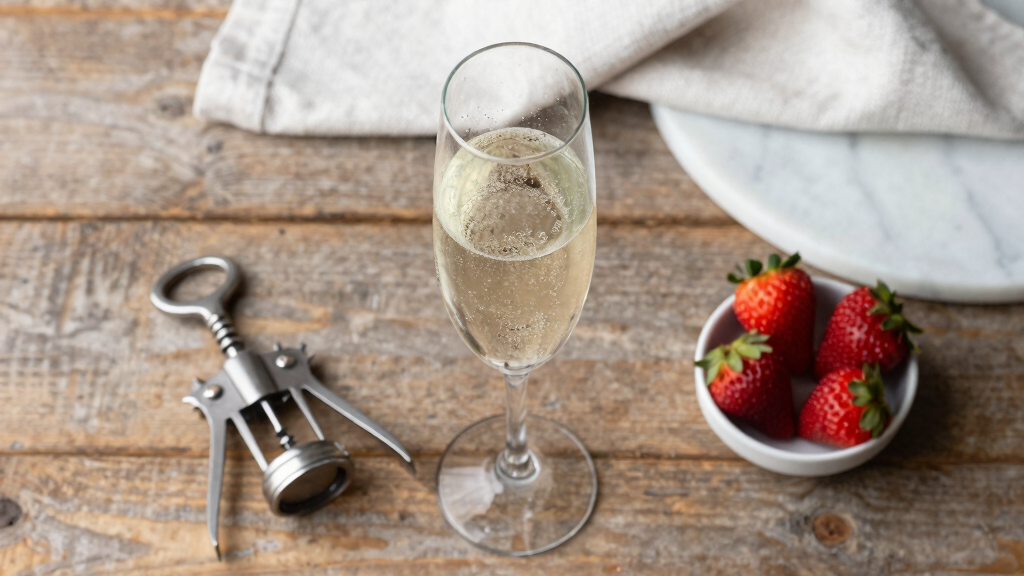

The best sparkling wines in this roundup are alcohol-free options built for celebrations, meals, and casual sipping. Thomson & Scott Noughty Sparkling Rosé is my best overall pick because its dry positioning, full-size bottle, and broad food-pairing appeal make it the most versatile choice. French Bloom Le Blanc is the premium alternative, while Boresso Extra Dry Sparkling Wine offers a more accessible route to a traditional white-wine profile. The main tradeoffs are sweetness, bottle size, dietary priorities, presentation, and how much complexity buyers expect. Continue reading for the full ranking logic, buying factors, and recommendations by occasion.

Get baking supplies delivered free with Prime
- Fast, free delivery on millions of items
- Prime Video, Amazon Music and more included
- Member-only deals all year
Complete the kit


Key Takeaways
- Noughty Sparkling Rosé takes the top spot because it balances dry styling, occasion-ready presentation, and versatility better than the more specialized bottles.
- French Bloom Le Blanc is the premium pick, but its upscale positioning makes less sense for casual pouring than Noughty or Boresso.
- Boresso Extra Dry White is the strongest value choice, while Lyre’s Classico Grande offers a friendlier starting point for buyers new to alcohol-free sparkling wine.
- BOLLE Blanc de Blancs is the smarter small-format purchase, whereas the variety six-pack favors portability, portion control, and flavor exploration.
- Van Hunks Sparkling Rosé leads for zero-sugar priorities; Boresso Extra Dry Rosé suits buyers who want a straightforward rosé alternative without moving into Noughty’s higher-ranked all-rounder role.
| Van Hunks Non-Alcoholic Sparkling Rosé Wine |  | Best Overall Rosé Alternative | Bottle Size: 750ml | Alcohol Content: <0.5% ABV | Grape Varieties: Chenin Blanc and Cabernet Sauvignon | VIEW LATEST PRICE | See Our Full Breakdown |
| Boresso Extra Dry Non-Alcoholic Sparkling Wine |  | Best True 0.0% Pick | Bottle Size: 750ml | Alcohol Content: 0.0% ABV | Country of Origin: Italy | VIEW LATEST PRICE | See Our Full Breakdown |
| BOLLE Blanc de Blancs Non-Alcoholic Sparkling White Wine |  | Best Premium Half Bottle | Bottle Size: 375ml | Format: Half bottle | Wine Type: Non-alcoholic sparkling white wine | VIEW LATEST PRICE | See Our Full Breakdown |
| Boresso Extra Dry Non-Alcoholic Sparkling Rosé Wine |  | Best Rosé for Mocktails | Bottle Size: 750ml | Alcohol Content: 0.0% ABV | Country of Origin: Italy | VIEW LATEST PRICE | See Our Full Breakdown |
| Lyre’s Classico Grande Non-Alcoholic Sparkling Wine |  | Best for Dietary Flexibility | Bottle Size: 25.4 fl oz | Metric Volume: Approximately 750ml | Wine Type: Non-alcoholic sparkling wine | VIEW LATEST PRICE | See Our Full Breakdown |
| Thomson & Scott Noughty Sparkling Rosé, Alcohol-Free, 750ml |  | Best Easy-Drinking Rosé | Volume: 750ml | Alcohol Content: 0% ABV | Sugar: 4g per 100ml | VIEW LATEST PRICE | See Our Full Breakdown |
| French Bloom Le Blanc Alcohol-Free Sparkling Wine, 750ml |  | Best Premium Alcohol-Free Sparkling Wine | Volume: 750ml | Alcohol Content: 0.0% | Grape: Organic Chardonnay | VIEW LATEST PRICE | See Our Full Breakdown |
| Non-Alcoholic Sparkling Wine Variety 6-Pack | 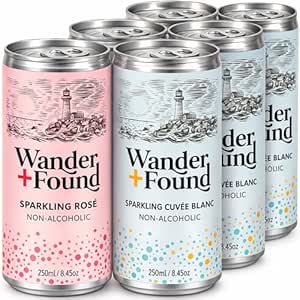 | Best for Portable Variety | Quantity: 6 cans | Can Size: 8.5 oz | Package Format: Single-serving cans | VIEW LATEST PRICE | See Our Full Breakdown |
| sparkling wine | Bottle Size | Alcohol Content | Calories | Flavor Notes |
|---|---|---|---|---|
| Van Hunks Non-Alcoholic Sparkl | 750ml | <0.5% ABV | 22 per serving | — |
| Boresso Extra Dry Non-Alcoholi | 750ml | 0.0% ABV | 5 per fl oz | Green apple, citrus, and honey |
| BOLLE Blanc de Blancs Non-Alco | 375ml | — | — | Citrus and green apple |
| Boresso Extra Dry Non-Alcoholi | 750ml | 0.0% ABV | Less than 4 per fl oz | Currant, raspberry, and blueberry |
| Lyre’s Classico Grande Non-Alc | 25.4 fl oz | — | 27 per serving | Citrus and orchard fruit |
| Thomson & Scott Noughty Sparkl | — | 0% ABV | 25 per 100ml | — |
| French Bloom Le Blanc Alcohol- | — | 0.0% | — | — |
| Non-Alcoholic Sparkling Wine V | — | — | — | — |
More Details on Our Top Picks
Van Hunks Non-Alcoholic Sparkling Rosé Wine
I rank Van Hunks Non-Alcoholic Sparkling Rosé highest among these rosé alternatives because it combines delicate bubbles, varied fruit notes, and a wine-led texture. Chenin Blanc and Cabernet Sauvignon bring kiwi, peach, passion fruit, and lime zest, giving it more range than the berry-focused Boresso Extra Dry Non-Alcoholic Sparkling Rosé. Its 22 calories per serving and lack of added sugar also suit regular pouring rather than celebrations alone. The compromise is its off-dry finish, which may disappoint buyers expecting the bone-dry character suggested by the label. It also contains under 0.5% ABV, unlike Boresso’s true 0.0% rosé. I see this as the most balanced all-purpose choice, but not the right bottle for strict alcohol avoidance.
Pros:- Layered kiwi, peach, passion-fruit, and lime-zest profile
- Chenin Blanc and Cabernet Sauvignon provide more wine-like structure
- No added sugar or additives
- Vegan recipe with only 22 calories per serving
Cons:- Contains trace alcohol at under 0.5% ABV
- Off-dry character may taste softer than the product title suggests
- Less complexity and persistence than alcoholic sparkling rosé
Best for: I recommend it for rosé drinkers seeking a low-calorie, food-friendly bottle with broader fruit character than a simple berry sparkler.
Not ideal for: I would skip it for buyers requiring certified 0.0% ABV or anyone who prefers a sharply dry, austere finish.
- Bottle Size:750ml
- Alcohol Content:<0.5% ABV
- Grape Varieties:Chenin Blanc and Cabernet Sauvignon
- Sweetness:Off-dry
- Calories:22 per serving
- Vegan:Yes
- Region:Stellenbosch, South Africa
- Producer:Matthew Krone, 14th-generation winemaker
Our verdict“I recommend Van Hunks as the strongest all-round rosé alternative unless 0.0% ABV or a bone-dry finish is mandatory.”
Boresso Extra Dry Non-Alcoholic Sparkling Wine
I place Boresso Extra Dry ahead of most zero-alcohol whites for buyers who prioritize 0.0% ABV and a crisp Italian style. Green apple and citrus keep the profile lively, while a honey note softens the finish enough for cocktails or an uncomplicated toast. At five calories per ounce, it is also lighter than many sweet sparkling substitutes. Compared with BOLLE Blanc de Blancs, Boresso provides a full 750ml bottle and broader party versatility, but it lacks BOLLE’s fermentation-led texture, minerality, and award pedigree. The honeyed accent may also read less dry than some Brut drinkers expect. I rank it as the practical zero-proof celebration bottle, with accessibility and volume taking priority over layered flavor or long finish.
Pros:- True 0.0% ABV suits strict alcohol avoidance
- Crisp green-apple and citrus profile
- Only five calories per fluid ounce
- Full-size bottle works well for parties and mocktails
Cons:- Less layered than BOLLE Blanc de Blancs or traditional Champagne
- Honey notes may soften the expected extra-dry character
- Cannot provide the body or warmth of an alcoholic sparkler
Best for: I recommend it for hosts who need a full-size 0.0% bottle for group toasts, spritzes, or lower-calorie mocktails.
Not ideal for: I would skip it for Champagne enthusiasts seeking pronounced minerality, fermentation complexity, or an alcoholic wine experience.
- Bottle Size:750ml
- Alcohol Content:0.0% ABV
- Country of Origin:Italy
- Style:Extra dry sparkling white
- Calories:5 per fl oz
- Flavor Notes:Green apple, citrus, and honey
- Added Sugar or Fillers:None
Our verdict“I recommend Boresso Extra Dry for buyers who value genuine 0.0% ABV, a full bottle, and cocktail-friendly crispness over complexity.”
BOLLE Blanc de Blancs Non-Alcoholic Sparkling White Wine
I reserve the premium slot for BOLLE Blanc de Blancs because its twice-fermented production and medal-winning profile aim beyond basic fizzy fruit. Citrus and green apple create a focused, bright style, while the production method is designed to add texture and minerality—qualities often missing from non-alcoholic sparkling wine. Compared with Boresso Extra Dry, BOLLE is the more ambitious choice for a small dinner or serious tasting, but its 375ml bottle offers only half the volume and may cost more than standard alternatives. Its tart, apple-led profile is also less accommodating for drinkers who favor the softer berry fruit of Van Hunks Rosé. I rank it as the best small-format splurge, not the most economical bottle for serving a crowd.
Pros:- Twice-fermented production targets added texture and minerality
- Multiple gold-medal recognition
- Focused citrus and green-apple character
- Half bottle suits one or two drinkers with less waste
Cons:- 375ml bottle is too small for most group celebrations
- May cost more than standard non-alcoholic sparkling wines
- Tart citrus-and-apple profile may be too narrow for fruit-forward palates
Best for: I recommend it for one or two discerning drinkers who want a more structured, award-recognized non-alcoholic sparkler.
Not ideal for: I would skip it for large gatherings or value-focused buyers because the 375ml format provides relatively little wine.
- Bottle Size:375ml
- Format:Half bottle
- Wine Type:Non-alcoholic sparkling white wine
- Style:Blanc de Blancs
- Production Method:Twice fermented
- Flavor Notes:Citrus and green apple
- Awards:Multiple gold medals
- Recognition:Forbes Best Non-Alcoholic Wine
Our verdict“I recommend BOLLE for a premium alcohol-free toast for two, provided bottle size matters less than texture and pedigree.”
Boresso Extra Dry Non-Alcoholic Sparkling Rosé Wine
I choose Boresso Extra Dry Non-Alcoholic Sparkling Rosé for mixed drinks because its currant, raspberry, and blueberry profile remains easy to recognize alongside citrus, syrups, or botanical mixers. The crisp finish and fewer than four calories per ounce keep a spritz from becoming overly heavy, while 0.0% ABV makes it more suitable for strict non-drinkers than Van Hunks Rosé. Served alone, however, Boresso has the narrower personality: Van Hunks offers more varied fruit, named grape varieties, and a more wine-oriented identity. Berry aromas can also make this bottle feel closer to a polished sparkling mixer than a dry rosé for contemplative sipping. I rank it as the most versatile rosé cocktail base, but buyers seeking depth at the dinner table should choose Van Hunks instead.
Pros:- Distinct currant, raspberry, and blueberry aromas
- True 0.0% ABV accommodates strict non-drinkers
- Fewer than four calories per fluid ounce
- Crisp berry profile works readily in mocktails
Cons:- Less layered and wine-like than Van Hunks Rosé
- Berry-forward character may taste mixer-like when served alone
- Limited appeal for drinkers seeking alcoholic sparkling rosé
Best for: I recommend it for mocktail makers and party hosts who want a berry-led, low-calorie rosé with true 0.0% ABV.
Not ideal for: I would skip it for wine-focused dinners where grape character, savory structure, and a lingering finish matter most.
- Bottle Size:750ml
- Alcohol Content:0.0% ABV
- Country of Origin:Italy
- Grapes:Italian grapes
- Style:Extra dry sparkling rosé
- Calories:Less than 4 per fl oz
- Flavor Notes:Currant, raspberry, and blueberry
- Added Sugar:None
Our verdict“I recommend Boresso Rosé as the lineup’s best berry-driven mocktail base, while Van Hunks remains better for sipping neat.”
Lyre’s Classico Grande Non-Alcoholic Sparkling Wine
I give Lyre’s Classico Grande the dietary-flexibility role because it combines a vegan, gluten-free recipe with bright citrus, orchard fruit, and a clean dry finish. Its 27 calories per serving support mindful everyday pouring, and the 2025 IWSC Silver Medal adds useful independent recognition. Compared with Boresso Extra Dry, Lyre’s presents a broader orchard-fruit profile, while Boresso is the sharper option for buyers prioritizing 0.0% labeling and only five calories per ounce. BOLLE still has the stronger case for fermentation texture and a premium small-format experience. Lyre’s main compromise is sugar: at 1.1 grams per ounce, intake can accumulate across the 25.4-ounce bottle. I see it as the most accommodating table bottle, though purists may find it less vinous than traditionally fermented sparkling wine.
Pros:- Vegan and gluten-free formulation
- Bright citrus and orchard-fruit profile with a dry finish
- Only 27 calories per serving
- Received a 2025 IWSC Silver Medal
Cons:- Contains 1.1 grams of sugar per fluid ounce
- Less fermentation-driven texture than BOLLE Blanc de Blancs
- May not satisfy buyers seeking the body and complexity of alcoholic sparkling wine
Best for: I recommend it for vegan or gluten-free households seeking an award-recognized, full-size sparkling option for regular alcohol-free occasions.
Not ideal for: I would skip it for low-sugar buyers or traditional-wine drinkers who prioritize fermentation character and Champagne-like depth.
- Bottle Size:25.4 fl oz
- Metric Volume:Approximately 750ml
- Wine Type:Non-alcoholic sparkling wine
- Calories:27 per serving
- Sugar:1.1g per fl oz
- Flavor Notes:Citrus and orchard fruit
- Finish:Clean and dry
- Dietary Suitability:Vegan and gluten-free
- Award:2025 IWSC Silver Medal
Our verdict“I recommend Lyre’s Classico Grande for dietary-conscious households wanting an approachable full bottle, provided its sugar level fits their needs.”
Thomson & Scott Noughty Sparkling Rosé, Alcohol-Free, 750ml
I place Thomson & Scott Noughty Sparkling Rosé in the easy-drinking slot because its soft apple aroma, medium sweetness, and gentle acidity make it more approachable than drier bottles. Compared with Van Hunks Non-Alcoholic Sparkling Rosé, which emphasizes a dry, zero-sugar profile, Noughty should suit buyers who prefer a rounder fruit character and less bite. Its organic, vegan, and halal credentials also make shared celebrations easier to plan, while 25 calories per 100ml keep it lighter than many sweet drinks. The tradeoff is definition: low tannin and acidity produce a relaxed texture but little structure, and drinkers seeking the layered, vinous character of conventional rosé may find it simple. I rank it for accessibility rather than depth, with food-friendly versatility as its main advantage.
Pros:- Soft apple character and medium sweetness are approachable for newer wine drinkers
- Only 25 calories and 4 grams of sugar per 100ml
- Organic, vegan, and halal certification broadens its suitability
- Low acidity makes it flexible with lighter foods
Cons:- Low acidity and tannin limit structure and flavor depth
- Medium sweetness will be too soft for buyers who prefer extra-dry sparkling wine
- Does not closely reproduce the finish of conventional alcoholic rosé
Best for: Hosts serving mixed-diet groups who want a soft, lightly sweet rosé for brunches, showers, or casual meals
Not ideal for: Dry-wine enthusiasts who want pronounced acidity, tannic structure, or the layered character of alcoholic rosé
- Volume:750ml
- Alcohol Content:0% ABV
- Sugar:4g per 100ml
- Calories:25 per 100ml
- Sweetness:Medium
- Organic:Yes
- Dietary Certifications:Vegan and halal
- Origin:La Mancha, Spain
Our verdict“I recommend Noughty to buyers who favor a gentle, lightly sweet rosé over the sharper profile of a dry alcohol-free sparkler.”
French Bloom Le Blanc Alcohol-Free Sparkling Wine, 750ml
I rank French Bloom Le Blanc as the premium choice because its organic Chardonnay base and pear, white-flower, and citrus profile promise more aromatic precision than sweeter, simpler alternatives. Beside Thomson & Scott Noughty Sparkling Rosé, French Bloom offers a leaner white-wine direction without Noughty’s medium sweetness, making it better suited to aperitifs and seafood. It also omits added sugar, sulfites, preservatives, and alcohol, an uncommon combination for buyers with strict ingredient preferences. That polish carries a cost: the higher price is harder to justify for casual mixing, and its crisp fruit character still cannot supply the fermentation depth of conventional Champagne. The full 750ml bottle also needs chilling and timely sharing. I place it above basic substitutes for presentation and ingredient quality, not value.
Pros:- Organic French Chardonnay provides a defined pear, floral, and citrus profile
- Contains no alcohol, added sugar, sulfites, or preservatives
- Vegan and halal credentials suit varied guest requirements
- Premium bottle presentation fits formal occasions and gifting
Cons:- Priced above many alcohol-free sparkling alternatives
- Crisp fruit notes cannot replicate Champagne’s fermented, yeasty depth
- The 750ml bottle is less practical for one-person servings and requires chilling
Best for: Ingredient-conscious hosts seeking an elegant 750ml alcohol-free white for formal dinners, aperitifs, or gifting
Not ideal for: Budget-focused shoppers or Champagne drinkers seeking yeasty depth and an alcoholic finish
- Volume:750ml
- Alcohol Content:0.0%
- Grape:Organic Chardonnay
- Organic:Yes
- Dietary Certifications:Vegan and halal
- Sulfites:Sulfite-free
- Added Sugar:None
- Made In:Limoux, France
- Calorie Profile:Low calorie
Our verdict“I recommend French Bloom Le Blanc when ingredient purity and polished presentation matter more than price or Champagne-like depth.”
Non-Alcoholic Sparkling Wine Variety 6-Pack
I reserve the portable-variety role for this six-can sparkling wine pack, since it solves a different problem from every 750ml bottle in the lineup. The three Rosé and three Cuvée Blanc servings let groups switch styles without opening multiple bottles, while 8.5-ounce cans suit picnics, travel, and single-person pours. Compared with Lyre’s Classico Grande, the pack sacrifices traditional bottle presentation but reduces leftover wine and makes portioning easier. Its real-grape German production and vegan, gluten-free, low-calorie profile add substance beyond simple convenience. Still, French Bloom Le Blanc is the stronger choice for a formal table or a more polished Chardonnay profile. Buyers also receive only two flavor choices, and each can may feel small when shared. I rank it for flexibility and low waste, not ceremony or cellar-style character.
Pros:- Individual cans reduce waste and simplify portion control
- Includes both Sparkling Rosé and Cuvée Blanc
- Portable packaging works well for picnics, travel, and outdoor events
- Vegan, gluten-free, and low-calorie formulation suits varied diets
Cons:- Only two wine styles are included across all six cans
- Cans lack the presentation value of a 750ml sparkling-wine bottle
- An 8.5-ounce serving may be too small for sharing
Best for: Picnic groups, occasional drinkers, and households wanting individual alcohol-free servings in both rosé and white styles
Not ideal for: Dinner hosts who want an impressive table bottle or buyers seeking more than two flavor profiles
- Quantity:6 cans
- Can Size:8.5 oz
- Package Format:Single-serving cans
- Wine Styles:Sparkling Rosé and Cuvée Blanc
- Alcohol Profile:Non-alcoholic
- Grape Source:Made with real grapes
- Dietary Features:Vegan and gluten-free
- Calorie Profile:Low calorie
- Country of Origin:Germany
Our verdict“I recommend this six-pack for buyers who value portable single servings and two-style flexibility more than bottle presentation.”
How We Picked
I ranked these wines by examining their dryness and sweetness positioning, serving format, dietary claims, likely occasion fit, and ability to work with food. I gave more weight to versatility and broad buyer appeal for the top positions, since the best overall bottle should work beyond a single toast or narrow preference. I also separated stated facts, such as bottle volume and zero-sugar labeling, from flavor expectations that cannot be confirmed from a product name alone.
Ranking order reflects how many buyer needs each option addresses without creating a major compromise. Full-size bottles with a clear style and broad serving appeal ranked above products aimed mainly at small servings or portability. Value was judged through usable volume, flexibility, and product positioning rather than price alone, since retail prices can change. More specialized strengths still earned category wins: French Bloom for premium presentation, BOLLE for a half-bottle format, and the canned assortment for variety.
| sparkling wine | Flavor Notes |
|---|---|
| Van Hunks Non-Alcoholic Sparkl | — |
| Boresso Extra Dry Non-Alcoholi | Green apple, citrus, and honey |
| BOLLE Blanc de Blancs Non-Alco | Citrus and green apple |
| Boresso Extra Dry Non-Alcoholi | Currant, raspberry, and blueberry |
| Lyre’s Classico Grande Non-Alc | Citrus and orchard fruit |
| Thomson & Scott Noughty Sparkl | — |
| French Bloom Le Blanc Alcohol- | — |
| Non-Alcoholic Sparkling Wine V | — |
Factors to Consider When Choosing Best Sparkling Wines
I would choose an alcohol-free sparkling wine by matching its sweetness, acidity, format, and occasion to the way it will actually be served. A prestigious-looking bottle is not automatically the best choice for a weeknight glass, just as a convenient can may feel out of place at a formal dinner. The sections below explain the category-level tradeoffs that separate a good match from an expensive mismatch.
Read Sweetness Language Carefully
Dryness labels can be misleading, especially when buyers assume “extra dry” always means the least sweet option. In traditional sparkling-wine language, extra dry can contain more sweetness than brut, while alcohol-free producers may use the wording less consistently. I would check the sugar information and tasting description together instead of relying on one phrase. A small amount of sweetness can soften sharp acidity, but too much may make the wine tiring beside dinner. Zero sugar suits buyers who dislike sweetness or monitor sugar intake, though the result may taste leaner. For desserts or spicy food, a slightly softer profile can be more harmonious than the driest bottle.
Match the Wine Style to the Food
White and rosé sparkling wines fill different roles even when both are alcohol-free. Blanc de blancs styling usually points buyers toward a lighter, citrus-led profile that fits seafood, salads, and appetizers. Rosé can bring a rounder fruit impression that works well with brunch dishes, charcuterie, or mildly spicy food. I would avoid choosing solely by color because acidity and sweetness have a larger effect on pairing success. A dry, high-acid bottle can cut through fried foods, while a softer wine may be easier to sip without a meal. Buyers planning one bottle for several courses should favor versatility over novelty.
Choose the Right Package Size
A 750ml bottle is suited to several guests, but it becomes wasteful when only one person wants a glass. A 375ml half-bottle offers roughly half the servings and reduces the pressure to finish an opened bottle. Individual cans are even easier for picnics, mixed-preference groups, and occasions where glass is inconvenient. Their drawback is reduced ceremony and less control over serving glassware at formal events. I would select small formats for occasional drinking and full bottles when sharing is part of the event. Package size can create more practical value than a small difference in bottle price, especially because sparkle fades after opening.
Verify Dietary and Ingredient Priorities
Alcohol-free, zero sugar, vegan, low-calorie, and gluten-free describe different attributes, so one claim does not guarantee the others. Buyers avoiding alcohol should read the exact alcohol statement because labeling rules and definitions vary by market. Vegan shoppers may also want explicit certification or producer confirmation, since some wines are clarified using animal-derived processing aids. Low calorie does not always mean sugar-free, and a dry taste does not prove a low sugar count. I would prioritize the claim tied to the buyer’s actual need rather than choosing the bottle with the longest list of badges. When dietary restrictions are medical, the current package label should take priority over retailer copy. This extra check matters most for variety packs, where flavors may have different formulations.
Know When Paying More Makes Sense
Premium pricing often buys more elaborate presentation, brand positioning, and a style aimed at formal occasions. It does not automatically produce a better match for someone mixing mocktails or serving a large casual group. I would spend more when the bottle will be displayed, gifted, paired with a planned meal, or used as the main toast. For brunches and frequent pours, a dependable value bottle may offer more useful volume per purchase. Small bottles can carry a higher cost per ounce but reduce unfinished leftovers. Cans trade traditional presentation for portability and portion control. The best value comes from matching the format to the occasion, not simply buying the lowest sticker price.
Frequently Asked Questions
Does Alcohol-Free Sparkling Wine Always Contain Zero Alcohol?
No, alcohol-free does not always mean 0.0% in every country or product category. Some bottles may retain a very small amount after dealcoholization, while others are formulated or processed to reach a stated 0.0%. I would read the alcohol-by-volume declaration rather than relying on the front label alone. Buyers avoiding all alcohol for health, religious, pregnancy-related, or recovery reasons should seek clear 0.0% labeling and professional guidance when needed. The product’s current label is more reliable than a general assumption about non-alcoholic wine.
Will a Zero-Sugar Sparkling Rosé Taste Too Tart?
A zero-sugar rosé may taste sharper because sweetness is not present to soften acidity, but that does not make tartness inevitable. Fruit character, carbonation, serving temperature, and acid balance also shape the impression. Buyers accustomed to sweet mocktails may find a dry bottle lean at first, while dry-wine drinkers may prefer its cleaner finish. I would serve it well chilled with salty appetizers or richer foods, which can make the acidity feel more balanced. If softness matters more than sugar avoidance, an extra-dry or fruit-forward option may be the safer purchase.
Is a 375ml Bottle Better Than a Full-Size Bottle?
A 375ml bottle is better for one or two drinkers who want fresh bubbles without leftovers. The smaller format also suits tasting alongside another beverage or pairing one wine with a single course. A 750ml bottle offers better sharing value for groups and creates a more traditional table presentation. I would choose the half-bottle when waste is the larger concern, even if its price per ounce is higher. For parties, full-size bottles or cans are usually easier because guests can be served without opening many small bottles.
Are Canned Sparkling Wines Suitable for a Celebration?
Canned sparkling wine works well for outdoor parties, travel, mixed-preference gatherings, and events that restrict glass. Individual servings also let guests open only what they want, helping preserve carbonation and control waste. The compromise is presentation: cans lack the cork-opening ritual and shared-bottle appearance many buyers associate with a toast. Pouring the wine into flutes can make the experience feel more polished, though that removes some of the format’s convenience. I would choose a variety pack for casual celebrations and a bottle for formal dinners, gifts, or centerpiece service.
How Long Does Non-Alcoholic Sparkling Wine Last After Opening?
Most opened sparkling wines are best consumed quickly because carbonation begins escaping immediately. A tight sparkling-wine stopper and refrigeration can help preserve bubbles, but an ordinary cork placed loosely in the neck is less effective. I would aim to finish an opened bottle within one to three days, following any producer guidance on the label. Flavor may remain acceptable after the sparkle weakens, yet the drink will no longer deliver the same celebratory texture. Buyers who drink slowly should favor half-bottles or single-serving cans to reduce waste.
Conclusion
For most buyers, Thomson & Scott Noughty Sparkling Rosé is my best overall recommendation because it offers the strongest balance of dry styling, food friendliness, and full-bottle presentation. Boresso Extra Dry Sparkling Wine is the value pick for buyers seeking a direct white sparkling alternative without paying for premium positioning. Beginners should start with Lyre’s Classico Grande, whose familiar celebration-oriented format feels less specialized than BOLLE’s half-bottle.
For gifts, formal dinners, or buyers prioritizing presentation, French Bloom Le Blanc is the premium choice. Those focused on a dry, zero-sugar rosé should choose Van Hunks, while Boresso’s rosé is the more straightforward alternative for casual rosé service. BOLLE Blanc de Blancs makes the most sense for one or two drinkers who want less waste.
For picnics, travel, and groups that want multiple flavors, I would select the non-alcoholic variety six-pack over any single 750ml bottle. Buyers wanting rosé in a conventional bottle can choose Boresso Extra Dry Rosé, though Noughty remains the stronger all-purpose upgrade. The final choice should follow the serving occasion: premium bottle for ceremony, value bottle for repeat pouring, small format for freshness, or cans for convenience.
Columbus Day / Indigenous Peoples' Day Picks
long weekend sales
As an affiliate, we earn on qualifying purchases.