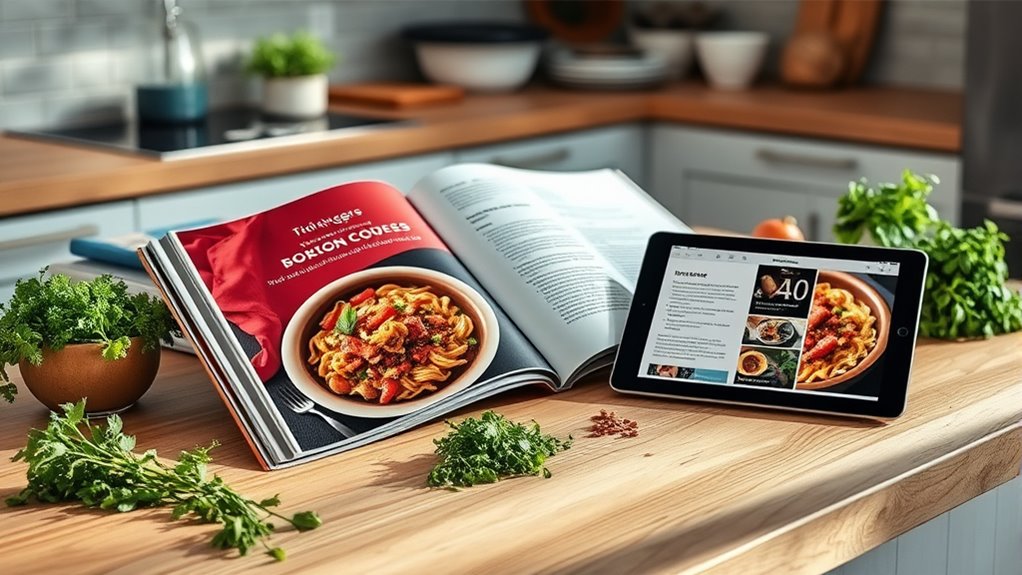

Choosing between print and digital recipe books hinges on your cooking habits, design preferences, and technical skills. The Cookbook with Good Design stands out for those wanting to craft beautiful, reader-friendly physical books with professional layouts, making it ideal for aspiring cookbook creators. Meanwhile, the Digital Print Styles Recipe Book caters to those who want to produce high-quality digital prints at home, especially if they are comfortable with Photoshop Elements and inkjet printers. Both options highlight key tradeoffs: tangible physicality versus digital flexibility, ease of use versus technical requirements, and design depth versus printing quality.

Get baking supplies delivered free — and shop member deals
- Fast, free delivery on millions of items
- Access to Prime Big Deal Days deals on October 6–7
- Prime Video, Amazon Music and more included
Complete the kit


Key Takeaways
- Print recipe books excel in tactile experience and aesthetic presentation, ideal for gift-giving or personal use.
- Digital recipes are more flexible, customizable, and easier to update, perfect for tech-savvy users.
- The design-focused print guide suits beginners aiming to create professional-looking cookbooks from scratch.
- The digital print guide benefits users who want to achieve high-quality home-printed recipes with specific software skills.
- Tradeoffs include physical durability and display versus digital convenience and updatability.
| Cookbook with Good Design: The Complete Guide to Creating Beautiful, Reader-Friendly Recipe Books with Professional Layouts, Stunning Visuals, and Easy-to-Follow Recipes |  | Best for Aspiring Physical Cookbook Creators | Format: Printed guide | Intended Audience: Aspiring cookbook creators | Skill Level: Beginner to intermediate | VIEW ON AMAZON | See Our Full Breakdown |
| Digital Print Styles Recipe Book: Getting Professional Results with Photoshop Elements and Your Inkjet Printer |  | Best for Digital Printing Enthusiasts | Format: Digital guide | Intended Audience: Photoshop users and digital print enthusiasts | Skill Level: Intermediate to advanced | VIEW ON AMAZON | See Our Full Breakdown |
| comparison print vs digital recipe book | Format | Intended Audience | Skill Level | Focus |
|---|---|---|---|---|
| Cookbook with Good Design: The | Printed guide | Aspiring cookbook creators | Beginner to intermediate | Design and layout |
| Digital Print Styles Recipe Bo | Digital guide | Photoshop users and digital print enthusiasts | Intermediate to advanced | Digital printing and editing |
More Details on Our Top Picks
Cookbook with Good Design: The Complete Guide to Creating Beautiful, Reader-Friendly Recipe Books with Professional Layouts, Stunning Visuals, and Easy-to-Follow Recipes
This guide stands out for its comprehensive approach to designing attractive, reader-friendly cookbooks. It’s ideal for beginners interested in creating physical recipe books with professional layouts and stunning visuals. Compared with the digital-focused option, this book emphasizes tangible design elements, making it perfect for those who want a physical product they can hold and display. However, it doesn’t cover printing specifics or technical details about physical production, which might leave some users wanting more practical printing guidance. This makes it less suited for those primarily interested in digital or print-on-demand workflows.
Pros:- Offers detailed design tips for creating attractive cookbooks
- Includes guidance on professional layouts and visual presentation
- Easy-to-follow instructions suitable for beginners
- Focuses on aesthetic appeal and readability
Cons:- No specific product features or specifications provided
- Focuses more on book design rather than physical production or printing
- Lacks customer reviews or ratings for real-world validation
Best for: Anyone wanting to craft a beautiful, physical recipe book from scratch, especially beginners in graphic design or layout.
Not ideal for: Users seeking detailed printing techniques or advanced digital editing skills for digital projects.
- Format:Printed guide
- Intended Audience:Aspiring cookbook creators
- Skill Level:Beginner to intermediate
- Focus:Design and layout
- Visual Guidance:Yes
- Print Tips:Basic, non-technical
Our verdict“An excellent starting point for beginners who want to design and assemble physical recipe books with visual flair.”
Digital Print Styles Recipe Book: Getting Professional Results with Photoshop Elements and Your Inkjet Printer
This guide makes a strong case for users who want to produce high-quality digital prints at home, especially if they are familiar with Photoshop Elements. It offers step-by-step instructions to optimize digital printing results, making it ideal for those who want professional-looking recipes without relying on external printers or services. Compared to the physical book design guide, this product emphasizes technical printing skills and software proficiency. It’s less suitable for complete beginners or those who prefer straightforward, non-digital methods; users need prior familiarity with Photoshop or be willing to learn.
Pros:- Provides detailed techniques for digital printing
- Helps achieve professional-quality results at home
- Tailored for Photoshop Elements users
- Focuses on customizing and improving print outcomes
Cons:- Requires prior knowledge of Photoshop Elements
- No physical product or material specifications provided
- Steeper learning curve for users new to digital editing
Best for: Tech-savvy users interested in creating and printing their own digital recipe pages with professional results.
Not ideal for: Beginners with limited digital editing experience or those who prefer ready-made printed books.
- Format:Digital guide
- Intended Audience:Photoshop users and digital print enthusiasts
- Skill Level:Intermediate to advanced
- Focus:Digital printing and editing
- Software Required:Photoshop Elements
- Physical Material:None
Our verdict“A practical choice for experienced digital users aiming for high-quality home-printed recipes with professional polish.”
How We Picked
Our selection process focused on how well each product addresses the core needs of those choosing between print and digital formats. We prioritized practical usability, clarity of instructions, and relevance to each format’s strengths. Products with detailed guidance, clear tradeoffs, and suitability for different skill levels were favored. We also considered how each product compares to the other in terms of design quality, technical requirements, and overall value for their target audiences.
| comparison print vs digital recipe book | Format | Intended Audience | Skill Level | Focus |
|---|---|---|---|---|
| Cookbook with Good Design: The | Printed guide | Aspiring cookbook creators | Beginner to intermediate | Design and layout |
| Digital Print Styles Recipe Bo | Digital guide | Photoshop users and digital print enthusiasts | Intermediate to advanced | Digital printing and editing |
Factors to Consider When Choosing Comparison Print Vs Digital Recipe Books
Deciding between print and digital recipe books depends on your goals, skills, and how you prefer to use your recipes. To make an informed choice, consider whether you want a tangible, display-worthy book or a flexible digital file you can customize and update. Your decision should also factor in your comfort with design and printing technology, as well as how you envision interacting with your recipes over time.Purpose and Usage
If you plan to gift or display your recipes, a physical print offers a tactile experience and visual appeal that digital files can’t match. Conversely, if you want quick access, easy editing, and the ability to incorporate multimedia, digital formats provide unmatched flexibility.
Design and Customization
For those interested in crafting beautiful, professional layouts, a print-focused guide like the Cookbook with Good Design is invaluable. Digital projects, however, benefit from software skills and tools like Photoshop Elements, as detailed in the Digital Print Styles Recipe Book.
Technical Skills and Equipment
Creating a physical book from scratch generally requires a basic understanding of design principles, but no specialized equipment. Digital printing demands familiarity with editing software and a good-quality inkjet printer, making it more suitable for those comfortable with digital workflows.
Tradeoffs
Choosing print means enjoying a tangible product but investing more time in design and physical production. Digital results in easy updates and storage but requires technical know-how and digital tools. Each has distinct advantages depending on your priorities.
Frequently Asked Questions
What are the main benefits of print recipe books?
Print recipe books provide a physical, tactile experience that many find more engaging and easier to browse. They tend to be more durable for kitchen use and can be displayed or gifted as keepsakes. The process of designing a physical book also allows for creative expression through layout, visuals, and material choices.
Can I easily update a digital recipe book?
Yes, one of the primary advantages of digital recipe books is their flexibility. You can modify, add, or delete recipes without reprinting. This makes digital formats particularly useful for evolving collections or sharing updates with friends and family.
Do I need technical skills to create a digital print recipe book?
Some familiarity with digital editing software like Photoshop Elements is helpful, especially if you want to produce professional results. However, the level of difficulty depends on how much customization you desire. Basic digital printing can be straightforward, but advanced projects require more technical know-how.
What should I consider when designing a physical recipe book?
Focus on readability, visual harmony, and durability. Good design involves selecting the right paper, binding, and layout that enhance the cooking experience. Learning about print quality and material choices can make a significant difference in the final product’s appearance and longevity.
Are digital recipe books more cost-effective than print?
Digital recipes tend to be more cost-efficient, especially since they eliminate printing and shipping costs. They also allow you to create multiple versions or updates easily. However, if you want a polished, high-quality physical copy, printing costs can add up, making print less economical for one-off projects.
Conclusion
If you value a tangible, display-worthy cookbook and enjoy hands-on design, the Cookbook with Good Design is a compelling choice. It suits beginners and hobbyists eager to create a beautiful physical book. Conversely, if you’re already comfortable with digital editing tools and want to produce high-quality, customizable recipe prints at home, the Digital Print Styles Recipe Book provides detailed guidance tailored to digital workflows. Those seeking a quick, physical, or digital solution should pick according to their technical skills and end-use preferences.
Evergreen bestsellers Picks
bestsellers
As an affiliate, we earn on qualifying purchases.