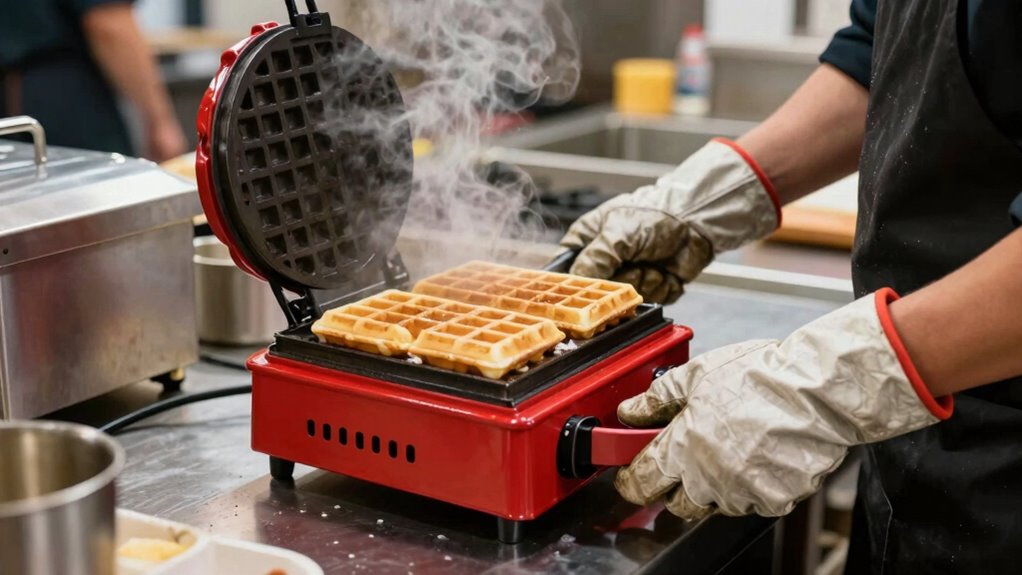
To move a hot waffle station safely, first turn off the power and unplug it, ensuring it’s fully cooled before handling. Wear heat-resistant gloves, detach removable parts carefully, and secure hot surfaces with heat-resistant blankets or insulation. Use proper tools and lift with your legs, not your back, enlisting help for heavy lifting. Keep hot surfaces protected during transit and reassemble with caution. Keep going to discover more detailed steps for a safe move.
Key Takeaways
- Turn off power, unplug, and let the station cool completely before moving.
- Cover hot surfaces with heat-resistant blankets or insulation to prevent burns.
- Use heat-resistant gloves and proper tools for disassembly and handling.
- Clear the path, secure the station, and lift with your legs to avoid injury.
- Reassemble carefully, ensure cooling, and test at low power before use.
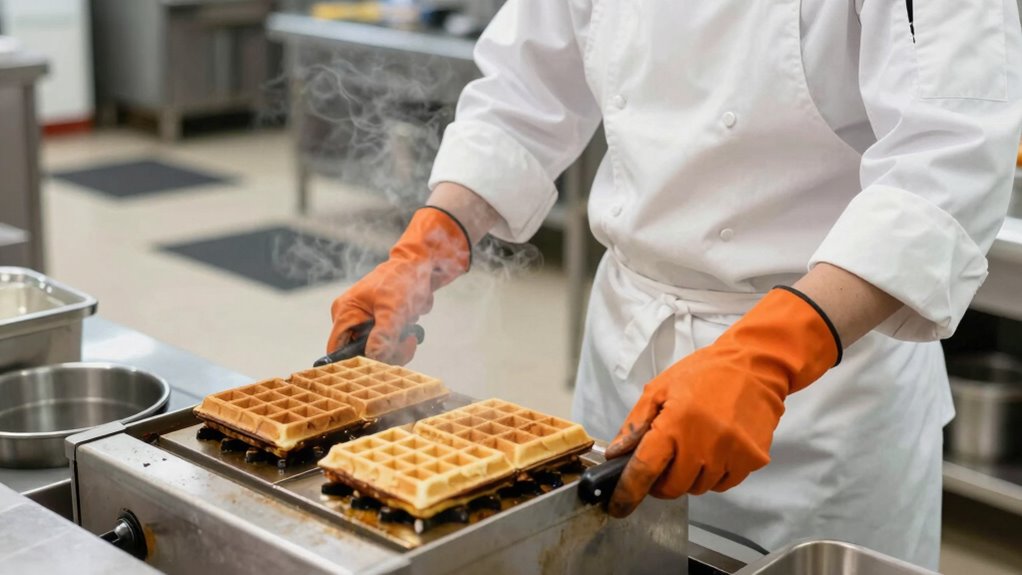
Moving a hot waffle station requires careful planning to guarantee safety and efficiency. When handling equipment that operates at high temperatures, you must prioritize safety precautions to prevent burns or other injuries. Before you start, turn off the power supply and unplug the machine to eliminate electrical hazards. Let the equipment cool down completely—rushing this step can lead to serious burns. Once cooled, carefully inspect the station for any loose parts or damages that might pose risks during the move. Make sure all moving parts are secure and that no hot surfaces are exposed.
Prioritize safety: turn off, unplug, and let the hot waffle station cool before moving.
Proper equipment handling is essential to avoid accidents. Use heat-resistant gloves to protect your hands from residual heat while disconnecting or moving parts. If the waffle station has removable components like trays or drip pans, detach them carefully and set them aside for transport. Keep a firm grip on handles and cords, and avoid forcing any parts that seem stuck or difficult to move. Use appropriate tools, like wrenches or screwdrivers, to loosen screws or bolts, ensuring you don’t damage the equipment or cause shifting that could lead to spills or burns.
As you prepare to move the station, clear a safe path free of obstacles. Lift with your legs, not your back, to prevent strain or injury. If the station is heavy, enlist help—never attempt to move it alone. Use dollies or carts designed for transporting heavy appliances, and secure the station with straps if necessary to prevent shifting during transit. Keep hot surfaces covered or insulated with heat-resistant blankets to minimize contact and accidental burns. When transporting the station, avoid tilting it excessively, as this could cause hot liquids or surfaces to spill or splash. Additionally, check the wiring basics to ensure all electrical components are properly disconnected before moving.
Throughout the move, stay alert and communicate with your team. Make sure everyone understands their role and the safety precautions involved. After reaching the new location, carefully reassemble the station, ensuring all parts are properly secured and cooled down before plugging it back in. Test the equipment at low power first to confirm it’s functioning correctly without overheating. Remember, patience and attention to safety precautions during equipment handling are key to preventing accidents and ensuring a smooth, burn-free move. By following these steps, you protect yourself and others while maintaining the integrity of the waffle station.
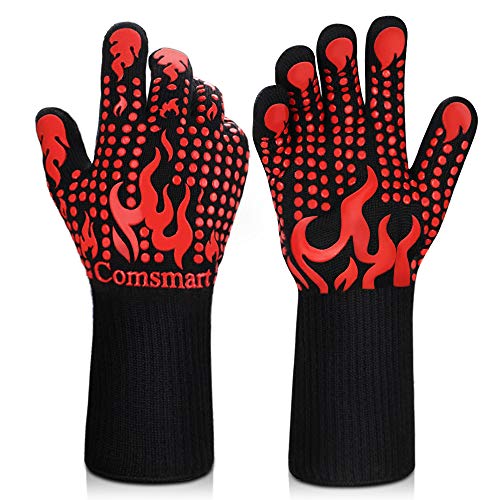
Comsmart BBQ Gloves, 1472 Degree F Heat Resistant Grilling Gloves Silicone Non-Slip Oven Gloves Long Kitchen Gloves for Barbecue, Cooking, Baking, Cutting
Heat Resistant: Our BBQ gloves are designed to provide protection for your hands while cooking, grilling, baking, or…
As an affiliate, we earn on qualifying purchases.
As an affiliate, we earn on qualifying purchases.
Frequently Asked Questions
What Safety Gear Is Recommended During the Move?
You should wear protective gloves and safety goggles when moving a hot waffle station. Protective gloves keep your hands safe from burns and hot surfaces, while safety goggles protect your eyes from splashes or steam. Always guarantee your gear fits well and is heat-resistant. Taking these precautions helps prevent injuries, making the move safer for you and those nearby. Remember, safety gear is essential when handling hot equipment.
How Long Should the Station Cool Before Moving?
You should wait at least 30 minutes for proper temperature regulation and cooling time before moving the waffle station. This guarantees the hot surfaces and equipment have cooled enough to prevent burns or accidents. During this cooling period, avoid touching hot parts and keep a safe distance. Rushing the process increases the risk of injury or damage, so be patient and allow sufficient time for the station to cool completely.
Can I Use a Dolly to Transport the Station?
Using a dolly to transport your hot waffle station is like giving it a sturdy pair of shoes—just make sure it’s compatible with your equipment. Check dolly safety guidelines and verify the wheels can handle the weight and size of your station. Properly secure the station to prevent slipping or tipping. When equipment compatibility and safety are in check, moving becomes smoother and safer for everyone involved.
What Are the Best Tools for Lifting a Hot Station?
You should use heat-resistant gloves to protect your hands from burns and lifting straps to help stabilize and evenly distribute the weight of the hot waffle station. These tools make the lifting process safer and easier, guaranteeing the risk of accidents. Always verify the station is cool enough to handle, and lift with proper technique to avoid strain. Combining gloves and straps provides maximum safety and control during the move.
How Do I Prevent Spills or Accidents During Relocation?
You can avoid spills and accidents by taking things slow and steady—don’t rush the process. Before moving, clear the area of slippery surfaces and guarantee the path is dry. Use non-slip gloves and secure the station with proper tools to prevent fire hazards. Keep a fire extinguisher nearby, and communicate with your team to coordinate movements. This way, you minimize risks and keep everyone safe during the move.

IRONPOW Folding Hand Truck Dolly – 600 LB Capacity, Heavy-Duty Wheels and Compact Design for Moving Heavy Loads in Warehouses, Offices, Homes, and Shopping
【Heavy-Duty Load Capacity】- Effortlessly supports up to 600 lbs, making it perfect for transporting heavy boxes, furniture, tools,…
As an affiliate, we earn on qualifying purchases.
As an affiliate, we earn on qualifying purchases.
Conclusion
Remember, safety comes first when moving a hot waffle station. For example, imagine you’re switching locations at a busy event; you carefully unplug the machine, use heat-resistant gloves, and move it slowly to avoid accidents. By staying cautious and following proper procedures, you guarantee everyone stays safe and your waffles stay perfect. With a little planning, you can relocate your station smoothly—making sure no one gets burned and your delicious waffles keep coming.

BSTFLEX 39 x 48 x 1/5 inches Carbon Fiber Welding Blanket Fireproof, Heat Resistant Fabric 3000°F High Temp Insulation Pad, Flame Retardant Protective Mat for Soldering Welding Brazing Plumbing
🔥The BSTFLEX Welding Blanket fireproof cloth, certified to ASTM D6413, high Quality Welding Blanket: Made of heat-resistant carbon…
As an affiliate, we earn on qualifying purchases.
As an affiliate, we earn on qualifying purchases.
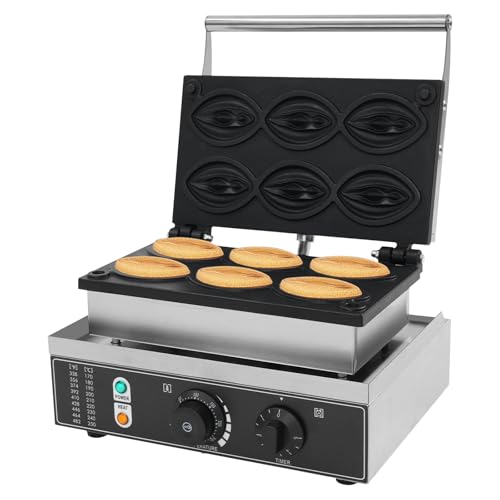
YUMIONB 1550W Waffle Maker, Electric Waffle Maker 6 Pcs Non Stick Abalone Shape Stainless Steel Commercial Strange Shape Waffle Machine Breakfast Station Breakfast Sandwich Maker for Bakeries
【Fast Heating】Using a powerful 1.55KW heating element, it only takes 5-10 minutes to preheat and 4-5 minutes to…
As an affiliate, we earn on qualifying purchases.
As an affiliate, we earn on qualifying purchases.