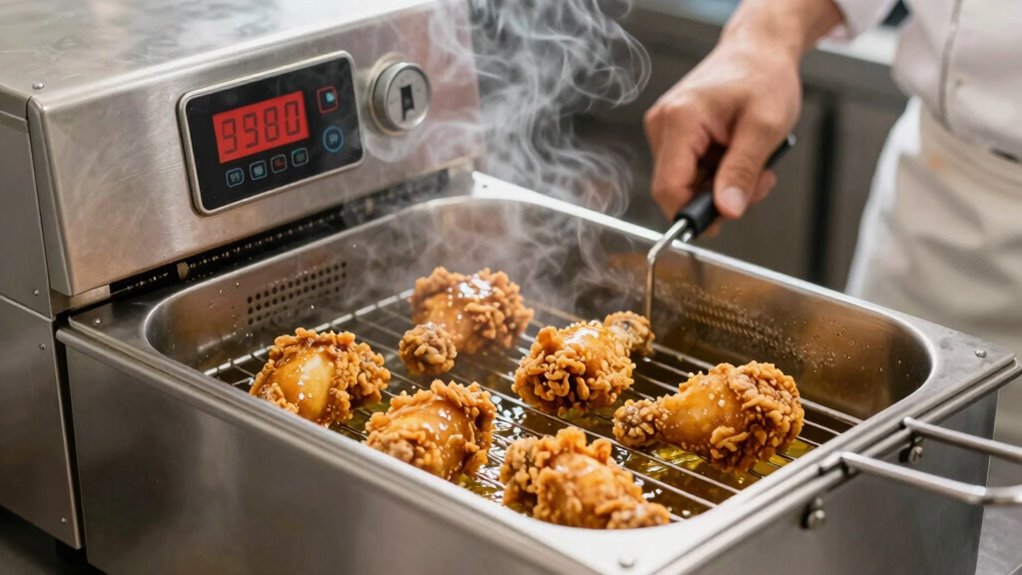

To prevent fryer oil temperature swings and keep your chicken crispy, make certain you continuously monitor and adjust your thermostat using reliable, accurate thermometers. Avoid overloading the fryer—fry smaller batches and preheat the oil thoroughly before starting. Regularly filter and replace degraded oil to maintain stable heat. Consistent maintenance and control techniques help prevent sogginess and enhance flavor, so mastering these steps is key to perfect frying—keep going for more tips to optimize your workflow.
Key Takeaways
- Regularly monitor oil temperature with accurate thermometers to detect and correct fluctuations promptly.
- Preheat oil thoroughly and avoid overloading the fryer to maintain stable heat during frying.
- Filter and replace oil frequently to prevent degradation that causes temperature swings.
- Make small, deliberate adjustments to thermostats rather than abrupt changes for consistent temperature control.
- Keep batch sizes manageable to allow the oil to recover quickly and sustain crispy, evenly cooked chicken.
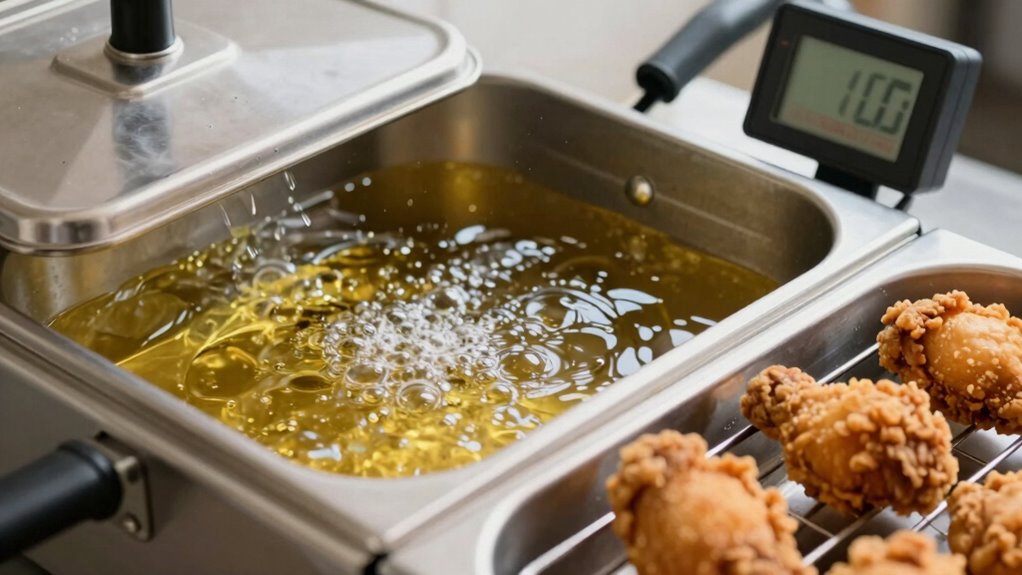
Fryer oil temperature swings can substantially impact the quality of your fried foods and the efficiency of your cooking process. When the oil temperature fluctuates, it can lead to uneven cooking, soggy textures, and even burnt flavors that ruin your dish. To prevent this, maintaining consistent fryer oil temperature is essential. Proper fryer oil maintenance isn’t just about topping off oil levels; it involves regularly filtering and replacing oil to keep it clean and functioning at its best. Old or contaminated oil doesn’t heat evenly and can cause temperature swings, so staying on top of oil quality is a critical step in ensuring your fried chicken comes out crispy every time.
Consistent fryer oil temperature is key to crisp, flavorful fried foods and overall kitchen efficiency.
Implementing effective temperature control techniques is key to stabilizing your fryer’s heat. One fundamental method is using a reliable, accurate thermometer to monitor the oil temperature constantly. Digital probes or dedicated fryer thermometers give you real-time readings, allowing you to make quick adjustments. When you notice the temperature dropping or rising beyond your target range, adjust the thermostat or heat source immediately to bring it back into balance. Keeping a close eye on the thermometer helps you respond swiftly, preventing the oil from overheating or cooling too much during busy frying periods.
Another technique involves managing batch sizes. Overloading the fryer can cause the temperature to plummet because the cold food cools the oil down faster than the heater can compensate. To avoid this, fry smaller batches, giving the oil time to recover between loads. This not only maintains consistent temperature but also ensures each piece of chicken is cooked evenly and crisply.
Preheating the oil to the desired temperature before adding food is also essential. Rushing into frying without proper preheating can create temperature dips once food is added, resulting in soggy, greasy chicken. By allowing the oil to reach your target temperature first, you establish a stable baseline. Additionally, avoid frequent, unnecessary adjustments to the thermostat, as abrupt changes can create temperature swings. Instead, make small, deliberate adjustments based on real-time readings.
Regular fryer oil maintenance, such as filtering after each use and replacing oil when necessary, helps keep the oil’s thermal properties stable. Dirty, degraded oil doesn’t heat evenly, leading to unpredictable temperature swings. When you stay diligent with oil maintenance and employ sound temperature control techniques, you’ll notice a marked improvement in your fried chicken’s crispiness, flavor, and overall quality. Consistent oil temperature isn’t just about convenience; it’s the secret to achieving that perfect, golden, crispy exterior every single time. Additionally, understanding how fryer oil composition affects heat transfer can help optimize your frying process for consistent results.
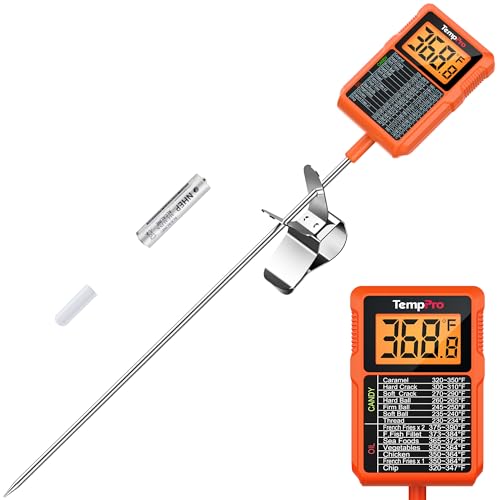
TempPro TP510 Waterproof Digital Candy Thermometer with Pot Clip, 10" Long Probe Instant Read Food Cooking Meat Thermometer for Grilling Smoker BBQ Deep Fry Oil Thermometer(Previously ThermoPro)
【Backlit 90° Rotating Display】The large 90-degree rotating screen enables effortless angle adjustment for optimal visibility, while the backlight…
As an affiliate, we earn on qualifying purchases.
As an affiliate, we earn on qualifying purchases.
Frequently Asked Questions
How Do Temperature Swings Affect Frying Safety?
Temperature swings can compromise frying safety by affecting oil stability and making it harder to maintain consistent temperature regulation. When oil overheats, it risks fires or degradation, while low temperatures can lead to undercooked food and bacteria growth. To keep safety intact, you need to monitor and control the fryer’s temperature closely, ensuring oil stays within the safe range. Proper workflow helps prevent dangerous swings and keeps your frying process safe.
What Equipment Can Prevent Oil Temperature Fluctuations?
Did you know that improper oil management can cause temperature fluctuations of up to 50°F? To prevent this, you should invest in high-quality fryers with precise temperature controls. Regular equipment calibration guarantees your fryer maintains consistent heat, reducing swings. Using equipment designed for stable temperature regulation keeps your chicken crispy and safe, while also extending oil life. Properly calibrated equipment is essential for consistent frying results and efficient kitchen operations.
How Often Should Fryer Oil Be Checked for Temperature Consistency?
You should check your fryer oil for temperature consistency at least every 30 minutes during operation. Regular oil testing and temperature monitoring help you catch fluctuations early, ensuring your chicken stays crispy and cooked evenly. Use a reliable thermometer to verify the oil’s temperature, and record these checks to maintain ideal frying conditions. Consistent monitoring prevents over- or under-heating, keeping your fried foods perfect every time.
Can Oil Temperature Swings Impact Chicken Flavor?
Imagine your chicken as a delicate melody, and the oil temperature swings as discordant notes. These fluctuations can indeed impact the flavor, muffling the oil’s ability to preserve the chicken’s true taste. When oil quality varies with temperature, it hampers flavor preservation, leaving your chicken tasting less vibrant. To keep that harmony, maintain consistent fryer temperatures, ensuring each bite remains flavorful and perfectly crispy.
What Training Is Recommended for Staff to Manage Temperature Stability?
You should implement thorough training modules that focus on maintaining fryer temperature stability. Guarantee your staff receives certification in proper oil management, including monitoring and adjusting temperatures regularly. Hands-on practice and clear procedures help staff recognize and correct temperature swings promptly. By investing in these training modules and staff certification, you empower your team to keep oil at ideal levels, resulting in consistently crispy chicken and improved overall quality.
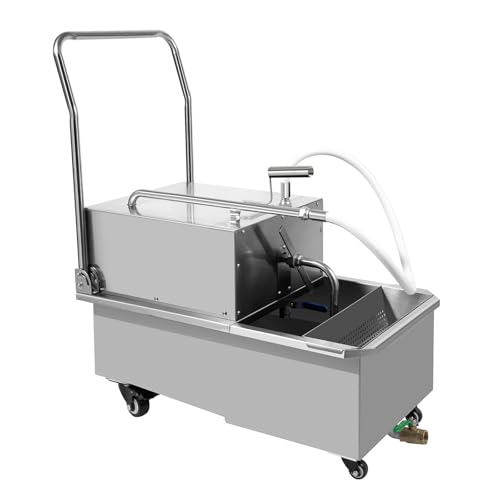
550W 110V Stainless Steel Commercial Fryer Filter Machine, 55L/14.53 Gal Commercial Oil Filler Cart Truck Separator Cooking Oil Filtration System, Mobile Fryer Filter Machine, for Restaurant
🔥【Large Capacity】The oil storage tank measures 27.95*15.35*9.06 inches and can hold up to 14.53 gallons of oil at…
As an affiliate, we earn on qualifying purchases.
As an affiliate, we earn on qualifying purchases.
Conclusion
By stabilizing your fryer oil temperature, you prevent soggy chicken and wasted oil, ensuring every piece is crispy and golden. It’s a simple fix that transforms chaos into consistency, much like turning a rollercoaster into a smooth ride. When your workflow stays steady, your chicken stays perfect—crisp on the outside, juicy inside. Embrace this change, and watch your quality soar, proving that even small tweaks can turn a messy process into a masterful one.

Triplett TMP230 Deep Fryer Oil Tester – Simultaneously Displays Temperature and TPM (Total Polar Materials)
Simultaneously displays Temperature and TPM (Total Polar Materials)
As an affiliate, we earn on qualifying purchases.
As an affiliate, we earn on qualifying purchases.
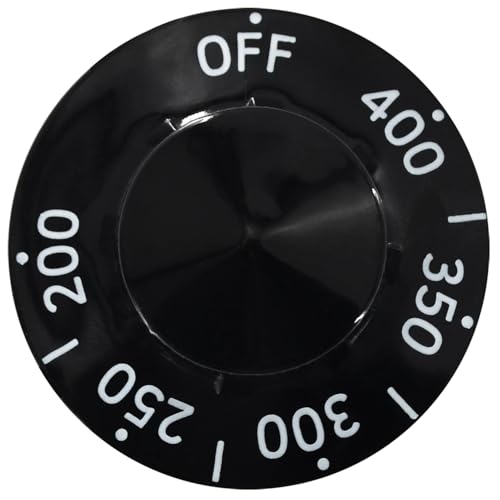
ZNTVW APW 300229 Thermostat Stove Knob Dial – Off/200-400°F Replacement Part Control for Fryers Braising Pan Range Oven Kitchen Burner Accessories(1PC)
Worth Buying: Thermostat Knob APW 300229 lets you control the heat of the surface burner on the range….
As an affiliate, we earn on qualifying purchases.
As an affiliate, we earn on qualifying purchases.