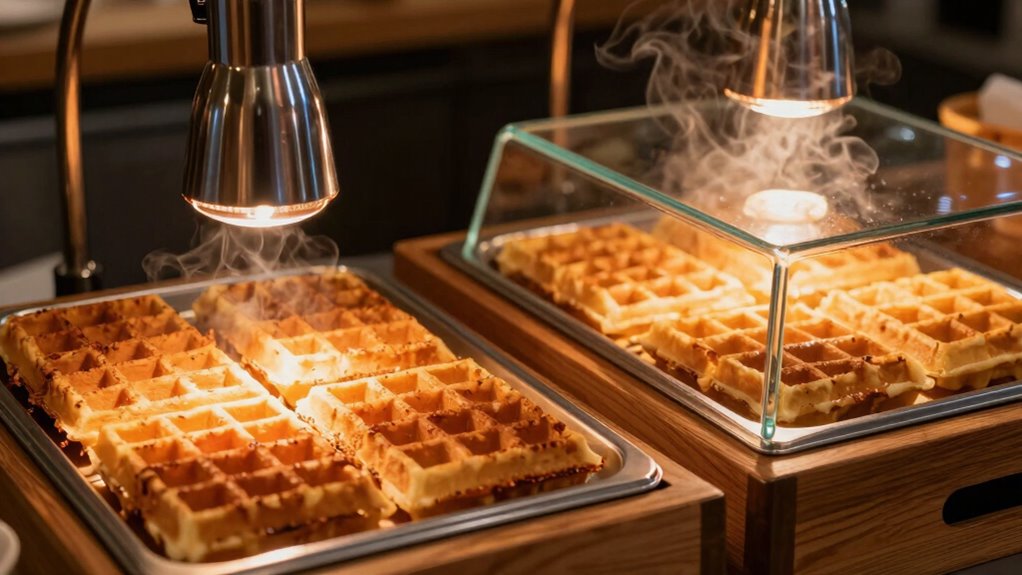
If you want to keep waffles crispy during service, warming drawers are your best choice. They provide gentle, even heat that preserves texture and appearance, preventing sogginess or drying out. Heat lamps warm quickly but often cause uneven heating and soggy spots, reducing presentation quality. If you’re focused on maintaining crispness and efficiency, warming drawers offer a better solution. Keep exploring to discover more about how each option can fit your specific needs.
Key Takeaways
- Warming drawers provide even, gentle heat that better preserves waffle crispness and appearance during extended holding times.
- Heat lamps emit radiant heat quickly but can cause uneven warming, leading to soggy or dried areas on waffles.
- Warming drawers maintain a consistent temperature, reducing the risk of sogginess and helping keep waffles visually appealing.
- Heat lamps are more suitable for short-term warming and quick service, but may compromise waffle texture and presentation.
- Warming drawers are more energy-efficient and better for maintaining waffle quality over longer periods in real service.
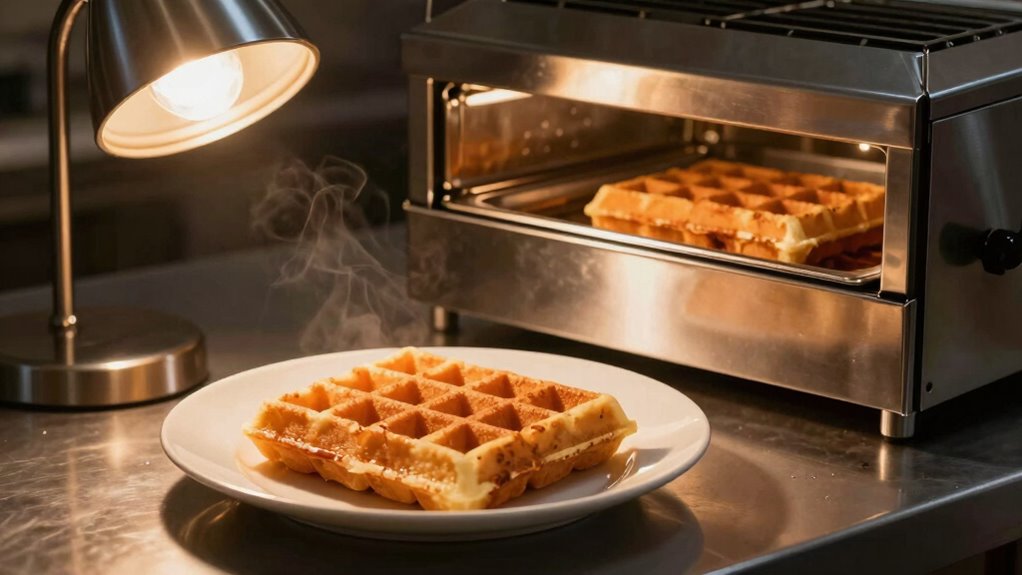
When it comes to keeping food warm, you have two popular options: heat lamps and warming drawers. Both serve their purpose well, but they differ considerably in how they impact plate presentation and energy efficiency, especially when it comes to delicate foods like waffles. Your choice can influence not only the visual appeal of your dish but also the operational costs of your setup.
Heat lamps are a quick and straightforward solution. They emit radiant heat directly onto the food, which helps maintain a warm temperature without much fuss. When serving waffles, a heat lamp can keep them crisp on the outside while staying warm for a short period. However, because heat lamps often produce uneven heat distribution, they can sometimes cause parts of the waffle to become soggy or over-dried if left under the lamp too long. This can negatively affect plate presentation, making the waffles look less appealing and less appetizing. Moreover, heat lamps tend to consume more energy, especially if they’re kept on for extended periods, which can lead to higher operational costs. If your priority is quick service and maintaining a crisp exterior, a heat lamp can be effective, but only if monitored carefully.
On the other hand, warming drawers offer a more controlled environment. They gently and evenly keep food warm, which is excellent for preserving the waffle’s texture and visual appeal. When waffles stay in a warming drawer, they’re less likely to lose their crispness or become soggy, ensuring every plate looks as appetizing as intended. This even heat distribution enhances plate presentation by keeping the food looking fresh and inviting. Additionally, warming drawers are generally more energy-efficient than heat lamps because they maintain a consistent temperature without the need for intense radiant heat. This means you can keep waffles warm for longer periods without substantially increasing your energy consumption, making them a better choice for long service hours or when preparing large batches.
Furthermore, selecting an energy-efficient warming drawer aligns with the principles of energy efficiency and sustainable operation, helping reduce overall operational costs. Choosing between a heat lamp and a warming drawer depends on your specific needs. If your priority is quick turnover and you’re serving small portions, a heat lamp might be the way to go. But if you want to ensure the utmost plate presentation and save on energy costs, a warming drawer is likely the better investment. Both options have their pros and cons, but understanding how they influence the visual appeal of your waffles and your energy usage helps you make an informed decision. Ultimately, the right choice will keep your waffles crisp, inviting, and efficiently served.

VEVOR Commercial Electric Drawer Warmer, Single-Drawer Stainless Steel Food Warmer, Freestanding Compact Warming Drawer Cabinet, 85°F–185°F Wide Temperature Range, for Restaurant, Hotel & Bakery
Keep Food at Ideal Temperature: This commercial warming drawer maintains consistent heat to keep food warm and fresh….
As an affiliate, we earn on qualifying purchases.
As an affiliate, we earn on qualifying purchases.
Frequently Asked Questions
Which Method Is More Energy-Efficient for Keeping Waffles Crisp?
You’ll find the warming drawer more energy-efficient for keeping waffles crisp because it uses less energy than a heat lamp. The cost comparison shows that warming drawers consume less electricity, saving you money on energy bills over time. Plus, they provide consistent heat, helping maintain crispness without wasting power. So, if energy consumption matters, opt for a warming drawer for better efficiency and cost savings.
How Do Ambient Room Conditions Affect Each Warming Method?
Ambient temperature and humidity levels greatly impact how each warming method performs. Higher humidity can cause waffles to become soggy, especially under a heat lamp, which exposes them to moisture. Warming drawers maintain a more controlled environment, helping keep waffles crisp despite fluctuating ambient conditions. If the room’s warm and humid, you’ll find that a warming drawer better preserves waffle texture, while a heat lamp may struggle with excess moisture.
Can Heat Lamps or Warming Drawers Cause Waffle Sogginess?
If you leave waffles under a heat lamp too long, they can become soggy because heat encourages moisture absorption, softening their texture. For example, a café noticed their waffles lost crispness after 10 minutes under a heat lamp, turning chewy. Warming drawers, if poorly ventilated, can trap steam, also causing sogginess. To keep waffles crisp, monitor time and make sure proper airflow, preventing moisture buildup that harms waffle texture.
Are There Safety Concerns With Using Heat Lamps or Warming Drawers?
Yes, there are safety concerns with using heat lamps or warming drawers. You should watch out for electrical hazards like exposed wiring or faulty connections, which can cause shocks. Fire risks are also present if the equipment overheats or is left unattended. Always guarantee proper maintenance, follow manufacturer instructions, and keep the area clear of flammable materials to minimize these dangers and keep your setup safe.
How Do Cleaning and Maintenance Differ Between the Two Options?
You might think cleaning routines are a breeze, but the truth is, maintaining a heat lamp is a bit messier than a warming drawer. Heat lamps require regular bulb checks, wiping down glass, and ensuring electrical components stay safe, while warming drawers often just need occasional interior wipes and filter checks. Maintenance schedules for heat lamps are more frequent, making them slightly more high-maintenance than the easier-to-clean warming drawer.
![Food Heat Lamp [Fast & Uniform Heating] [Compact Design] Commercial Food Warmer Light, 250W Heat Lamp for Food, Warming Lamp for Parties, Buffet, Restaurant, Kitchen, Home Use (Black)](https://m.media-amazon.com/images/I/41iSS-GDWOL._SL500_.jpg)
Food Heat Lamp [Fast & Uniform Heating] [Compact Design] Commercial Food Warmer Light, 250W Heat Lamp for Food, Warming Lamp for Parties, Buffet, Restaurant, Kitchen, Home Use (Black)
[FAST & UNIFORM HEATING] The food heating lamp can quickly heat up in just 5 seconds while maintaining…
As an affiliate, we earn on qualifying purchases.
As an affiliate, we earn on qualifying purchases.
Conclusion
So, which option truly keeps your waffles crisp in real service? The heat lamp’s quick, radiant warmth might seem like the answer, but the warming drawer’s consistent, gentle heat could surprise you. Will one outperform the other in real-world conditions? The choice isn’t clear-cut. It’s a game of timing, temperature, and patience. And in the end, only you can decide—because your waffles deserve the perfect finish. Are you ready to find out which keeps them crisp?

VEVOR Commercial Electric Drawer Warmer, Two-Drawer Stainless Steel Food Warmer, Freestanding Standard Warming Drawer Cabinet, 85°F–185°F Wide Temperature Range, for Restaurant, Hotel Buffet & Bakery
Keep Food at Ideal Temperature: This commercial warming drawer maintains consistent heat to keep food warm and fresh….
As an affiliate, we earn on qualifying purchases.
As an affiliate, we earn on qualifying purchases.
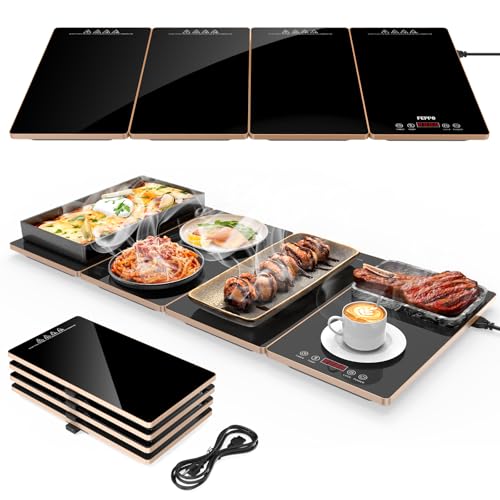
FEPPO Electric Warming Tray, 4-in-1 Food Warmers for Parties Buffet with 10 Temp Settings and Timer, 33"x15" Glass Surface Warming Mat for Food, Modular Buffet Hot Plates for Catering and Gatherings
Modular, Expandable & Easy to Store – Built for Buffets & Gatherings: The FEPPO modular food warming system…
As an affiliate, we earn on qualifying purchases.
As an affiliate, we earn on qualifying purchases.