
TL;DR

Get baking supplies delivered free with Prime
- Fast, free delivery on millions of items
- Prime Video, Amazon Music and more included
- Member-only deals all year
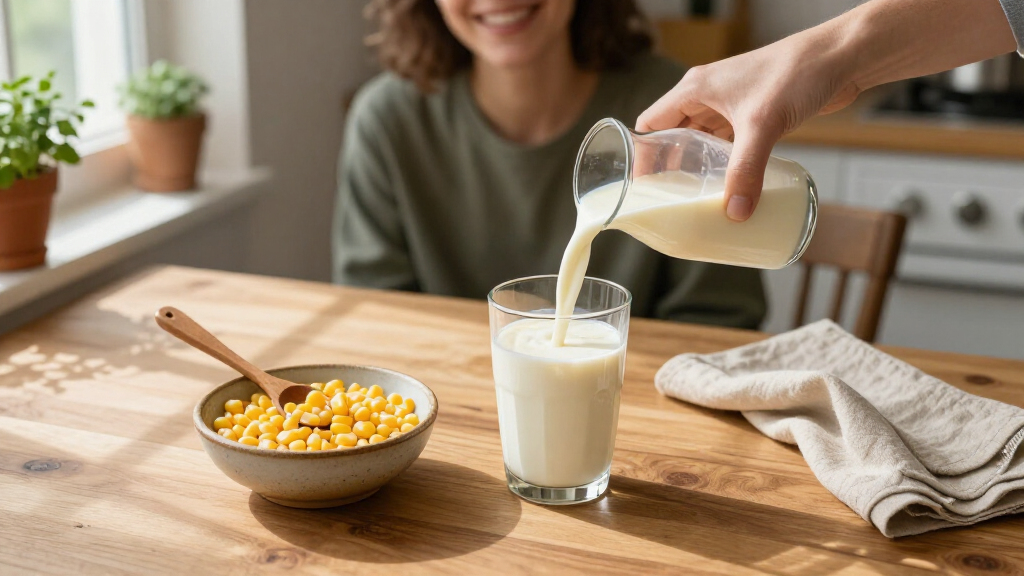
Search interest in corn milk has surged, prompting questions about its health benefits. A nutritionist has responded, emphasizing the need for more research before classifying it as a superfood.
Interest in corn milk as a potential superfood has surged in recent weeks, prompting widespread media coverage and consumer curiosity. A nutritionist has publicly responded to these claims, emphasizing that while corn milk contains some nutrients, it should not yet be classified as a superfood without further scientific evidence.
The rising trend of corn milk, a plant-based beverage made from corn, has been reflected in increased online searches and media articles. Experts note that corn milk is rich in certain nutrients like carbohydrates and some vitamins, but there is no scientific consensus confirming it offers unique health benefits that surpass other plant-based milks.
Nutritionists caution consumers against prematurely labeling corn milk as a superfood, emphasizing that the current evidence is limited. They highlight that the beverage can be part of a balanced diet but should not replace more established nutrient sources without additional research.
Health authorities and industry experts agree that more comprehensive studies are needed to determine any specific health claims associated with corn milk, including its impact on chronic disease prevention or overall nutrition.
Why the Corn Milk Trend Matters for Consumers
The recent spike in interest reflects a broader consumer trend towards plant-based and alternative milks. If corn milk were validated as a superfood, it could influence dietary choices and product markets significantly. However, health experts warn that hype without scientific backing can lead to misconceptions, underscoring the importance of evidence-based nutrition advice.
Understanding whether corn milk has genuine health benefits could impact food labeling, marketing, and consumer trust. For now, experts advise moderation and caution, emphasizing that no single food should be considered a miracle cure or a superfood without rigorous scientific validation.
As an affiliate, we earn on qualifying purchases.
Background on Corn Milk and Its Growing Popularity
Corn milk is a relatively new addition to the array of plant-based beverages, gaining popularity in recent years among consumers seeking dairy alternatives. Its emergence coincides with increased interest in sustainable, gluten-free, and allergen-friendly products. The trend has gained momentum partly due to social media discussions and coverage of health claims, although these claims remain largely unverified.
Prior to this trend, other plant-based milks like almond, soy, and oat milk dominated the market, with well-established nutritional profiles. Corn milk’s rise is considered part of a broader shift towards diverse, alternative dietary options, though its nutritional credentials are still under scrutiny.
The current attention appears to be driven by consumer curiosity and media coverage, rather than official endorsements or scientific consensus, making expert opinions especially relevant now.
Unverified Claims and Scientific Evidence Gaps
It is not yet clear whether corn milk offers unique or superior health benefits compared to other plant-based beverages. Scientific studies on its nutritional profile and health effects are limited, and no official health claims have been validated by research or regulatory authorities. The recent trend appears to be driven largely by consumer interest and media coverage, rather than confirmed scientific evidence.
Experts agree that more rigorous, peer-reviewed studies are needed to substantiate any health or nutritional claims associated with corn milk.
Future Research and Market Developments for Corn Milk
Researchers are expected to conduct more detailed studies on the nutritional composition of corn milk and its potential health impacts in the coming months. Meanwhile, industry players may continue to market it as a novel alternative, but with caution regarding health claims. Consumers are advised to stay informed and rely on evidence-based guidance until more definitive data becomes available.
Regulatory agencies might also evaluate current claims and consider guidelines for marketing corn milk, especially if scientific evidence emerges to support or refute its superfood status.
Key Questions
Is corn milk healthier than other plant-based milks?
Currently, there is no conclusive scientific evidence to suggest that corn milk is healthier than other plant-based milks like almond or oat milk. It can be part of a balanced diet, but claims of superior health benefits are unverified.
Can I replace my regular milk with corn milk?
While corn milk can be a dairy alternative, it should not be seen as a direct nutritional substitute for cow’s milk or other fortified plant-based milks without considering its nutritional profile. Consult a healthcare professional for personalized advice.
Are there any risks associated with drinking corn milk?
There are no known significant risks from consuming corn milk in moderation. However, as with any new food, individuals with allergies or sensitivities should check ingredient lists and consult healthcare providers if unsure.
Will corn milk be officially recognized as a superfood?
At this stage, no. Scientific research and regulatory review are needed before any food can be officially classified as a superfood. The current trend is primarily consumer-driven and not yet supported by conclusive evidence.
Source: rss
Fall Picks
fall essentials
As an affiliate, we earn on qualifying purchases.