
TL;DR

Get baking supplies delivered free with Prime
- Fast, free delivery on millions of items
- Prime Video, Amazon Music and more included
- Member-only deals all year
Pane guttiau, a traditional Sardinian flatbread, is experiencing increased interest both locally and internationally. Known for its simple ingredients and crispy texture, it reflects Sardinia’s culinary heritage. This development highlights growing appreciation for regional foods.
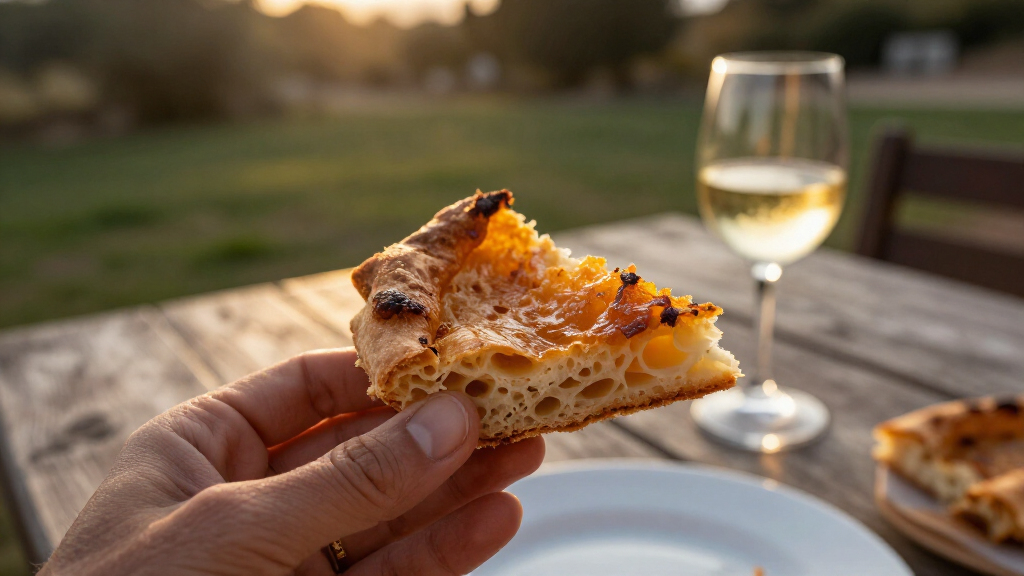
Pane guttiau, a traditional Sardinian flatbread topped with olive oil and salt, is experiencing a resurgence in popularity. This simple, crispy bread, rooted in Sardinia’s culinary history, is drawing attention from food enthusiasts and tourists alike. Its renewed recognition underscores the island’s efforts to preserve and promote regional food heritage, making it a notable development in Sardinian cuisine in 2024.
Confirmed by local chefs and cultural officials, pane guttiau is a Sardinian bread made from basic ingredients: flour, water, salt, and olive oil. Traditionally baked on hot stones or in wood-fired ovens, it is characterized by its thin, crispy texture. Recent festivals and media coverage have spotlighted its cultural importance, with several Sardinian towns hosting events dedicated to its history and preparation. Experts emphasize that this bread has been a staple in Sardinian households for centuries, often served as an accompaniment to meals or as a snack.In recent months, culinary tourism initiatives have included pane guttiau as a highlight, attracting visitors eager to experience authentic local foods. Chefs and food writers have praised its flavor profile, which combines the richness of Sardinian olive oil with the crunch of well-baked bread. Despite its simplicity, the bread’s preparation requires skill, particularly in achieving the perfect crispness without burning. Local artisans have also begun producing artisanal versions, further fueling its popularity.
Cultural Revival and Economic Impact of Pane Guttiau
The renewed interest in pane guttiau highlights Sardinia’s broader efforts to preserve its culinary traditions amid increasing globalization. As a symbol of regional identity, its popularity can boost local economies through tourism, artisanal production, and food exports. The bread’s recognition also raises awareness of Sardinia’s rich cultural heritage, fostering pride among residents and attracting international visitors seeking authentic experiences.
As an affiliate, we earn on qualifying purchases.
Historical Roots and Modern Revival of Sardinian Bread
Pane guttiau has been a part of Sardinian cuisine for centuries, originally prepared by shepherds and farmers using locally available ingredients. Its name derives from the Sardinian word ‘guttiau,’ meaning ‘drizzled,’ referring to the olive oil topping. Historically, it was baked in wood-fired ovens or on hot stones, methods still used today by artisans aiming for traditional authenticity. Over time, the bread became a staple at festivals, family gatherings, and daily meals, symbolizing Sardinian hospitality and resourcefulness.
In recent years, increased media coverage and regional festivals have rekindled interest in this traditional food, positioning it as a cultural emblem. The Sardinian government and cultural organizations have supported initiatives to document and promote its heritage, including culinary workshops and promotional campaigns. This revival aligns with broader trends toward regional food appreciation and sustainable, artisanal food production.
“Getting the perfect crunch requires skill; the bread must be baked at just the right temperature to avoid burning while maintaining crispness.”
— Luigi Esposito, local baker
Unclear Extent of International Recognition and Commercialization
While regional interest and media attention have increased, it is not yet clear how widely pane guttiau will be adopted outside Sardinia or how it will be commercialized on a larger scale. Some experts question whether artisanal and small-scale production can meet rising demand without compromising authenticity or quality. Additionally, the long-term impact of tourism-focused promotion on local communities and traditional practices remains uncertain.
Future Promotion and Potential Export of Sardinian Bread
Regional authorities plan to continue promoting pane guttiau through festivals, culinary tours, and media campaigns. There are also discussions about developing artisanal production brands for export, aiming to introduce the bread to international markets. Researchers and cultural organizations will monitor how these initiatives influence the preservation of traditional methods and local economies. Expect further media features and possibly new certifications recognizing its cultural significance in the coming months.
Key Questions
What are the main ingredients of pane guttiau?
The main ingredients are flour, water, salt, and Sardinian olive oil. No preservatives or additives are traditionally used.
How is pane guttiau traditionally prepared?
It is baked on hot stones or in wood-fired ovens until thin and crispy, then drizzled with olive oil and sprinkled with salt.
Why is pane guttiau considered culturally significant?
It reflects Sardinia’s culinary history, resourcefulness, and regional identity, often served during festivals and family gatherings for centuries.
Can I find authentic pane guttiau outside Sardinia?
Currently, it is mostly available in Sardinian bakeries and festivals. Some artisanal producers abroad are beginning to offer versions, but authenticity varies.
Are there any health considerations with pane guttiau?
As it is made with simple ingredients, it is generally healthy if consumed in moderation. However, its crispy nature means it is high in carbohydrates and fats from olive oil.
Source: rss
Halloween Picks
halloween
As an affiliate, we earn on qualifying purchases.