
Wattage alone doesn’t tell you if a waffle maker is good because it mostly shows how fast it heats up, not how evenly it cooks or the quality of your waffles. Factors like heat distribution, design, and temperature control are just as important, if not more so. A lower-wattage model with smart features can outperform a high-wattage machine. To find the best option, you need to look at the whole package—there’s more to evaluate beyond wattage.

Get baking supplies delivered free with Prime
- Fast, free delivery on millions of items
- Prime Video, Amazon Music and more included
- Member-only deals all year
Key Takeaways
- Wattage indicates heating speed but doesn’t reflect heat distribution or baking quality.
- Design features like heating element placement impact waffle results more than wattage.
- Effective temperature control and materials influence consistency regardless of wattage.
- Energy efficiency depends on insulation and heat regulation, not just high wattage.
- User reviews and overall build quality better predict performance than wattage alone.

When choosing a waffle maker, understanding wattage is essential because it directly impacts how quickly and effectively your appliance cooks. Higher wattage typically means more power, which can lead to faster heating and potentially better baking performance. However, wattage alone doesn’t tell the whole story about a waffle maker’s quality or suitability for your needs. Just because a machine has a high wattage doesn’t mean it will produce better waffles or operate more efficiently. Many factors influence overall performance, including the design of the heating elements, the temperature control system, and the construction of the plates.
Energy efficiency is another critical consideration. A waffle maker with a very high wattage might heat up quickly, but it can also consume more electricity, leading to higher utility bills. Conversely, a lower wattage appliance could be more energy-efficient, especially if it maintains consistent heat and cooks your waffles evenly. The key is finding a balance where the waffle maker provides good baking performance without wasting energy. Sometimes, a well-designed lower-wattage model can outperform a high-wattage one because of superior insulation or more precise temperature regulation.
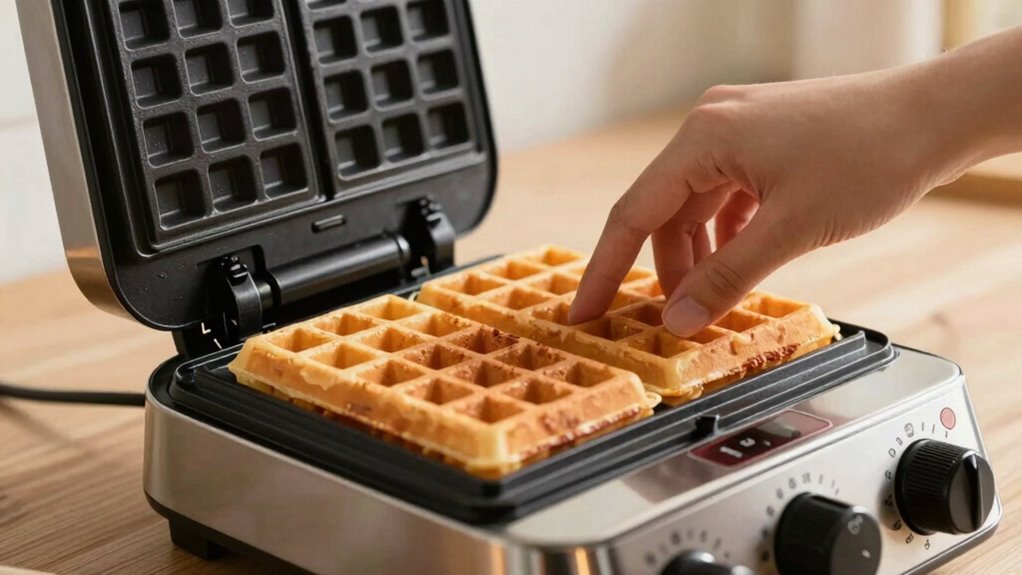
Furthermore, heating element design plays a vital role in how evenly the heat is distributed across the plates, which directly affects waffle quality. It’s also important to understand that wattage doesn’t directly measure how well a waffle maker will cook your waffles. You might see a machine with 1500 watts, but if it has uneven heating or poor temperature control, your waffles could turn out inconsistent or burnt. On the other hand, a 1000-watt waffle maker with smarter engineering can deliver equally, if not more, reliable results. The quality of the heating plates, the material they’re made from, and how evenly they distribute heat all play significant roles in baking performance.
Another factor to consider is the temperature regulation system, which can greatly influence the consistency of your waffles. Additionally, design features such as adjustable temperature controls or non-stick coatings can enhance the overall cooking experience. A well-designed waffle maker may also incorporate smart technology that helps optimize cooking times and temperature settings for different waffle styles. Being aware of user reviews and detailed product specifications can also provide valuable insights beyond wattage alone. Look for reviews that mention consistent results, ease of use, and energy savings. These factors often indicate a well-designed appliance that maximizes its wattage potential. Remember, the goal isn’t just to get the most power but to find a waffle maker that balances wattage, design, and features to meet your cooking needs efficiently. Wattage is a helpful starting point, but it’s not a definitive metric of a good waffle maker. Instead, focus on the overall build quality, heat distribution, and user feedback to choose an appliance that truly performs well and offers good energy efficiency.
Products Worth Considering

Cuisinart Compact 2 Lb. Automatic Programmable Bread Maker

Ninja CREAMi 7-in-1 Ice Cream Maker, NC299AMZ

Instant Pot Duo Crisp 8-Quart 11-in-1 Air Fryer and Pressure Cooker
As an affiliate, we earn on qualifying purchases.
Frequently Asked Questions
Can a Lower Wattage Waffle Maker Still Produce Great Waffles?
Yes, a lower wattage waffle maker can still produce great waffles. Wattage isn’t the only factor affecting waffle quality and cooking consistency. Instead, focus on the design, heating elements, and how evenly it distributes heat. A well-made lower wattage waffle maker can deliver consistent results and delicious waffles, provided it heats up properly and maintains steady temperature control. So, don’t dismiss lower wattage models without considering these other important features.
Does Higher Wattage Mean Faster Waffle Cooking Times?
Like a race car’s engine, higher wattage can suggest faster cooking, but it’s not the whole story. Power consumption and heating efficiency matter more. A high-wattage waffle maker may heat quickly, but if it isn’t efficient, it won’t cook evenly or save energy. So, don’t just chase higher wattage—look for a model with good heating efficiency to guarantee your waffles come out perfect and promptly.
Are Expensive Waffle Makers Necessarily Better Than Cheaper Ones?
Expensive waffle makers aren’t necessarily better than cheaper ones. You should consider brand reputation and design aesthetics when choosing. A well-known brand often offers reliable performance and durability, while attractive design aesthetics can match your kitchen style. Sometimes, budget options deliver excellent results if they have good reviews and features you need. Focus on performance and features rather than price alone, ensuring your waffle maker suits your preferences and needs.
How Does Wattage Affect the Waffle Maker’s Energy Efficiency?
Wattage is like the engine size of a car—it impacts energy consumption and power efficiency. A higher wattage waffle maker may heat faster but can use more power, making it less energy-efficient. Conversely, a lower wattage model might take longer to heat but consume less energy overall. So, you should look for a balance between wattage and performance to maximize energy efficiency and save on costs.
What Other Features Matter More Than Wattage in a Waffle Maker?
You should prioritize brand reputation and customer reviews over wattage when choosing a waffle maker. A well-known brand often guarantees quality and durability, while positive reviews indicate user satisfaction with features like even heating, adjustable browning control, and easy cleaning. These factors impact performance more than wattage alone. Focus on these aspects to find a waffle maker that meets your needs and lasts longer.
Conclusion
Remember, wattage whispers little about a waffle maker’s worth. Don’t be dazzled solely by its power; instead, consider the craft, capacity, and customer comments. A modest model might just master the art of perfect waffles, while a high-wattage machine could fall flat. So, sift through specs, scrutinize reviews, and seek solid suggestions. Ultimately, your choice should be about balance—brilliance beyond wattage’s whisper, bringing beautiful breakfasts without breaking the bank.