
Almond skin supplementation is a simple way to boost your intake of antioxidants and enhance natural color, which supports cellular health and reduces inflammation. Choosing minimally processed almonds or specific supplements preserves these essential nutrients, especially in darker skins rich in phytochemicals. Incorporating almond skins into your diet can improve digestion and immune support. If you want to learn more about maximizing these benefits through your dietary choices, keep exploring your options.
Key Takeaways
- Supplementing with almond skin provides concentrated antioxidants and phytochemicals to enhance overall health.
- Choosing minimally processed or raw almond skin products preserves their natural color and high antioxidant content.
- Darker almond skins typically contain higher levels of flavonoids, boosting antioxidant intake and visual appeal.
- Proper processing methods, like gentle roasting or no heat, help retain the skin’s nutritional and color properties.
- Incorporating almond skin supplements simplifies consistent intake of fiber and antioxidant-rich compounds for wellness.
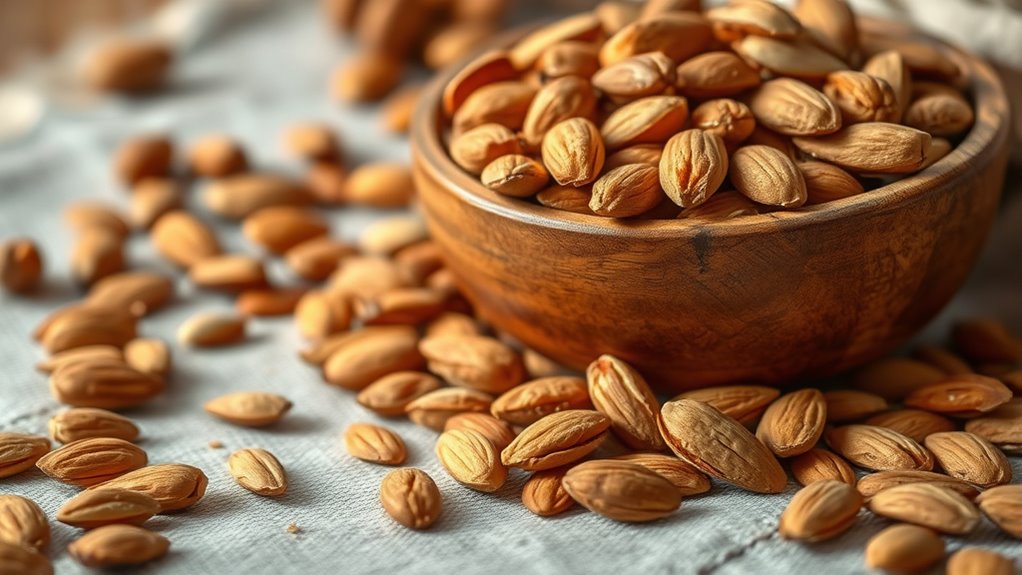
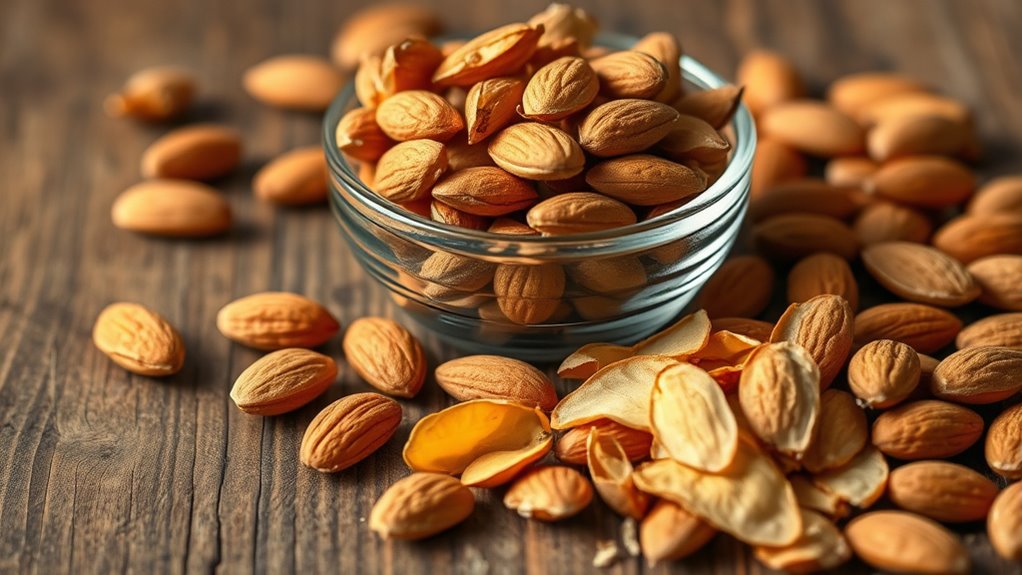
Have you ever considered that almond skins might offer more health benefits than just their crunchy texture? When you look at almonds, it’s easy to focus on the nut itself, but the skin holds a treasure trove of nutritional benefits that can boost your overall health. Almond skins are rich in antioxidants, fiber, and phytochemicals, making them a valuable addition to your diet. Incorporating these skins through supplementation can help you harness these benefits more efficiently, but understanding the processing methods involved is key. Different processing techniques can influence the nutritional content of almond skins, either preserving or diminishing their health-promoting compounds. For example, raw almonds retain most of their antioxidants, while roasting at high temperatures can degrade some of these beneficial components. If you’re seeking maximum health benefits, opting for minimally processed almonds or those processed with gentle methods can be advantageous.
Research also indicates that processing methods play a significant role in maintaining the antioxidant levels in almond skins, emphasizing the importance of choosing products with minimal processing. When you consume almond skins, you’re actively contributing to your antioxidant intake, which plays a vital role in neutralizing free radicals that cause oxidative stress. This oxidative stress is linked to aging and various chronic diseases, so including almond skins in your diet can serve as a natural defense mechanism. Additionally, the fiber content in almond skins supports healthy digestion and promotes feelings of fullness, aiding in weight management. The phytochemicals present, such as flavonoids and phenolics, also contribute to reducing inflammation, which is at the root of many health issues. By choosing almond skin supplements, you’re making it easier to regularly include these nutrients without the need to peel or process almonds yourself.
Furthermore, the color of almond skins isn’t just visually appealing; it’s indicative of their rich phytochemical profile. Darker skins often contain higher concentrations of antioxidants, meaning you can tailor your intake based on the intensity of the color. When considering supplementation, look for products that specify minimal processing or are derived from raw almonds, ensuring you’re getting the most nutritional benefits. This way, you maximize the antioxidant potential and nutritional value of almond skins, supporting your overall health and wellness goals. In essence, paying attention to processing methods and choosing high-quality supplements allows you to tap into the full potential of almond skins, turning a simple snack into a powerful health booster.

HAMDARD Almond Oil Veg 60 Capsules
It helps in strengthens the bones and maintains their health.
As an affiliate, we earn on qualifying purchases.
As an affiliate, we earn on qualifying purchases.
Frequently Asked Questions
Can Almond Skin Supplementation Cause Allergic Reactions?
Yes, almond skin supplementation can cause allergic reactions if you’re allergic to almonds or have a high allergenic risk. You might experience cross reactivity with other tree nuts, which could worsen symptoms. Always check ingredient labels and consult with a healthcare professional before adding almond skin supplements to your diet, especially if you have known nut allergies. Being cautious helps prevent potential allergic responses.
How Does Almond Skin Compare to Other Antioxidant Sources?
Almond skin has a high comparative antioxidant capacity, making it an excellent antioxidant source compared to others like berries or green tea. While almonds provide healthy fats and fiber, the skin adds extra polyphenols and flavonoids, enhancing antioxidant benefits. Nutritional differences include higher fiber and polyphenol content in almond skin, which helps combat oxidative stress. Incorporating almond skin can diversify your antioxidant intake effectively.
Are There Any Side Effects From Long-Term Almond Skin Use?
Long-term almond skin use might pose some risks, especially if you have nut allergies, which could lead to allergy symptoms or severe reactions. Also, excessive consumption might cause nutrient overload, potentially leading to digestive issues or imbalances. To stay safe, monitor your intake and consult with a healthcare professional if you notice adverse effects or have known allergies. Moderation is key to enjoying the benefits without side effects.
What Is the Recommended Daily Intake of Almond Skin?
You should follow the nutritional guidelines and dosage recommendations for almond skin, which typically suggest about 1 to 2 tablespoons (roughly 10-20 grams) daily. This amount provides antioxidants and nutrients without excess. Always listen to your body and consult with a healthcare professional if you’re unsure, especially if you have allergies or dietary restrictions. Moderation guarantees you enjoy the benefits safely without overdoing it.
Can Almond Skin Supplements Improve Skin Health Beyond Antioxidants?
Yes, almond skin supplements can improve your skin health beyond antioxidants. While they enhance nutrient absorption, they also support skin elasticity, making your skin feel firmer and more resilient. The fiber and phytochemicals in almond skin work together to boost hydration and smoothness. So, by including these supplements, you may notice your skin becomes more supple and youthful, thanks to their multifaceted benefits.

Food to Live Organic Blanched Whole Almonds, 1.5 Pounds – Non-GMO, Raw, Unpasteurized, Unsalted, Keto, Paleo, Kosher, Bulk, High in Protein, Dietary Fiber, Vitamin E, Copper, and Riboflavin.
✔️ THE MOST DELICIOUS ALMONDS: With skins removed, Organic Blanched Whole Almonds don’t have even a trace of…
As an affiliate, we earn on qualifying purchases.
As an affiliate, we earn on qualifying purchases.
Conclusion
Don’t dismiss almond skin as just a byproduct. Incorporating it into your diet boosts antioxidants and enhances color, supporting your overall health. You might think it’s too bland or hard to add, but it’s easy—just sprinkle it on yogurt or smoothies! Plus, you’re helping reduce waste and get more from your almonds. So go ahead, enjoy the benefits without any hassle—your body and your taste buds will thank you!

Spice Hunter Extract Almond Pure, 2 oz
No Artificial Flavors, Preservatives
As an affiliate, we earn on qualifying purchases.
As an affiliate, we earn on qualifying purchases.

Glutathione Whitening Pills – 120 Capsules 2000mg Glutathione – Effective Skin Lightening Supplement – Dark Spots, Melasma & Acne Scar Remover, Hyperpigmentation Treatment – Anti-Aging Antioxidant
EFFECTIVE SKIN WHITENING – these Bleaching pills were specially created for effective skin brightening. Working inside your body,…
As an affiliate, we earn on qualifying purchases.
As an affiliate, we earn on qualifying purchases.