
Choosing natural sweeteners like maple syrup and honey benefits your health and the environment more than refined sugar. Maple syrup and honey contain antioxidants, minerals, and enzymes that support immune health and digestion. They’re also produced sustainably when managed responsibly, unlike sugar plantations that contribute to deforestation and pollution. By switching to these options, you’re making a healthier, eco-friendly choice—something worth exploring further as you consider their full benefits.
Key Takeaways
- Maple syrup and honey offer antioxidants and nutrients, providing health benefits over refined sugar’s quick energy without nutritional value.
- Natural sweeteners like maple syrup and honey support immune and digestive health, unlike sugar linked to chronic disease risks.
- Maple syrup and honey have sustainable production methods when responsibly managed, whereas sugar cultivation causes environmental degradation.
- Honey’s antimicrobial properties and enzymes contribute additional health benefits, differentiating it from both maple syrup and refined sugar.
- Choosing natural sweeteners promotes environmental sustainability and health, reducing ecological impact compared to refined sugar.
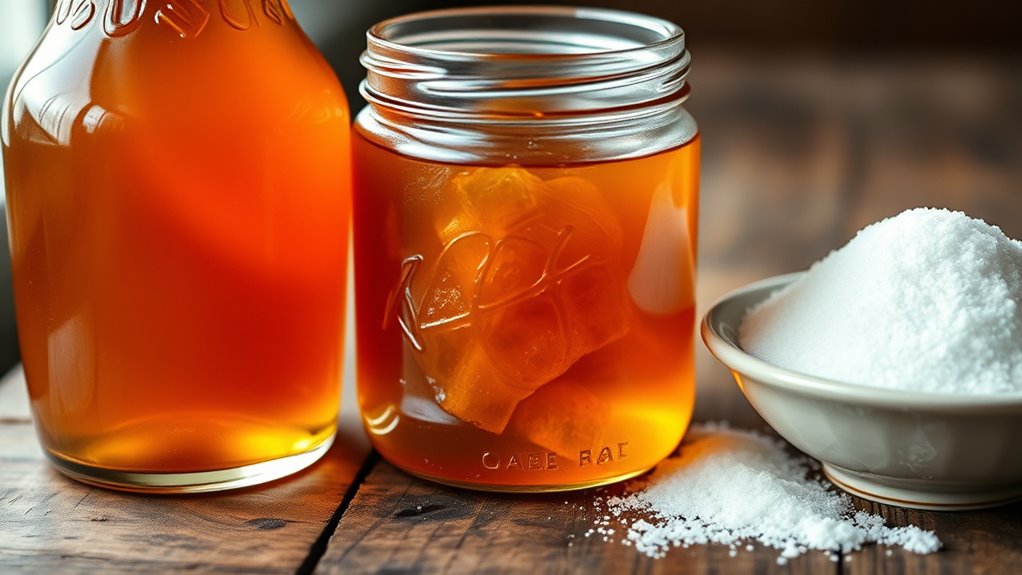
Sweeteners are widely used as alternatives to sugar, promising to satisfy your sweet cravings without the extra calories. When you choose between options like maple syrup, honey, or refined sugar, you’re not just considering taste but also the broader impact on your health and the environment. Each sweetener offers different health benefits and environmental effects that can influence your decision.
Choosing natural sweeteners like maple syrup or honey supports better health and sustainability than refined sugar.
Maple syrup is often praised for its antioxidants and minerals such as manganese and zinc, which can support your immune system and overall health. Unlike processed sugars, it contains fewer additives and retains some natural nutrients, making it a slightly healthier choice. Additionally, maple syrup’s production is relatively sustainable when managed responsibly. Tapping maple trees doesn’t harm them, and if forests are maintained properly, it can even promote biodiversity. However, large-scale production can lead to environmental concerns like habitat disruption or overharvesting, so sourcing responsibly remains essential.
Honey, another natural sweetener, is celebrated for its antimicrobial properties and antioxidants, which may offer health benefits like improved digestion and immune support. Its composition includes enzymes and small amounts of vitamins, making it a more nutritious alternative to refined sugar. From an environmental perspective, honey production can be sustainable if beekeepers practice responsible hive management. Bees are essential pollinators; however, large-scale commercial honey farming sometimes involves practices that harm bee populations, such as over-harvesting or the use of chemicals. Supporting local, sustainable beekeepers can help ensure honey production remains environmentally friendly and beneficial for bee health.
Refined sugar, on the other hand, provides quick energy and has a neutral taste, making it a popular choice in many recipes. But from a health standpoint, it offers no significant benefits and is linked to various health issues like weight gain, insulin resistance, and increased risk of chronic diseases. Environmentally, sugar production—especially from large plantations—can have a considerable negative impact. It often involves deforestation, water pollution, and high water usage, which can threaten ecosystems and local communities. The extensive land use and chemical inputs lead to significant ecological footprints, making refined sugar less sustainable than natural alternatives.
In the end, your choice of sweetener influences not only your health but also the environment. Maple syrup and honey, when sourced responsibly, tend to be more beneficial both health-wise and environmentally. They offer added nutrients and have a smaller ecological footprint compared to refined sugar, which is heavily processed and environmentally taxing. Your decision can support healthier living and more sustainable practices, aligning your sweetening habits with broader ecological and health goals.
Frequently Asked Questions
How Do Sweeteners Affect Blood Sugar Levels Over Time?
Sweeteners affect your blood sugar levels by triggering different glycemic responses and insulin impacts. When you consume sweeteners like sugar, it causes a quick spike in blood glucose, leading to a sharp insulin response. Honey and maple syrup may produce a slightly lower or steadier glycemic response, but they still influence insulin. Over time, frequent intake can impact your blood sugar regulation, so moderation is key to maintaining stable levels.
Are There Any Allergenic Concerns With Maple Syrup or Honey?
Imagine you’re in a medieval marketplace; honey and maple syrup both carry allergy risks. Honey may contain pollen or bee proteins, posing an allergen presence that can cause reactions in sensitive individuals. Maple syrup generally has a lower allergenic potential but still might trigger allergies for some. Always check labels and consult your doctor if you’re concerned about allergy risks. You can enjoy these sweeteners safely by being aware of their allergen presence.
Which Sweetener Has the Highest Antioxidant Content?
Maple syrup has the highest antioxidant content among these sweeteners, offering notable health benefits. Its antioxidant comparison shows it contains compounds like polyphenols that help fight free radicals. Honey also provides antioxidants, but in lesser amounts, while sugar has negligible benefits. Choosing maple syrup can boost your overall health by adding antioxidants to your diet, making it a smarter sweetener option for those seeking natural health benefits.
Can Sweeteners Influence Gut Health or Digestion?
Sweeteners can influence your gut health and digestion by affecting digestive enzymes and gut microbiota. For example, honey contains prebiotics that promote good bacteria growth, while excess sugar may disrupt your microbiota balance and impair enzyme function. Maple syrup has antioxidants that support gut health. Moderation is key, as overconsumption can lead to digestive discomfort and negatively impact your gut bacteria, affecting overall digestion and health.
What Are the Environmental Impacts of Harvesting Each Sweetener?
Imagine the ecological footprint of your choices. Maple syrup’s sustainable harvesting relies on tapping trees without harming them, reducing environmental impact. Honey production involves beekeeping, which can disrupt local ecosystems if not managed responsibly. Sugar, especially from large-scale plantations, often leads to deforestation and high water use. You can minimize your environmental impact by choosing products with eco-friendly practices, supporting sustainable harvesting, and reducing your overall ecological footprint.
Conclusion
Choosing between maple syrup, honey, and sugar is like picking your favorite melody—you’ll find each has its own sweet tune. Maple syrup offers a rich, earthy symphony; honey delivers golden, floral notes; sugar provides a simple, sweet chorus. Whichever you select, remember it’s about savoring the flavor without letting the sweetness overpower your health. So, dance to your own rhythm, and let each spoonful be a harmonious note in your culinary song.