
To master the chemistry of chocolate waffles, focus on managing cocoa powder carefully. Sift the cocoa to prevent clumping, which can cause graininess and uneven flavor. Combine it with sugar to improve dispersion and create a smooth batter. Use gentle mixing techniques, like incorporating cocoa into dry ingredients first, to guarantee even distribution. Controlling particle size and maintaining proper technique helps you achieve the perfect texture and flavor—stay with us to explore these tips in more detail.
Key Takeaways
- Sift cocoa powder to ensure fine, clump-free particles for even dispersion in batter.
- Combine cocoa with dry ingredients or gently whisk to prevent uneven mixing and grainy texture.
- Sugar’s hygroscopic properties aid in suspending cocoa particles for a smooth, uniform batter.
- Smaller cocoa particle size improves dispersion and contributes to a velvety waffle texture.
- Proper ingredient integration enhances chocolate flavor and results in fluffy, well-textured waffles.

Chocolate waffles are a delicious example of how chemistry influences flavor and texture in baking. When you make them, understanding the behavior of cocoa particles and how sugar interacts with cocoa powder can make a noticeable difference in the final product. Cocoa particle behavior plays a essential role in determining both the flavor depth and the smoothness of your waffle batter. Fine cocoa powder contains tiny particles that, when properly dispersed, blend seamlessly into the mixture. If these particles clump together or aren’t evenly distributed, you might notice uneven flavor or a grainy texture in your waffles. To achieve perfect cocoa dispersion, it’s best to sift the cocoa powder before mixing, ensuring that the particles are evenly spread and free of lumps. This helps prevent uneven chocolate flavor and gives your waffles a consistent, velvety texture.
Sugar’s interaction with cocoa is another key factor. Sugar doesn’t just sweeten; it also influences how cocoa particles behave during mixing and baking. When combined with cocoa, sugar helps break down the particles, promoting better dispersion and creating a smoother batter. Additionally, the sugar’s hygroscopic nature—its ability to attract and hold moisture—helps keep the cocoa particles suspended within the batter, preventing them from settling or clumping. This interaction results in a more uniform distribution of chocolate flavor throughout your waffles, enhancing their overall quality. Furthermore, the right balance of sugar can influence the batter’s viscosity, making it easier to pour and ensuring even cooking.
Temperature and mixing techniques further impact these interactions. If you add cocoa powder directly into wet ingredients without proper mixing, the particles may not disperse evenly, leading to pockets of chalky cocoa or uneven flavor. Using a gentle whisk or sifting cocoa into the dry ingredients before combining with liquids encourages better cocoa particle behavior. Similarly, incorporating sugar gradually or creaming it with butter before adding cocoa can improve the mixture’s homogeneity. These steps maximize the beneficial sugar-cocoa interactions, resulting in a batter that’s well-integrated and capable of producing fluffy, flavorful waffles.
Additionally, understanding the particle size of cocoa powder can help optimize its dispersion and overall batter quality. In essence, managing cocoa powder’s behavior and optimizing sugar interactions are fundamental to perfecting your chocolate waffles. By paying attention to how these ingredients behave and interact, you can guarantee a smooth, flavorful batter that bakes into waffles with the ideal texture and rich chocolate taste. Small adjustments in mixing and ingredient handling make a big difference, elevating your baking from good to exceptional.

1Pcs Stainless Steel Powder Sugar Shaker Duster with Lid, Fine Mesh Shaker Powder Cans for baking soda Cocoa Cornstarch Coffee Flour ect
Food grade material: This powder sugar shaker duster is made of high quality food grade 304 stainless steel,…
As an affiliate, we earn on qualifying purchases.
As an affiliate, we earn on qualifying purchases.
Frequently Asked Questions
How Does Cocoa Powder Affect Waffle Texture?
Cocoa powder variations substantially impact waffle texture by adding dry, fine particles that can make waffles denser and slightly crumbly if overused. The type of cocoa powder, whether natural or Dutch-processed, influences how the batter reacts, affecting crispness and tenderness. Using the right amount guarantees a balanced waffle with a rich chocolate flavor, while too much can result in a drier, tougher texture. Adjust your cocoa to achieve your preferred waffle consistency.
Can I Substitute Dark Chocolate for Cocoa Powder?
You can substitute dark chocolate for cocoa powder, but you’ll need to adjust your recipe. Use dark chocolate as a cocoa powder alternative by melting it and reducing the fat elsewhere in your batter, since it contains fat and sugar. Keep in mind that dark chocolate substitution adds moisture and sweetness, which may affect the waffle’s texture and flavor. Experiment with small batches to perfect your waffle recipe with this cocoa powder alternative.
What Is the Ideal Cocoa Powder Type for Waffles?
They say, “You are what you eat,” so choosing the right cocoa matters. For waffles, opt for unsweetened natural cocoa powder because it offers a bright, intense chocolate flavor and reacts well in baking. Dutch-processed cocoa is milder and less acidic, which might affect your batter’s rise. When choosing the right cocoa, consider the flavor profile you want—natural for boldness, Dutch-processed for smoothness.
How Does Cocoa Powder Influence Waffle Flavor?
Cocoa powder considerably influences your waffle flavor by adding cocoa intensity and enhancing overall taste. When you use a richer, darker cocoa, your waffles develop a deeper, more robust chocolate flavor, making them more indulgent. Lighter cocoa powders provide a milder, sweeter touch, while Dutch-processed varieties can smooth out acidity, creating a balanced, flavorful waffle. Adjust the cocoa type to match your desired flavor profile for the perfect chocolate experience.
Are There Health Benefits Related to Cocoa Powder in Waffles?
Yes, including cocoa powder in your waffles offers health benefits. You get antioxidant properties that help protect your cells from damage, supporting your overall health. Additionally, cocoa may promote cardiovascular health by improving blood flow and reducing inflammation. So, by enjoying chocolate waffles with cocoa powder, you’re not only indulging in a delicious treat but also giving your body some beneficial nutrients.

BetterBody Foods Organic Cacao Powder, Rich Chocolate Flavor, Non-GMO, Gluten-Free, Cocoa, 16 ounce, 1 lb bag
LESS FAT & FEWER CALORIES: Chocolate is a staple in most households, but it can make people feel…
As an affiliate, we earn on qualifying purchases.
As an affiliate, we earn on qualifying purchases.
Conclusion
Now that you understand the chemistry behind chocolate waffles, you can master their perfect texture and flavor. Did you know that cocoa powder contains over 300 different compounds contributing to its rich taste? When managed properly, these compounds create that irresistible, melt-in-your-mouth experience. So next time you make waffles, remember: controlling cocoa powder’s acidity and moisture is key. With just a little science, you’ll be enjoying bakery-quality waffles in your own kitchen every time.

NileHome Stainless Steel Whisk Set 8" 10" 12" Kitchen Whisk Balloon Whisk Kitchen Wisk Wire Whisks for Cooking, Whisking, Blending, Beating, Stirring-3 Pack…
HIGH-QUALITY MATERIAL: Made of high-quality durable stainless steel and highly polished processing methods, no worries of rust. You…
As an affiliate, we earn on qualifying purchases.
As an affiliate, we earn on qualifying purchases.
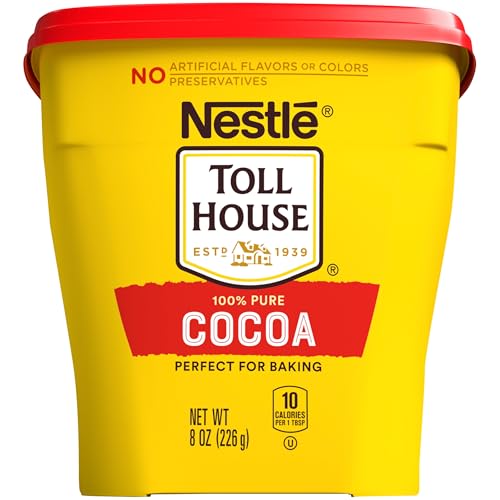
Nestle Toll House 100% Pure Cocoa Perfect for Baking, No Preservatives, Artificial Flavors or Colors, Baking Cocoa (8oz)
100% Pure Cocoa Our Nestle Toll House Cocoa Powder has no preservatives, artifical flavors or colors. Made with…
As an affiliate, we earn on qualifying purchases.
As an affiliate, we earn on qualifying purchases.