When comparing yeast and baking powder for Belgian versus American batter, you’ll notice yeast offers a slow fermentation process that develops rich flavors and creates a light, airy texture, ideal for traditional Belgian bread. Baking powder, on the other hand, reactions happen quickly, making it perfect for fast, tender batters like pancakes or muffins commonly used in American recipes. Understanding these differences helps you choose the right leavening for your desired outcome—keep exploring to discover more.
Key Takeaways
- Traditional Belgian batter often uses yeast for slow fermentation, developing richer flavor and airy texture.
- American batter typically relies on baking powder for quick leavening and a tender, consistent crumb.
- Yeast in Belgian recipes requires longer proofing, enhancing complexity, while baking powder in American recipes offers immediate rise.
- Yeast produces carbon dioxide gradually during fermentation, ideal for bread, whereas baking powder reacts instantly for faster baked goods.
- Choice of leavening impacts flavor, texture, and preparation time, aligning Belgian styles with yeast and American styles with baking powder.

When it comes to leavening baked goods, yeast and baking powder are two common choices that serve different purposes. Yeast is a living organism that causes fermentation, which is a natural process where the yeast consumes sugars and produces carbon dioxide and alcohol. This fermentation process is what makes bread rise, creating a light, airy texture. The leavening time with yeast can be longer, often requiring hours or even overnight, depending on the recipe. During this period, the dough develops flavor and structure as the yeast works steadily. This slow rise allows for complex flavors to develop, especially in traditional Belgian bread or sourdoughs, where fermentation lends a unique depth to the final product. Additionally, the fermentation process influences the flavor profile of the bread, contributing to its richness and character.
In contrast, baking powder is a chemical leavening agent that reacts quickly when exposed to moisture and heat. It contains acids and bases that produce carbon dioxide almost instantly, which creates bubbles in the batter. Because of this rapid reaction, the leavening time with baking powder is short—usually just minutes after mixing. You don’t need to wait long for the batter to rise; instead, you can bake immediately after mixing. This quick action makes baking powder ideal for American-style pancakes, muffins, and cakes, where a light texture is desired without the lengthy fermentation process. The result is a tender crumb with a fine, uniform rise that’s perfect for fast-paced baking.
Understanding the differences in fermentation process and leavening time helps you choose the right leavening agent for your recipe. If you’re aiming for a traditional Belgian bread with rich flavors and a chewy crust, yeast is your best bet. It requires patience but rewards you with complex taste and texture. On the other hand, if you want quick, fluffy baked goods like pancakes or sponge cakes, baking powder is more convenient. It reacts swiftly and doesn’t require proofing or long rising times, making your baking process more efficient. Recognizing these distinctions allows you to adapt your approach based on the desired outcome, whether it’s the slow, flavorful fermentation of European bread or the rapid rise of American-style baked treats.
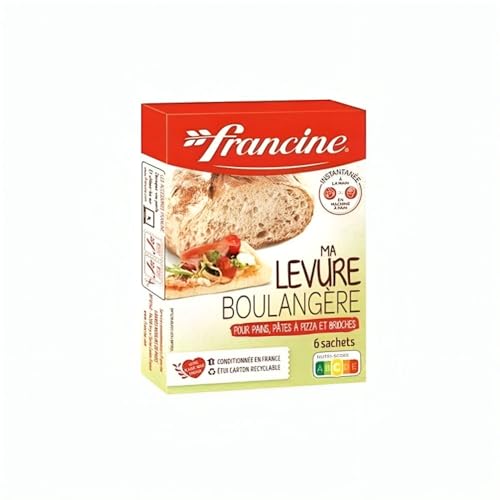
Francine – yeast for baking bread – (6x5g sachets) 30g – bread machine yeast – levadura para hacer pan – Instant dry yeast. Plant-based. French Imported.
PREMIUM QUALITY YEAST – Authentic French instant yeast for homemade breads, pizza doughs, and brioches. For hand mixing…
As an affiliate, we earn on qualifying purchases.
As an affiliate, we earn on qualifying purchases.
Frequently Asked Questions
How Does Fermentation Time Affect the Flavor of Belgian Versus American Batter?
Fermentation duration substantially impacts flavor development in Belgian and American batter. Longer fermentation allows yeast to break down sugars more thoroughly, producing richer, more complex flavors typical of Belgian batter. Shorter fermentation in American batter results in a milder taste with less depth. You should extend fermentation time if you want a deeper flavor profile, but keep it balanced to avoid over-fermentation, which can negatively affect texture and taste.
Can Yeast or Baking Powder Be Substituted in Traditional Recipes?
You can try substituting yeast with baking powder or vice versa, but be aware of substitution challenges. Baking powder creates a quicker rise and alters the flavor impact, often resulting in a lighter, less complex taste. Yeast develops more depth through fermentation, which baking powder can’t replicate. For authentic traditional recipes, stick to the original leavening agent to preserve the intended flavor and texture.
What Are the Health Differences Between Using Yeast and Baking Powder?
You should know that yeast offers probiotic benefits, supporting your gut health, while baking powder doesn’t. However, using yeast involves fermentation, which can create preservatives naturally, reducing preservative concerns. Baking powder, on the other hand, often contains additives that might raise preservative concerns for some. So, choosing yeast could be better for your digestive health, but consider your dietary preferences and preservative sensitivities.
How Do Storage Requirements Differ for Yeast and Baking Powder?
Think of yeast and baking powder like night and day in storage. You need a cool, dark fermentation environment for yeast, ideally in airtight containers to prevent spoilage. Baking powder, however, is more resilient; store it in a dry, airtight container away from moisture and heat. Yeast’s sensitive nature makes proper storage critical, while baking powder can sit comfortably on your shelf for months.
Are There Specific Tools Needed for Working With Yeast Compared to Baking Powder?
You’ll need specialized tools like a warm proofing basket or dough hook for working with yeast, which helps with ingredient handling and proper fermentation. For baking powder, standard mixing bowls and measuring spoons suffice. Yeast requires gentle handling to maintain its activity, while baking powder is more forgiving. Using the right tools guarantees ideal results, whether you’re fermenting dough or quickly mixing batter.
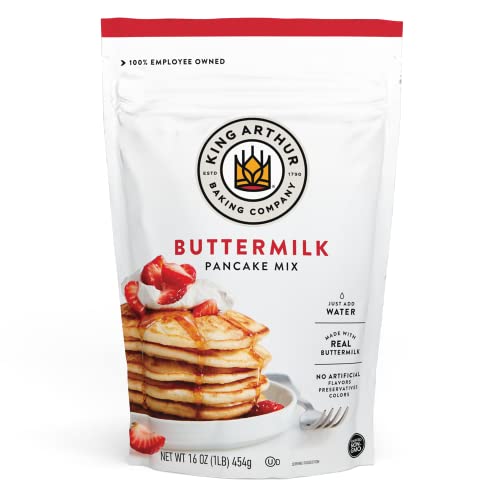
King Arthur Buttermilk Pancake Mix Just Add Water, Sourced Non-GMO, Certified Kosher, 16 Oz
This 16 oz pancake mix makes twenty-two 4" pancakes and includes directions to make 6, 12, or 22…
As an affiliate, we earn on qualifying purchases.
As an affiliate, we earn on qualifying purchases.
Conclusion
So, whether you’re summoning the ancient magic of yeast or the quick spark of baking powder, remember, each creates its own symphony in your batter. Yeast whispers slow, deep melodies, while baking powder hits a lively, fizzy chorus. It’s like choosing between a slow dance and a lightning bolt—each brings its own charm. Whichever you pick, your batter’s destiny is in your hands, ready to rise into something truly delightful.

Saf Instant Yeast, 1 Pound Pouch
Safe Instant Yeast is one of the top selling yeasts in the world
As an affiliate, we earn on qualifying purchases.
As an affiliate, we earn on qualifying purchases.

365 by Whole Foods Market, Baking Powder, 10 OZ
Our Baking Powder Makes The Lightest, Fluffiest Cakes, Quick Breads And Baked Goods
As an affiliate, we earn on qualifying purchases.
As an affiliate, we earn on qualifying purchases.