
Preheating your oven properly is essential because it guarantees the temperature stabilizes before you start cooking, leading to evenly cooked and better-looking dishes. Rushing or skipping this step can cause uneven baking, compromised textures, and longer cooking times. It also prevents stress on oven parts and extends its lifespan. By allowing the oven to reach the right heat, you set yourself up for success in every recipe. Keep going to discover why this small step makes a big difference.
Key Takeaways
- Proper preheat ensures even heat distribution, preventing unevenly cooked or undercooked dishes.
- It maintains accurate oven temperature, crucial for baked goods like bread, cakes, and soufflés.
- Gradual heating reduces stress on oven components, extending appliance lifespan and ensuring safety.
- Starting with the correct temperature shortens cooking time and improves food texture and flavor.
- Skipping preheat can lead to inconsistent results, affecting recipe success and overall cooking efficiency.
Have you ever wondered why preheating your oven matters? It’s a step many skip or rush through, but it plays a crucial role in guaranteeing your cooking turns out just right. When you turn on your oven and set the temperature, it takes a few moments for the oven’s heating element to reach that target temperature. Preheating allows the oven to reach a stable, consistent temperature before you place your food inside. This consistency is key to achieving evenly cooked dishes, whether you’re baking bread, roasting vegetables, or cooking a casserole. Without proper preheating, you risk uneven heat distribution, which can lead to undercooked or overcooked areas, ruining your meal and wasting ingredients.
Preheating ensures even cooking and prevents ruined meals caused by uneven heat distribution.
Beyond food quality, preheating is essential for oven safety. If you toss food into a cold oven and turn it on afterward, the sudden temperature change can stress the oven’s components over time. Preheating ensures that the appliance heats gradually and evenly, reducing the risk of damage or malfunction. This not only extends the lifespan of your oven but also keeps your kitchen safer. Additionally, many recipes rely on precise oven temperatures; skipping preheating can compromise the accuracy of your cooking process. For example, baked goods like soufflés or delicate cakes depend heavily on stable heat for proper rise and texture. When your oven isn’t preheated, these baked items may not develop the intended structure or flavor.
Oven safety isn’t just about avoiding accidents; it’s about maintaining control over your cooking environment. By preheating, you create a predictable setting where food cooks evenly and safely. This is especially important if you’re preparing multiple dishes or using sensitive ingredients that require strict temperature control. When the oven heats evenly from the start, you minimize the risk of hot spots that could cause burning or undercooking. Furthermore, consistent temperature helps avoid the temptation of opening and closing the oven repeatedly to check on your food, which can cause temperature fluctuations and extend cooking times.
Additionally, connected fitness technology can play a role in optimizing your overall health and well-being, much like how proper preheating optimizes your cooking results.
In short, preheating isn’t a trivial step—it’s an essential part of successful, safe cooking. It guarantees temperature consistency, ensuring your dishes turn out perfect every time. It also protects your oven from unnecessary wear and tear. So, next time you prepare a meal, remember that taking those extra few minutes to preheat properly makes all the difference. Your food will cook more evenly, taste better, and your oven will thank you for the care. It’s a simple step that pays off in every delicious bite.
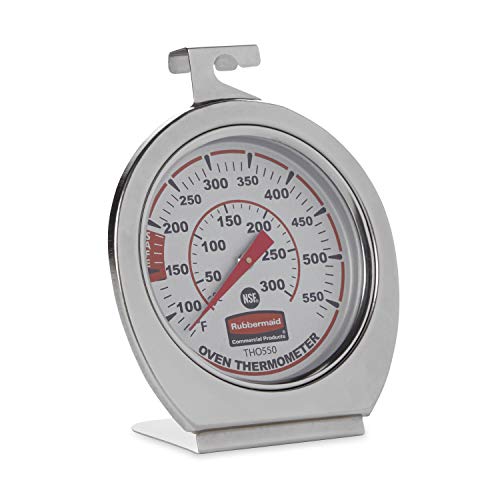
Rubbermaid Commercial Products Stainless Steel Monitoring Thermometer, Safe for Inside Oven/Grill/Smoker, 60-580°F Range, Easy to Read Food Thermometer For Food Resturant/Home Cooking
- Food Safety Monitoring: Displays true oven temperature instantly
- Wide Temperature Range: Reads from 60°F to 580°F
- Versatile Kitchen Use: Suitable for home and professional kitchens
As an affiliate, we earn on qualifying purchases.
As an affiliate, we earn on qualifying purchases.
Frequently Asked Questions
How Does Preheat Time Affect Cooking Consistency?
Preheat time directly impacts your cooking consistency by ensuring temperature stability and even heat distribution. When you give your oven enough time to reach the right temperature, it maintains that heat throughout the cooking process. This prevents hot spots and uneven cooking, helping your dishes turn out perfect every time. Rushing the preheat process can lead to inconsistent results, so always allow your oven to fully preheat before starting.
Can Preheating Reduce Cooking Time Overall?
Ironically, preheating might seem to extend your total cooking time, but it actually cuts it down by ensuring oven calibration and temperature stability. When your oven hits the right temp faster, your food cooks more evenly and efficiently. Skipping preheat can lead to longer cooking times overall, as you struggle to reach desired temperatures later. So, preheating isn’t just a step, it’s your secret to saving time and improving results.
Does Preheat Time Vary Between Different Oven Models?
Yes, preheat time varies between different oven models due to oven calibration differences. Some ovens heat faster, reducing preheat time, while others take longer to reach the desired temperature. This variation can impact energy consumption, as longer preheat times use more energy. Knowing your oven’s specific preheat time helps optimize cooking efficiency and guarantees consistent results, saving you time and energy in the kitchen.
What’s the Best Way to Know When the Oven Is Preheated?
Did you know that 60% of home ovens are inaccurately calibrated? To know when your oven is preheated, rely on its built-in indicator light or digital display, but don’t forget to verify its temperature accuracy with an oven thermometer. When the oven reaches the set temperature or the indicator signals, you can confidently start cooking, ensuring even results and better dishes every time.
How Does Preheating Impact Food Texture and Flavor?
Preheating your oven impacts food texture and flavor by ensuring the oven reaches the right temperature for even cooking. When you preheat properly, your food develops a better crust, retains moisture, and achieves a richer flavor. If you skip or delay preheating, your dishes can turn out uneven, with textures that are too soft or burnt spots. Maintaining the correct oven temperature from the start allows your food to cook consistently and taste its best.
Conclusion
Think of preheat time like the foundation of a house—you might rush it, but it’ll weaken the whole structure. Giving your oven enough time guarantees everything cooks evenly and your food turns out perfectly. Don’t overlook this simple step; it’s the secret to better results. Just like a good start sets the tone for success, proper preheating sets up your meal for greatness. Trust me, a little patience now saves you time and disappointment later.