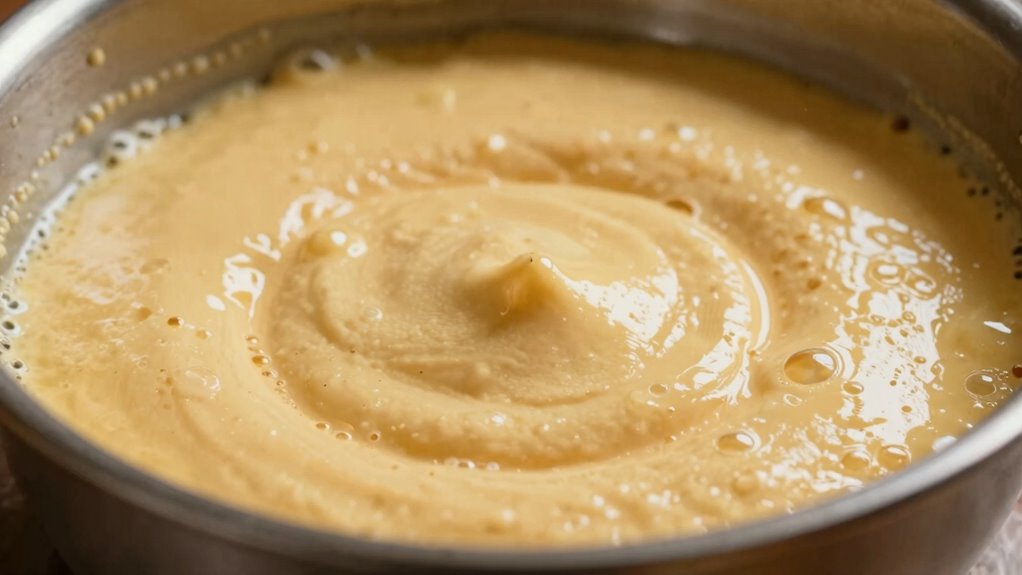

Resting your batter allows natural chemical reactions and fermentation to occur, which deepen its flavor without considerably changing its texture. As it rests, enzymes break down carbs, releasing subtle flavors, while natural acids develop, adding a slight tang. This process also enhances aroma and overall complexity, making baked goods more appealing. Even if the texture stays the same, your batter’s flavor can become richer and more refined—continue to explore how these changes work together to improve your baking.

Get baking supplies delivered free — and shop member deals
- Fast, free delivery on millions of items
- Access to Prime Big Deal Days deals on October 6–7
- Prime Video, Amazon Music and more included
Key Takeaways
- Resting allows natural fermentation, producing subtle flavor compounds and a slight tang that enhance overall taste.
- Chemical changes activate enzymes and acids, deepening flavor complexity without altering batter texture.
- Ingredient interactions become more harmonious during resting, resulting in richer, more developed flavors.
- Fermentation breaks down complex carbs, improving digestibility and adding nuanced flavor notes.
- Resting enhances aroma and natural acids, making the batter more appealing and flavorful during cooking.
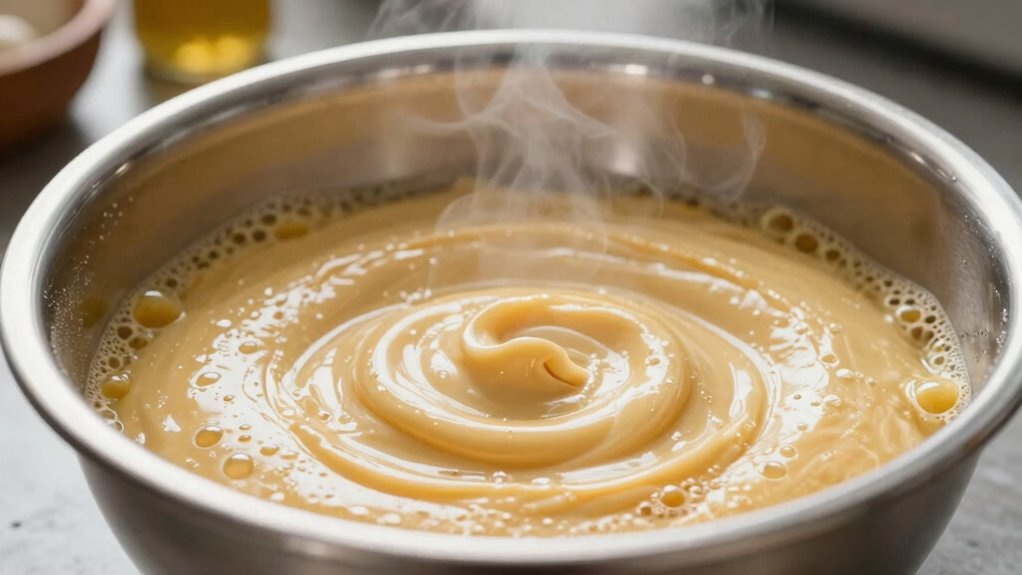
Resting batter might seem like an optional step, but it can considerably enhance the flavor and texture of your final dish. When you give your batter time to rest, you’re allowing the ingredients to undergo subtle chemical changes that improve the overall taste. This is largely due to the fermentation process, which occurs when the batter sits for a period. During fermentation, naturally occurring bacteria or yeast, depending on the recipe, start to break down starches and sugars, releasing flavorful compounds. These interactions deepen the batter’s flavor profile, making your final product richer and more complex, even if the texture remains fundamentally the same.
As the batter rests, the ingredient interactions become more pronounced. Flour proteins, such as gluten, continue to develop, creating a stronger, more cohesive structure. This interaction results in a batter that’s better integrated, leading to a more uniform crumb or crumb-like texture once cooked. Even if you don’t notice a significant change in the batter’s viscosity or appearance, these internal interactions are quietly enhancing the flavor. The natural acids and enzymes activated during resting also help break down complex molecules, releasing subtle flavors that wouldn’t be present if you used the batter immediately. Fermentation process also plays a key role in developing these flavors naturally. Additionally, the chemical changes during resting can improve the overall aroma of your batter, making it more appealing.
Furthermore, resting allows time for enzyme activity to enhance the breakdown of molecules, contributing to the depth of flavor. The fermentation process doesn’t just affect flavor; it also improves digestibility. As the batter ferments, the breakdown of complex carbohydrates makes the final dish easier on your stomach. Incorporating resting into your routine can also allow for the development of flavor complexity, which elevates simple recipes to more refined dishes. Additionally, the acids produced during fermentation can act as natural preservatives, helping your batter stay fresh longer. This process can also influence the pH balance, which impacts flavor and browning during cooking. The interaction between ingredients—such as flour, liquid, and leavening agents—becomes more harmonious, resulting in a more balanced taste. This harmony is especially noticeable in baked goods like pancakes, waffles, or even bread, where a well-rested batter often has a more pronounced flavor with a subtle tang or depth that’s hard to achieve otherwise.
bread dough fermentation starter kit
As an affiliate, we earn on qualifying purchases.
As an affiliate, we earn on qualifying purchases.
Frequently Asked Questions
How Long Should Batter Rest for Optimal Flavor Enhancement?
You should rest your batter for at least 30 minutes to 1 hour to allow the fermentation process to enhance flavor maturation. During this time, natural enzymes and yeasts develop, developing deeper, richer flavors. If you have more time, resting for up to 12 hours can further improve flavor complexity. Just keep it covered and refrigerated if you plan to rest it longer, ensuring ideal fermentation without spoilage.
Does Resting Batter Affect Gluten Development?
Resting batter slows gluten formation, meaning it develops less gluten than freshly mixed batter. This results in a tenderer, less chewy texture. Simultaneously, resting allows flavors to infuse deeply, enhancing taste. So, while gluten development diminishes, flavor infusion thrives. You get a batter that’s gentler on your palate, delivering better flavor without risking a tough or chewy consistency, making resting a vital step for balanced results.
Can Resting Batter Reduce Oil Absorption During Frying?
Resting batter can reduce oil absorption during frying because it allows the starches to hydrate fully and develop better structure. This improved structure creates a barrier that limits how much oil penetrates the batter. Additionally, resting enhances flavor development, giving your fried foods a richer taste. So, by letting your batter rest, you not only improve flavor but also enjoy a healthier, less greasy final product.
Is There a Difference in Flavor if Batter Is Refrigerated or Left at Room Temperature?
Did you know that refrigerating batter can enhance its flavor? Resting batter at cooler temperatures allows fermentation effects to develop, enriching taste without changing texture. Leaving it at room temperature speeds up fermentation, potentially producing a sour or off flavor. So, if you want a balanced, deeper flavor, refrigerate your batter. Temperature impact is key—cold fermentation offers a gentler, more complex flavor profile, while room temperature accelerates fermentation but risks undesirable tastes.
Does Resting Batter Improve Flavor for All Types of Batter?
Resting batter generally enhances flavor through ingredient interaction, but it doesn’t improve all types equally. For example, batters with fermented ingredients like yogurt or beer benefit more from resting, as flavors develop. However, delicate batters like meringue or those with minimal ingredients might see little to no flavor change. Resting allows flavors to meld, making your dish tastier, but results depend on the specific ingredients and batter type.
Conclusion
Next time you let your batter rest, imagine a quiet symphony unfolding—flavors blending and mellowing like a gentle sunset. As the batter sits, it’s as if each ingredient whispers and mingles, creating a richer, more inviting aroma that beckons with promise. Even if the texture stays the same, you’re revealing a depth of flavor that turns simple ingredients into a comforting, flavorful masterpiece. Resting isn’t just waiting; it’s a secret to better-tasting bites.
Fall Picks
fall essentials
As an affiliate, we earn on qualifying purchases.