TL;DR

Get baking supplies delivered free — and shop member deals
- Fast, free delivery on millions of items
- Access to Prime Big Deal Days deals on October 6–7
- Prime Video, Amazon Music and more included
A Good Housekeeping report gathers dietitians’ recommendations for fall fruits and vegetables, including cranberries, apples, pears, kale, cabbage, Brussels sprouts and pumpkin. The experts describe nutrients and serving ideas, while some health claims—such as potential effects on cancer risk or urinary tract infections—need careful qualification and, in some cases, more research.
Good Housekeeping has published a guide to fall fruits and vegetables, drawing on dietitians’ recommendations about produce such as cranberries, apples, pears, kale, cabbage, Brussels sprouts and pumpkin. The report describes their nutrients and suggests ways to serve them, giving readers practical options for adding seasonal produce to meals.
The dietitians featured in the report point to a mix of familiar fruit and vegetables. Registered dietitian Anne Danahy recommends cranberries, noting their antioxidant content and compounds that may help reduce urinary tract infection risk. She suggests making a cranberry-orange relish or adding the tart fruit to wild rice and stews. Those potential health effects are not presented as a guarantee for individuals.
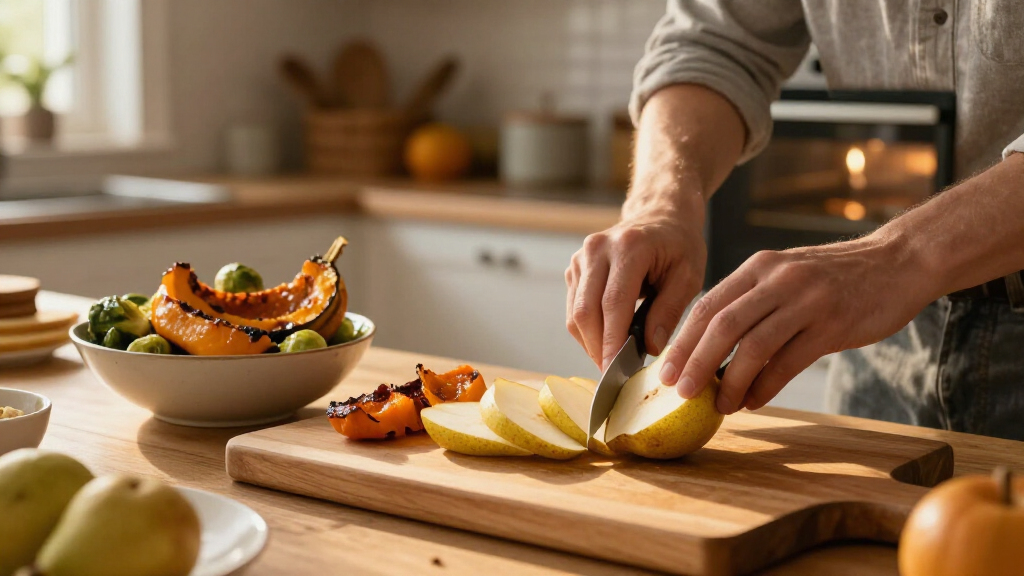
Apples and pears offer fiber, while pears also provide vitamin C and potassium. The report says a medium pear contains nearly 6 grams of fiber. Dietitian Janelle Leatherwood suggests choosing pears at a comfortable level of ripeness and using them as snacks or in salads. For apples, the dietitians recommend options such as Pink Lady, Honeycrisp, Granny Smith and Sweet Tango, with serving ideas including apple slices with peanut butter or chopped apples in salads.
Among vegetables, kale is described as a source of vitamins, minerals and fiber, including calcium and vitamin K. Cabbage provides vitamin C and vitamin K; nutritionist Amy Brownstein says one cup of shredded cabbage contains close to 30 milligrams of vitamin C, listed in the report as 33% of the daily value. Brussels sprouts are also highlighted for vitamins C and K. Leatherwood suggests roasting them with olive oil, maple syrup and salt, while kale can be added to soups, eggs, grain bowls or pasta.
Simple Ways to Use Fall Produce
The report’s practical value is its focus on accessible ways to eat a wider range of produce, rather than prescribing a special diet. Suggestions include adding pumpkin puree to oatmeal or smoothies, cooking pumpkin into soup, and using cabbage raw in slaw or cooked in soups and stews. Those ideas may help readers make seasonal ingredients part of ordinary meals.
The nutrition statements also vary in certainty. Fiber and listed vitamins are nutrient information; possible disease-related effects are not the same as proven prevention or treatment. Danahy says cranberry compounds may reduce UTI risk, and she describes Brussels sprouts as having potential related to cancer research. The report specifically notes that evidence for Brussels sprouts’ effects comes from laboratory studies and that more research is needed to confirm effects in humans.
As an affiliate, we earn on qualifying purchases.
What the Dietitians Recommend
The source is a Good Housekeeping editorial report that compiles comments from registered dietitians and nutrition experts. It covers fruit and vegetables associated with the fall season, although some—apples, for example—are available throughout the year. Its recommendations include both nutrient descriptions and preparation ideas, not a clinical assessment or a personalized nutrition plan.
Advice in the report ranges from choosing crisp Autumn Crisp grapes to removing kale stems before chopping the leaves. The experts also suggest pairing produce with familiar dishes: cranberries in relish or stews, apples in salads, and pears alongside poultry or in fruit tarts. Such suggestions are serving options, not evidence that a particular preparation delivers a specific health outcome.
“Kale is incredibly versatile and packed with a variety of vitamins, minerals, and fiber.”
— Gabbie Ricky, performance dietitian at FC Dallas
Limits of the Health Claims
The supplied report does not provide study citations or detailed evidence reviews for each health statement. It says cranberry compounds may reduce UTI risk and notes that more human research is needed to confirm proposed cancer-related effects of compounds in Brussels sprouts. These points should not be read as proof that eating a particular food prevents or treats disease.
The source also does not give a publication date in the supplied material, nor does it identify a single ranking that establishes these foods as the “healthiest.” Nutritional needs differ, and the guide does not account for allergies, medical conditions or individual dietary advice. Readers seeking guidance for a health condition should consult a qualified health professional.
Putting Seasonal Produce on Plates
The report offers no announced follow-up study or policy change. Its immediate takeaway is a set of meal ideas readers can use during fall: try fresh cranberries in relish, add apples or pears to salads, incorporate kale into cooked dishes, and roast Brussels sprouts or prepare pumpkin in savory recipes.
Any further conclusions about disease prevention would depend on evidence beyond the recommendations summarized in this article. For now, the report presents fall produce as varied ingredients with useful nutrients and flexible uses, not as substitutes for medical care or a balanced overall eating pattern.
Key Questions
Which fall fruits does the report recommend?
The report highlights cranberries, apples, pears and grapes. It gives suggestions such as cranberry-orange relish, apples in salads and pears as snacks or meal additions.
Which fall vegetables are included?
The dietitians discuss kale, cabbage, Brussels sprouts and pumpkin, along with ways to use them in soups, salads, grain bowls, smoothies and roasted dishes.
Do Brussels sprouts prevent cancer?
The report does not establish that they prevent cancer. It says compounds in Brussels sprouts have slowed cancer-cell growth in laboratory studies and that more research is needed to confirm effects in humans.
How much fiber is in a pear?
According to the report, one medium pear contains nearly 6 grams of fiber. The figure is a general nutrition estimate, not a personalized dietary target.
What are easy ways to prepare fall produce?
Try apples with peanut butter, kale in soups or eggs, cabbage in slaw, roasted Brussels sprouts, cranberries in stews, or pumpkin puree in oatmeal. The report’s serving ideas are suggestions rather than medical recommendations.
Source: rss
Fall Picks
fall essentials
As an affiliate, we earn on qualifying purchases.