
TL;DR

Get baking supplies delivered free with Prime
- Fast, free delivery on millions of items
- Prime Video, Amazon Music and more included
- Member-only deals all year
A Good Housekeeping report lists nine household areas that cleaning professionals recommend tending to weekly, including bedding, bathroom surfaces, towels and frequently touched appliance controls. The guidance is a general routine, not a universal rule: cleaning frequency can vary with household use, allergies, illness and product instructions.
A Good Housekeeping report identifies nine household areas that people may overlook in a weekly cleaning routine, including sheets, appliance controls, rugs and bathroom surfaces. The roundup offers practical advice attributed to cleaning professionals, while noting that some tasks can be done less often or more frequently depending on household conditions.
The list covers sheets and pillowcases, kitchen appliances, rugs, hardwood floors, bathroom surfaces, toilets, light switches and doorknobs, towels, and wood furniture. For several of these, the report recommends a weekly clean: washing bedding, vacuuming rugs, wiping bathroom sinks and counters, cleaning toilets, laundering towels and dusting furniture. It also singles out appliance handles and knobs as high-touch areas to wipe regularly.
The report distinguishes weekly upkeep from deeper cleaning. It suggests sweeping hardwood floors every few days, while reserving a wet clean with a hardwood-floor product for every one to two months, or as needed. For rugs and carpets, weekly vacuuming is presented as adequate routine care, with professional cleaning suggested about once a year. Light fixtures and blinds can be included in a monthly dusting, and cleaning beneath and behind furniture is suggested every three to six months.
Some recommendations include specific product-use steps. For bathroom disinfectants and toilet products, the report says to leave surfaces wet for the contact time stated on the label. It advises avoiding liquid seepage behind light switches and allowing a disinfected toilet brush to dry outside its holder before putting it away. Towels should be washed in the hottest water safe for their fabric.
Small Tasks That Shape Weekly Upkeep
The list is useful because everyday cleaning tends to focus on visible mess, while handles, switches and other frequently touched surfaces can be missed. Bedding, towels and bathroom fixtures also receive repeated use, making them practical candidates for a recurring household schedule. The report frames these recommendations as routine maintenance rather than a guarantee that a particular cleaning frequency will prevent illness.
Its distinctions between weekly and less frequent work may also help households avoid unnecessary deep cleaning. Vacuuming a rug is not the same task as professional carpet cleaning, and sweeping hardwood is not the same as wet-mopping it. Following the right method for each surface can help manage dirt while reducing the risk of damage from unsuitable products or excess moisture.
Products Worth Considering

Traeger Pro 22 Wood Pellet Grill and Smoker, 572 sq. in.

Ninja HyperHeat 9-in-1 Electric Pressure Cooker, 6.5 qt, Stone Purple (PC201SP)

Instant Pot Vortex Plus 6-Quart 6-in-1 Air Fryer
As an affiliate, we earn on qualifying purchases.
How the Nine Tasks Differ
The Good Housekeeping roundup combines laundry, surface cleaning and floor care rather than prescribing one single weekly cleaning session. Bedding is generally assigned a seven-day wash cycle; towels may be used three times or more before laundering, though the report calls weekly washing a reasonable routine. It says bedding may need more frequent washing when pets share the bed or someone at home has dust or pollen allergies, sweats heavily, or has an infectious illness.
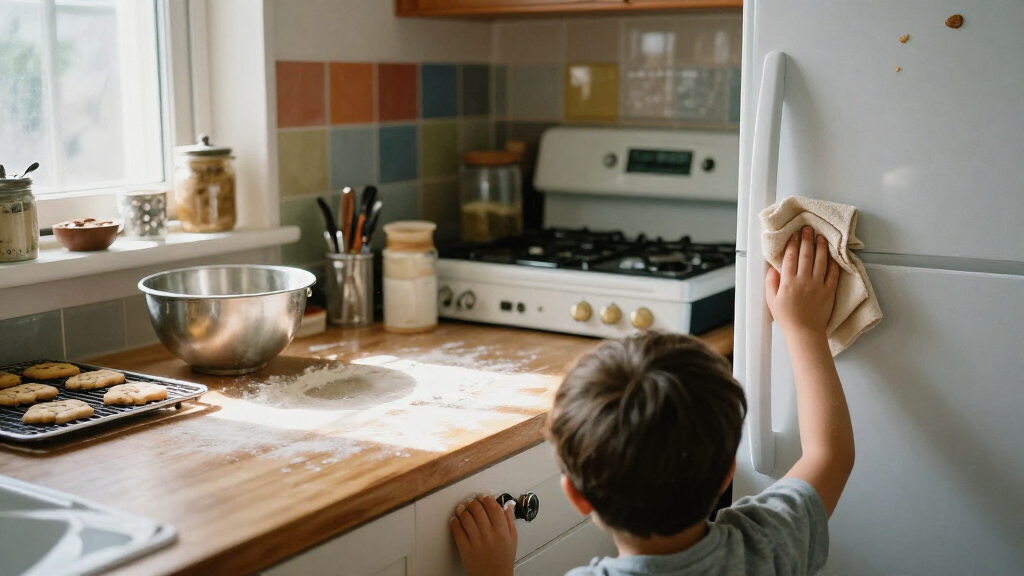
For kitchen appliances, the report recommends wiping down high-touch areas such as refrigerator and microwave handles, cooktop controls and coffee-maker surfaces. It also describes removing marks from stainless steel with a suitable cleaner or a solution of dish detergent and hot tap water, followed by rinsing and drying. For furniture, it recommends a lightly dampened microfiber cloth, a microfiber duster or an electrostatic duster to collect dust.
““Every seven days or so””
— Good Housekeeping report
Advice Is Not One-Size-Fits-All
The supplied report does not identify the individual professionals behind each recommendation or provide research comparing these cleaning schedules with alternatives. It also does not establish that every household needs to follow the same weekly timetable. The guidance itself allows for variation based on allergies, pets, illness, sweating and how much floors are used.
Cleaning products differ, so the report’s general directions should not replace label instructions or a surface manufacturer’s care guidance. The source does not provide a single disinfectant contact time: readers are directed to use the time printed on the product. It also does not specify a universal laundry temperature, instead advising readers to use the hottest setting safe for the fabric.
Building a Practical Cleaning Routine
The report offers a checklist rather than a new cleaning standard or a scheduled follow-up. Readers can use it to decide which tasks fit their own home, separating weekly work—such as bedding, bathroom fixtures and vacuuming—from periodic jobs such as wet-cleaning hardwood and dusting blinds. Product labels and care instructions remain the guide for disinfecting times and surface-safe methods.
Key Questions
Which nine areas does the report say are often missed?
They are sheets and pillowcases, kitchen appliances, rugs, hardwood floors, bathroom surfaces, toilets, light switches and doorknobs, towels, and wood furniture.
Do sheets need to be washed every week?
The report recommends washing sheets and pillowcases about every seven days. It says households may want to wash them more often when pets sleep in the bed or someone has allergies, sweats heavily or is ill.
How often does the report recommend cleaning hardwood floors?
It suggests sweeping every few days with a dry microfiber mop or electrostatic sweeper. A deeper wet clean with a hardwood-floor cleaner can generally wait one to two months, depending on use.
How long should disinfectant remain on a surface?
Follow the contact time on the product label. The report says bathroom and toilet surfaces should remain wet for the stated time, which may vary by product.
How often should rugs be professionally cleaned?
The roundup suggests weekly vacuuming for routine care and says to aim for professional cleaning about once a year. It recommends using carpet cleaner for stain removal as needed.
Source: goodhousekeeping.com