
TL;DR

Get baking supplies delivered free with Prime
- Fast, free delivery on millions of items
- Prime Video, Amazon Music and more included
- Member-only deals all year
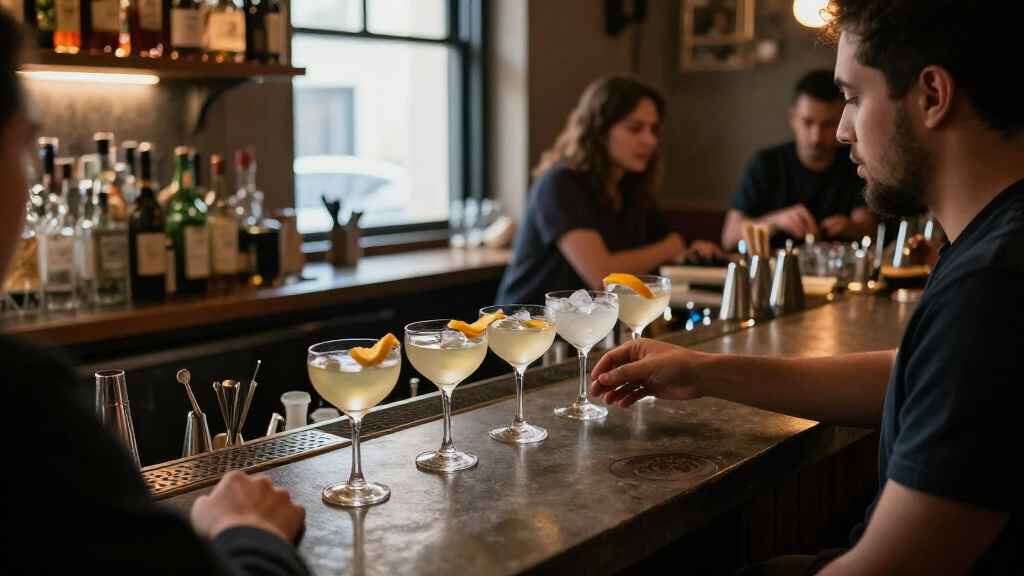
A growing group of bars is offering guided, multi-course cocktail tastings inspired by omakase, including venues in New York and Atlanta. The format can give bartenders room to connect a sequence of drinks and food, but industry voices disagree over whether simply serving a set tasting menu qualifies as omakase, and demand remains uncertain.
Omakase-style cocktail tastings are appearing at bars, where guests pay for a guided sequence of drinks and small bites rather than ordering a single cocktail. The format, reported by VinePair, is being used by venues including Cocktail Omakase in New York, Ophelia in Manhattan and Tiger Sun in Atlanta, though it is not yet clear how much sustained demand exists or whether each experience reflects the traditional meaning of omakase.
At Ophelia, a midtown Manhattan lounge, the 90-minute “Omacocktail” experience offers seven small cocktails and a selection of bites for about $100, with reservations sold through Bucket Listers. VinePair describes elaborate presentations involving smoke, atomization, clarification and edible glitter. For the final drink, the bartender adds drops of Louis XIII Cognac to a coupe; a server brings caviar alongside it. Ophelia beverage director Amir Babayoff told VinePair that the format lets guests sit with a bartender and learn about the methods behind the drinks.
Cocktail Omakase, on New York’s Lower East Side, offers a different price and structure: a four-course tasting for $55, with individual bites and a menu that changes every two weeks. The bar was founded by Greg Boehm of Cocktail Kingdom in collaboration with Tokyo’s Bar Libre. Boehm told VinePair that the experience is designed around interaction between guest and bartender, not only a sequence of cocktails. The bar seats guests directly in front of the bartender, while a separate seven-seat area offers drinks à la carte.
In Atlanta, Tiger Sun serves a four-course cocktail tasting paired with food for $95 per person inside a refurbished vintage tour bus. Its menus take themes from cult films of the 1970s, 1980s and 1990s. These examples show several versions of the format, but they do not establish how widespread it is across the bar industry.
A Guided Alternative to Single Drinks
The format gives bars another way to sell hospitality and a curated experience, not just individual drinks. A sequence can let a bartender connect flavors, techniques and food pairings over an hour, while guests see how the drinks are made and ask questions. Boehm told VinePair that multiple courses allow a bar to build contrasts and progression across a menu instead of asking one cocktail to carry the whole experience.
For customers, the trade-off is between a planned, often reservation-based experience and the flexibility of ordering à la carte. Prices cited by VinePair range from $55 to about $100 at the featured venues. The report does not provide sales figures, repeat-visit data or other evidence showing whether the tastings are commercially sustainable. The concept’s reach and its appeal beyond guests seeking a special occasion remain open questions.
As an affiliate, we earn on qualifying purchases.
From Sushi Counters to Cocktail Bars
Omakase means “I leave it to you,” referring to a guest trusting the person preparing the meal to choose what is served. VinePair traces the practice to Japanese street-food stalls during the Edo period, when vendors selected fresh fish for customers. The term later became associated internationally with high-end sushi experiences and now appears in descriptions of other food and hospitality formats.
The use of the word beyond sushi is disputed. Shinya Yamao, beverage director at Don’t Be Shy in New York, told VinePair that a tasting menu describes a format, while omakase describes the relationship between guest and creator. He argued that a predetermined sequence alone is not enough. Hospitality consultant Hiro Nishida offered a more expansive view, telling the publication that technique, seasonal ingredients and hospitality should be central, and that the term can help consumers describe new cocktail experiences.
The bar trend is therefore not just about serving several drinks in order. Its proponents say the guest-bartender relationship is part of the concept; critics question whether the label is being used as a fashionable shorthand. VinePair reports that cocktail tasting menus remain relatively uncommon, even as some bars experiment with the format.
“Everyone wants to know what’s going on behind the scenes these days.”
— Amir Babayoff, beverage director at Ophelia
Demand and Meaning Remain Unsettled
How large the audience is for cocktail omakases remains unclear, according to VinePair. The report does not supply booking rates, revenue data or evidence of repeat demand for the featured venues. The examples establish that several bars are testing the format, not that it has become standard practice.
There is also no shared definition of what makes a bar experience an omakase. Some industry professionals say the term requires a particular relationship, hospitality and attention to seasonality; others see it as a useful description for a new kind of cocktail experience. The report does not establish an industry-wide standard or indicate whether the term’s use will narrow or spread further.
Bars Will Test the Format
The venues described are continuing to offer distinct versions of the experience: Cocktail Omakase changes its four-course menu every two weeks, while Tiger Sun builds menus around film themes. Those details give customers a basis for comparing the formats, but the source does not announce a broader rollout, new openings or a timeline for expansion.
The next sign of the trend’s durability will be whether bars keep offering these tastings and whether guests book them repeatedly. For now, the reported examples point to an experiment in guided cocktail service, with both its commercial staying power and the appropriate use of “omakase” still unresolved.
Key Questions
What is a cocktail omakase?
It is a guided cocktail tasting in which a bar serves a planned sequence of drinks, often with food pairings. Some bars also frame the experience around interaction between guest and bartender.
Which bars are offering these tastings?
The VinePair report describes Ophelia and Cocktail Omakase in New York, and Tiger Sun in Atlanta. Their menus, settings and prices differ.
How much do the experiences cost?
The reported examples include Cocktail Omakase’s four-course menu at $55, Tiger Sun’s four-course food-paired tasting at $95 per person, and Ophelia’s 90-minute, seven-cocktail experience at about $100.
Does every cocktail tasting qualify as omakase?
There is no agreed standard in the report. Shinya Yamao argues that a set sequence alone is not enough; Hiro Nishida points to technique, seasonal ingredients and hospitality as key elements.
Is the trend becoming widespread?
The report identifies several venues experimenting with the format but provides no industry-wide figures or demand data. Its broader popularity and commercial staying power remain uncertain.
Source: rss
Fall Picks
fall essentials
As an affiliate, we earn on qualifying purchases.