
TL;DR

Get baking supplies delivered free with Prime
- Fast, free delivery on millions of items
- Prime Video, Amazon Music and more included
- Member-only deals all year
Maritozzi, a traditional Italian pastry, are becoming globally popular. This surge is driven by social media and evolving consumer tastes, though details on production and regional variations remain unclear.
Maritozzi, traditional Italian sweet buns originating from Rome, are experiencing a significant increase in global popularity, driven by social media trends and culinary curiosity. This rise matters because it highlights shifting consumer tastes and the growing influence of Italian pastries in international markets.
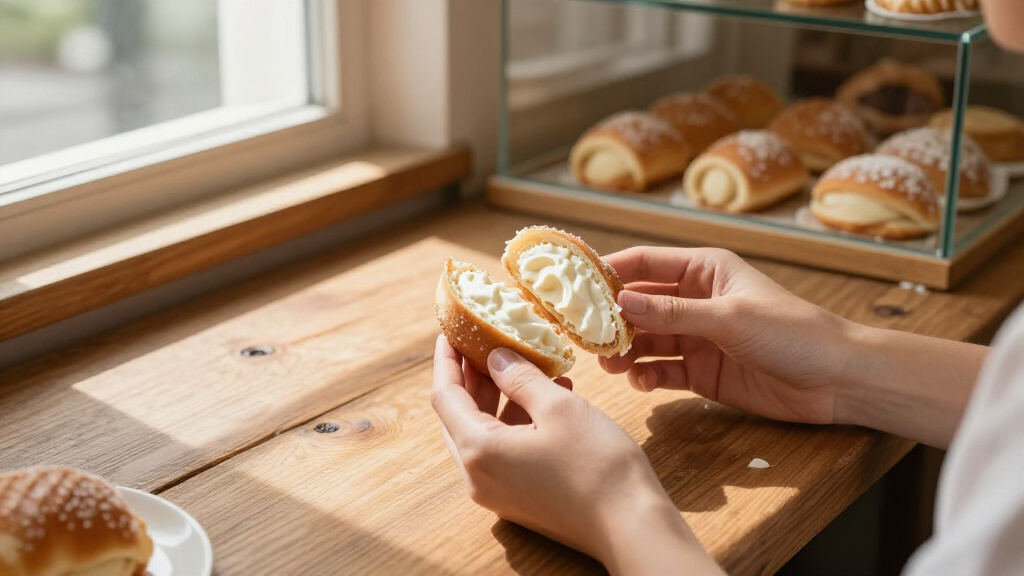
Sources indicate that bakeries across Europe, North America, and Asia have reported increased demand for Maritozzi since early 2024. The pastry is characterized by its soft, sweet bread filled with whipped cream or other sweet fillings. While traditionally associated with Rome, the pastry’s popularity has expanded beyond Italy, with many bakeries now offering variations with different fillings and toppings.
According to food industry analysts, social media platforms like Instagram and TikTok have played a crucial role in boosting awareness of Maritozzi, with food influencers sharing images and videos that showcase their appealing appearance and rich flavor. The trend has also been supported by a broader interest in artisanal and traditional baked goods among younger consumers.
Despite the rising popularity, there is limited data on regional variations, production methods, or whether the trend is sustainable long-term. Some local bakeries have begun to produce Maritozzi at scale, but details about mass production and potential commercialization are still emerging.
Impact of Maritozzi’s Growing International Popularity
The increasing popularity of Maritozzi reflects broader shifts in consumer preferences toward traditional and artisanal foods. It also demonstrates how social media can significantly influence food trends, enabling even lesser-known regional specialties to gain global recognition. This trend could benefit Italian bakeries and inspire new culinary innovations, but it also raises questions about authenticity and regional identity preservation.
As an affiliate, we earn on qualifying purchases.
Historical Roots and Recent Trend Development
Maritozzi have been a staple of Roman pastry cuisine for centuries, traditionally enjoyed during festivals and special occasions. Historically, the pastry was made with simple ingredients like flour, sugar, and yeast, filled with whipped cream or custard. Over the past decade, their recognition remained largely regional until early 2024, when social media exposure and culinary influencers began spotlighting them internationally. The recent surge in interest aligns with a broader global appetite for authentic, traditional foods that are visually appealing and shareable online.
“Maritozzi are a beloved part of Roman tradition, and it’s exciting to see them gaining international recognition. The key is maintaining their authentic flavor while embracing creative variations.”
— Maria Rossi, Italian pastry chef
Unclear Aspects of Maritozzi’s Global Rise
It is not yet clear how widespread the trend will become or whether it will lead to sustained production at scale. Details about regional adaptations, commercial branding, and whether traditional recipes will be preserved are still emerging. Additionally, the long-term impact on local bakeries and cultural authenticity remains uncertain.
Upcoming Developments in Maritozzi Popularity
Food industry observers expect increased media coverage and more bakeries experimenting with Maritozzi recipes. Monitoring social media trends and sales data over the coming months will clarify whether this popularity endures. Additionally, culinary events or festivals featuring Maritozzi could further boost recognition and demand.
Key Questions
What are Maritozzi traditionally made of?
They are made with soft, sweet bread, typically filled with whipped cream or other sweet fillings like custard or chocolate.
Why are Maritozzi gaining popularity now?
Social media platforms like Instagram and TikTok have played a significant role in promoting the pastry, along with a broader trend towards artisanal and traditional foods among younger consumers.
Are there regional variations of Maritozzi?
Yes, some bakeries are experimenting with different fillings and toppings, but detailed information on regional variations is still limited as the trend develops.
Will the trend last long-term?
It remains uncertain. The trend’s sustainability will depend on maintaining quality, authenticity, and consumer interest over time.
Where can I try authentic Maritozzi?
Traditional Roman bakeries are the best place to find authentic Maritozzi, but they are increasingly available in international bakeries and pastry shops worldwide.
Source: rss
Fall Picks
fall essentials
As an affiliate, we earn on qualifying purchases.