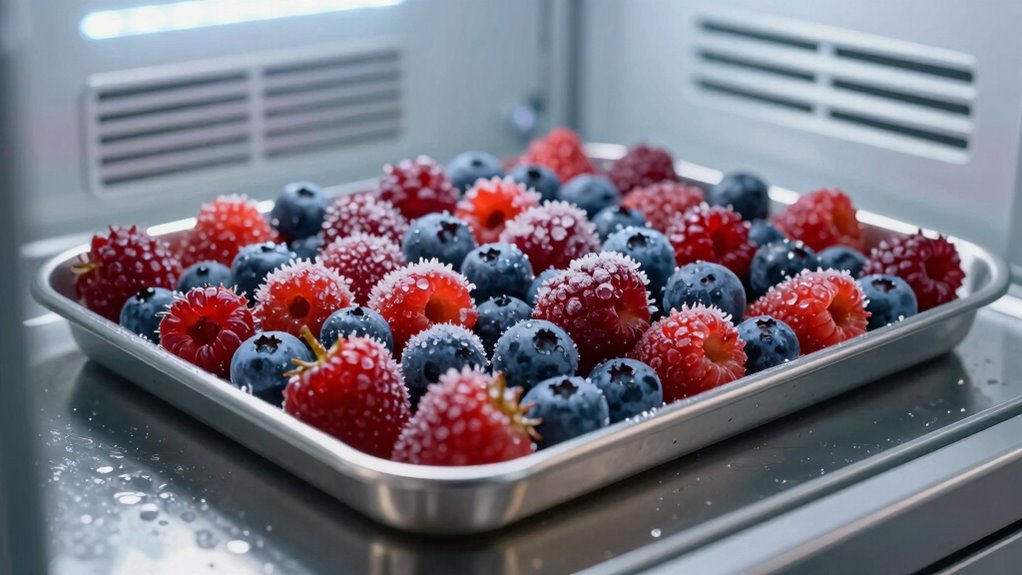

Cooling before packaging is more important than you might think because it stops bacteria growth, prevents spoilage, and keeps your products safe and fresh. It helps control moisture to avoid condensation, which can damage packaging and promote mold. Proper cooling preserves product quality, extends shelf life, and guarantees safety during handling and transport. If you want to understand how these factors work together to protect your products, there’s more to discover.

Get baking supplies delivered free — and shop member deals
- Fast, free delivery on millions of items
- Access to Prime Big Deal Days deals on October 6–7
- Prime Video, Amazon Music and more included
Key Takeaways
- Proper cooling prevents condensation inside packaging, maintaining seal integrity and preventing microbial growth.
- Effective temperature control extends shelf life and preserves product freshness for longer periods.
- Moisture management during cooling avoids texture deterioration and prevents mold and bacterial development.
- Consistent cooling ensures product safety, reducing the risk of spoilage and regulatory violations.
- Proper cooling enhances overall product quality, marketability, and consumer trust.
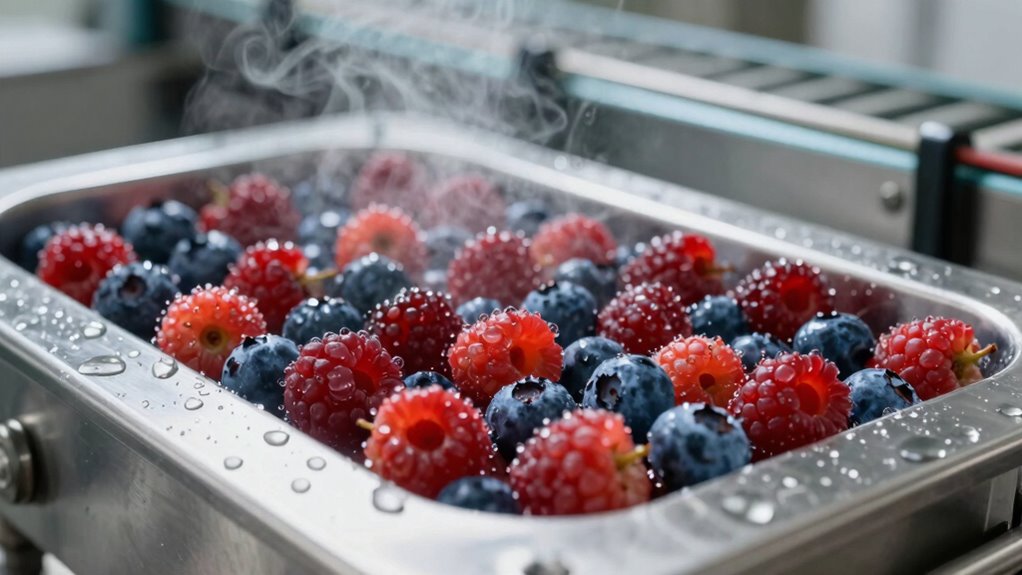
Cooling your products before packaging might seem like a minor step, but it plays an essential role in maintaining quality and safety. When you control the temperature effectively, you prevent bacteria growth and spoilage, keeping your products fresh and safe for consumers. Proper cooling slows down enzymatic reactions and microbial activity that can degrade the product, guaranteeing it remains at its peak condition until it reaches the customer. This step isn’t just about temperature; it’s about creating the right environment to preserve the product’s integrity. Effective temperature control during cooling is crucial for ensuring consistent quality.
Moisture management is equally crucial during this cooling phase. As products cool, moisture can condense on their surface, leading to potential issues like mold, bacterial growth, or texture deterioration. If moisture isn’t managed properly, it can compromise the quality of your packaging and the safety of the contents. Implementing controlled cooling methods helps regulate humidity levels, minimizing condensation and ensuring dryness. This preserves the product’s structural quality and reduces the risk of spoilage caused by excess moisture. Additionally, proper ventilation can help remove excess humidity from the environment, further protecting the product. Incorporating humidity control techniques can significantly enhance the cooling process and overall product safety. Moreover, integrating climate control systems ensures a more consistent environment, which is beneficial for sensitive products. Proper airflow management can also aid in preventing uneven cooling and condensation issues, further supporting product integrity.
By cooling your products before packaging, you also improve the efficiency of your packaging process. When products are at the right temperature, they’re less likely to cause condensation inside the packaging, which can weaken seals or create voids. A stable temperature reduces the likelihood of condensation forming during handling and transit, which means your packaging remains intact and effective. It also helps prevent the formation of ice crystals or moisture pockets that can damage delicate items.
Furthermore, controlling temperature and moisture during cooling enhances shelf life. When products are cooled properly, they stay fresher longer, extending their marketability. This not only benefits your bottom line but also builds trust with your customers, who receive products in prime condition. Proper cooling practices also ensure compliance with safety standards, protecting your brand from potential recalls or violations due to compromised products. Overall, maintaining optimal conditions during cooling directly supports your commitment to quality and safety.
industrial cooling systems for food packaging
As an affiliate, we earn on qualifying purchases.
As an affiliate, we earn on qualifying purchases.
Frequently Asked Questions
How Does Cooling Affect Product Shelf Life?
Cooling extends your product’s shelf life by slowing down microbial growth and enzymatic reactions. It promotes thermal stabilization, which helps maintain quality, texture, and flavor. Additionally, cooling reduces moisture loss, aiding moisture retention and preventing spoilage. By cooling your products properly before packaging, you guarantee they stay fresher longer, reduce waste, and preserve their intended quality, making cooling an essential step in effective storage and distribution.
What Temperature Is Ideal for Cooling Before Packaging?
The ideal temperature for cooling before packaging is typically between 0°C to 4°C. Proper temperature control is essential to prevent bacterial growth and maintain freshness. Use effective cooling methods like blast chilling or cold storage to reach and sustain this range quickly. Ensuring the product cools efficiently helps preserve quality, extends shelf life, and reduces spoilage, making your packaging process more reliable and your products safer for consumers.
Can Improper Cooling Cause Packaging Defects?
Improper cooling can definitely cause packaging defects. Poor cooling techniques may lead to uneven temperature distribution, causing materials to warp, crack, or become brittle. This compromises packaging integrity, making it less durable and increasing the risk of contamination or spoilage. Ensuring proper cooling is essential to maintain the quality and safety of your products, preventing costly defects and ensuring the packaging functions as intended.
How Does Cooling Impact Food Safety Standards?
Cooling controls contamination and curbs microbial growth, vital for food safety standards. When you cool food properly, you prevent bacteria from multiplying, reducing the risk of foodborne illnesses. Precise temperature control keeps perishable products safe during packaging, preserving quality and compliance. By prioritizing cooling, you guarantee your food meets safety regulations, protects consumers, and prolongs shelf life—making cleanliness and caution your best allies in food handling.
What Equipment Is Best for Effective Cooling?
You should use specialized equipment like cryogenic cooling systems and evaporative coolers for effective cooling. Cryogenic cooling rapidly lowers temperatures using liquid nitrogen or carbon dioxide, ideal for delicate products. Evaporative cooling, on the other hand, uses water evaporation to reduce heat efficiently. Both methods help maintain food safety standards, prevent spoilage, and guarantee product quality before packaging. Invest in the right equipment to optimize cooling and protect your products.
Conclusion
In the end, proper cooling isn’t just a step; it’s the secret to superior storage and savoring. Skipping this essential phase can cause costly contamination, compromise quality, and create chaos in your containers. So, stay sharp, slow down, and give your goods the grace of a good chill. When you prioritize proper cooling before packing, you prevent problems, protect your products, and promote perfection in every package. Play it smart—pause, cool, and confidently carry on.
Fall Picks
fall essentials
As an affiliate, we earn on qualifying purchases.



![Bread 🍞 [Bonnymama7]](https://thewaffleaffair.com/wp-content/uploads/2026/09/bread-bonnymama7-featured-260x140.jpg)