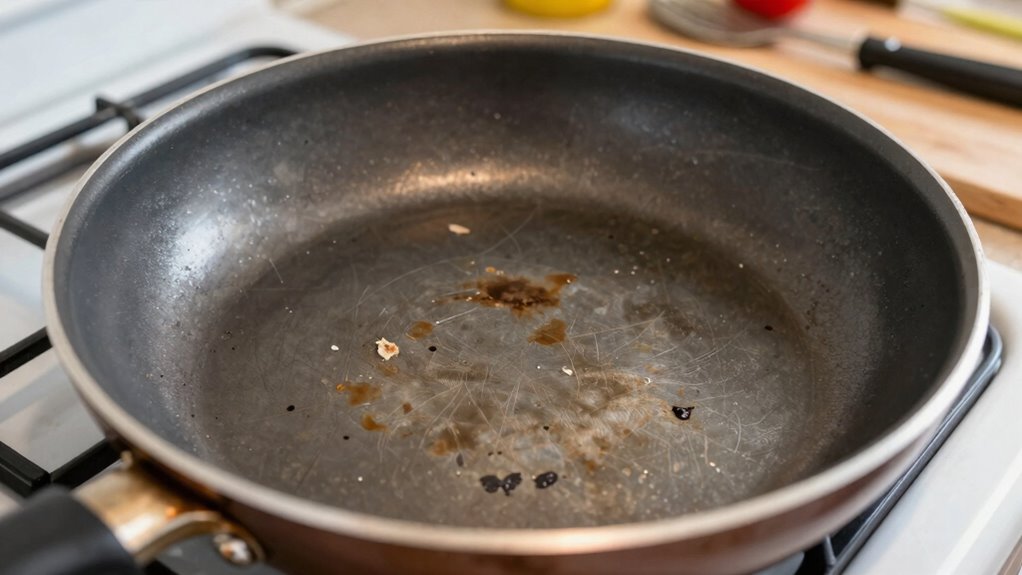

Nonstick coatings wear out faster in some kitchens because of frequent high heat, metal utensils, and harsh cleaning methods. Using excessive oil or cooking at high temperatures accelerates coating breakdown, while metal tools scratch and gouge the surface. Dishwashers and abrasive sponges can chip or peel the coating over time. By understanding these habits and adjusting your approach, you can extend the lifespan of your cookware—there’s more to discover if you keep exploring.

Get baking supplies delivered free with Prime
- Fast, free delivery on millions of items
- Prime Video, Amazon Music and more included
- Member-only deals all year
Key Takeaways
- Excessive use of oil or high-temperature cooking accelerates nonstick coating deterioration.
- Frequent dishwasher cleaning and harsh detergents weaken and chip the coating over time.
- Using metal utensils and stacking pans without protection cause scratches that damage the surface.
- Cooking at temperatures above recommended limits causes permanent damage to the nonstick layer.
- Lack of proper maintenance and cleaning habits lead to faster wear and reduced coating lifespan.
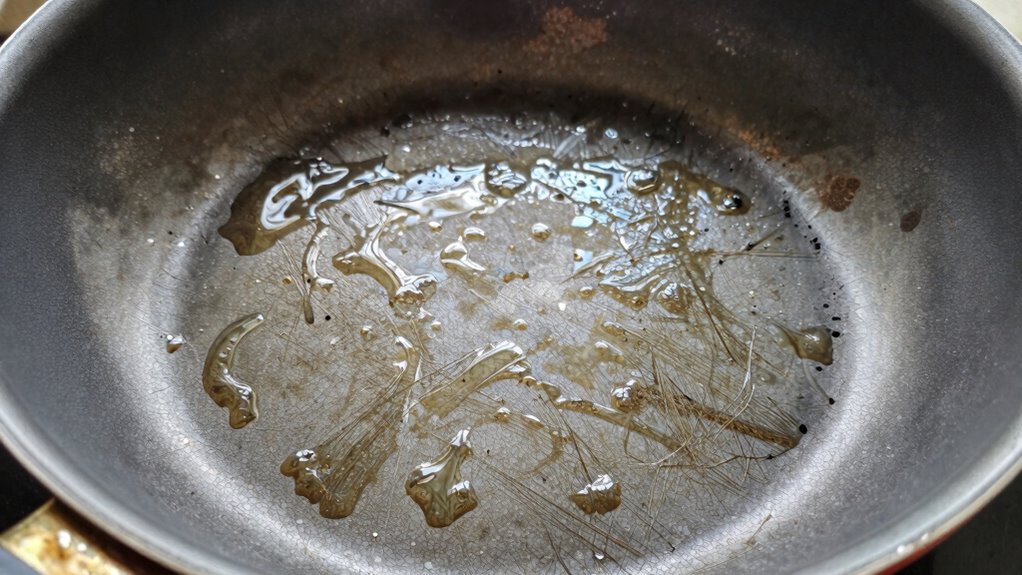
Nonstick coatings may seem durable at first, but they often wear out faster than expected, especially with regular use. If you’ve noticed your nonstick pans losing their slick surface sooner than you’d like, it’s likely because of how you’re using and caring for them. One major factor is the type and amount of cooking oil you use. Many people think that using a lot of oil will prevent sticking, but in reality, excess oil can build up on the surface and cause the coating to degrade over time. Opting for a small amount of oil or even using non-oil methods, like water or broth, can help preserve the coating longer. You also need to pay attention to the quality of the oil; some oils are more prone to breaking down at high heat, which can damage the nonstick surface faster. Additionally, repeated exposure to high heat can accelerate coating wear, making temperature control essential.
Another overlooked aspect is dishwashing safety. While many nonstick cookware labels claim they’re dishwasher safe, repeated washing in a dishwasher can accelerate the wear and tear of the coating. The high temperatures and abrasive detergents used in dishwashers can weaken the nonstick layer, causing it to peel, chip, or lose its slickness prematurely. If you want your nonstick pan to last, it’s best to hand wash it with gentle sponge and mild dish soap. This reduces unnecessary stress on the coating and helps maintain its integrity over time. Also, avoid using metal utensils, which can scratch and gouge the surface, making it more vulnerable to wear.
Proper storage habits also matter. Stacking pans without protection can cause scratches that compromise the nonstick layer, so using pan protectors or placing a soft cloth between cookware is a smart move. Temperature control is equally critical; cooking at very high heat can break down the coating faster, especially if the pan isn’t designed for such temperatures. Many cooks forget that nonstick coatings are sensitive to heat, and exceeding recommended temperatures can cause permanent damage. Being aware of the wear mechanisms involved can help you better care for your cookware and extend its lifespan. Recognizing the importance of proper cooking techniques can also prevent unnecessary damage. Proper cleaning methods also play a crucial role in maintaining the integrity of the nonstick surface over time. Paying attention to cooking habits can significantly impact how long your nonstick coatings last, so adopting gentle and mindful techniques is essential. Additionally, understanding the material composition of your cookware can guide you in choosing the best practices for its longevity.
silicone cooking utensils nonstick cookware safe
As an affiliate, we earn on qualifying purchases.
As an affiliate, we earn on qualifying purchases.
Frequently Asked Questions
Are Some Brands More Durable Than Others?
Some brands are definitely more durable than others because of brand comparison and durability factors. You’ll find that reputable brands often use higher-quality materials and better manufacturing processes, which extend the lifespan of nonstick coatings. Cheaper options tend to wear out faster due to lower-quality coatings and less thoughtful construction. So, investing in well-reviewed, trusted brands usually means you get a more durable nonstick surface that lasts longer in your kitchen.
Can Dishwasher Cleaning Damage Nonstick Coatings?
Sure, tossing your nonstick pan into the dishwasher might seem like a quick fix, but it’s actually a recipe for coating disaster. Dishwasher safety isn’t great for nonstick coatings—they endure harsh detergents and high heat, which can strip or damage them. For coating maintenance, hand washing with gentle scrubbers is best. Keep your nonstick surface intact and your cooking game strong, avoiding dishwasher damage at all costs!
Do Certain Cooking Oils Affect Coating Longevity?
Certain cooking oils can impact coating longevity because oil durability and oil coating compatibility vary. Using oils with high smoke points, like avocado or grapeseed oil, reduces residue buildup and prevents damage. Conversely, thick or sticky oils, such as butter or coconut oil, may stick more and wear down the coating faster. To extend your nonstick pan’s life, choose oils that are compatible with its coating and avoid overheating.
How Does Altitude Impact Nonstick Performance?
Altitude effects can impact your nonstick pans by making the coating degrade faster. At higher elevations, lower air pressure and increased boiling points cause cooking temperatures to rise, which can accelerate nonstick degradation. You might notice your coating wears out sooner because the intense heat and rapid temperature changes strain the nonstick surface. To prolong your pan’s life, cook at lower temperatures and avoid sudden temperature shifts when cooking at high altitudes.
Is It Safe to Repair Damaged Nonstick Surfaces?
It’s generally not safe to repair damaged nonstick surfaces yourself using DIY solutions or chemical repair kits. These repairs often don’t restore the coating properly and can introduce health risks from chemicals. Instead, consider replacing the pan or consulting a professional for proper restoration. Using damaged nonstick cookware can cause flakes or chemicals to mix with your food, so prioritizing safety is the best choice.
Conclusion
To keep your nonstick coatings lasting longer, treat your pans with care—avoid metal utensils and harsh scrubbing. Think of your pan as a delicate dance partner; gentle moves ensure it stays in step longer. By giving your cookware the respect it deserves, you’ll prolong its life and enjoy effortless cooking for years to come. Remember, a little TLC turns a fleeting friendship into a lasting bond in your kitchen.
Halloween Picks
halloween
As an affiliate, we earn on qualifying purchases.