
TL;DR

Get baking supplies delivered free with Prime
- Fast, free delivery on millions of items
- Prime Video, Amazon Music and more included
- Member-only deals all year
The FDA has begun onsite inspections in two outbreak investigations: an E. coli outbreak linked to Sierra Nevada Graziers raw-milk cheeses and a Listeria outbreak with no identified source. The agency has not disclosed the inspection locations or, in the Listeria investigation, the food being traced. A separate investigation has linked 38 E. coli infections to chicken wraps that are no longer on sale.
The Food and Drug Administration has begun onsite inspections in two foodborne illness investigations, including an E. coli outbreak linked to Sierra Nevada Graziers raw-milk cheeses and a Listeria outbreak whose source has not been identified. The agency has not disclosed where the inspections are taking place, limiting what consumers can know about the products and facilities under investigation.
The E. coli investigation concerns E. coli O26:H11 infections associated with unpasteurized, grass-fed cheeses sold under the Sierra Nevada Graziers name. The products were distributed nationwide, according to the report. At least 13 people in nine states have been reported sick, and eight have been hospitalized.
Three patients developed hemolytic uremic syndrome, a serious condition that can cause kidney failure and, in some cases, brain damage or death. The reported patients live in California, Colorado, Georgia, Kentucky, Michigan, Nevada, Oregon, Tennessee and Utah. The FDA has not identified the location being inspected.
The other newly reported inspection concerns a Listeria monocytogenes outbreak with 11 patients. The FDA has not reported patients’ ages or locations, identified the food involved, or disclosed the inspection site. The agency had previously started traceback efforts, but the food being traced remains undisclosed.
Inspection Details Shape Consumer Guidance
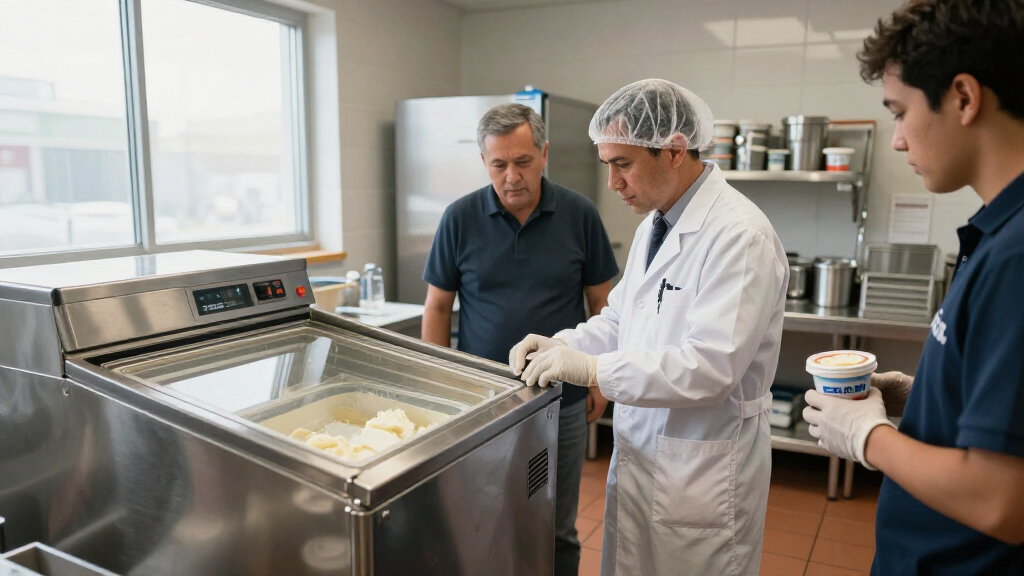
Onsite inspections can help investigators examine a facility and gather information relevant to how contamination may have occurred. In these cases, though, the FDA has released little detail about the locations under inspection, and the Listeria source is still unknown. That means the public cannot use the inspection announcements alone to identify a particular facility or food to avoid.
The raw-milk cheese investigation carries added relevance because the product was distributed nationwide and the outbreak includes hospitalizations and serious complications. The reported illnesses span nine states, but the available information does not establish where or when each patient was exposed. Consumers should rely on official FDA updates for any specific product or recall instructions rather than infer that all raw-milk cheese, or products from an unreported facility, are implicated.
The reports also show why outbreak investigation steps matter beyond the initial case count. Inspections, traceback work and testing can help agencies identify a source, but an inspection announcement is not itself a finding that a particular location caused illnesses.
As an affiliate, we earn on qualifying purchases.
Other FDA Outbreak Investigations
The report also describes a separate E. coli O157:H7 investigation in which authorities linked 38 infections to ready-to-eat, multi-ingredient chicken wraps. The FDA has started an onsite inspection in that case but has not named the inspection location or disclosed the product’s brand or place of sale. Because the wraps contain chicken, the U.S. Department of Agriculture has jurisdiction over the product.
According to the FDA, the implicated wraps were removed from the market before the outbreak link was confirmed, are no longer available for sale and are past their shelf life. The FDA is continuing to investigate the source, including possible contamination of an ingredient. The report says the USDA had not posted separate information about the outbreak beyond a link to the FDA’s outbreak table.
A Salmonella I 4,[5],12:i:- outbreak has been declared ended, but the FDA’s investigation is continuing. The report lists 43 patients and says the agency is conducting inspections, traceback and sample testing. It has not identified the food being traced, the locations inspected or the material being tested.
“The chicken wraps were removed from the market before the link to the outbreak was confirmed and they are no longer available for sale and past their shelf life.”
— Food and Drug Administration, as reported by Food Safety News
Inspection Sites and Food Sources
The FDA has not named the sites being inspected in either of the newly reported investigations. For the Listeria outbreak, the food being traced and the source of exposure are also unknown based on the report. The agency has not provided patient ages or locations for those 11 cases.
For the raw-milk cheese outbreak, the report identifies the product and states that it was distributed nationwide, but it does not specify affected lots, purchase dates, the inspection location or whether a recall or other consumer action has been announced. The reported case count may change as investigators assess additional information. The report does not provide a date range for illnesses, so the timing of exposure cannot be established from the information available.
Details also remain limited in the chicken-wrap and Salmonella investigations: the wrap brand and sales locations have not been disclosed, while the FDA has not identified the food or samples involved in the Salmonella work. An inspection, traceback effort or test does not by itself establish the cause of an outbreak.
Further Findings and FDA Updates
Investigators are expected to continue their onsite work and, where relevant, traceback and sample testing. The FDA may release additional information if it identifies a source, a product or a specific facility, or if it determines that consumers should take action. The report does not give a timetable for those updates.
For the raw-milk cheese and Listeria investigations, the next useful developments would include any confirmed source, product-level details and updated illness counts. The chicken-wrap probe is still examining possible ingredient contamination even though the product is no longer on sale, while the Salmonella outbreak has ended but its investigation remains active. Until agencies publish further findings, the affected inspection locations and some product details remain unknown.
Key Questions
Which products are linked to the newly reported outbreaks?
The E. coli O26:H11 investigation is linked to Sierra Nevada Graziers unpasteurized grass-fed cheeses. The Listeria outbreak’s food source has not been identified in the report.
How many people have been reported sick in the raw-milk cheese outbreak?
At least 13 people across nine states have been reported sick. Eight were hospitalized, and three developed hemolytic uremic syndrome.
Has the FDA said where it is inspecting?
No. The report says the agency has not disclosed the inspection location in either of the two investigations announced in the update.
Are the chicken wraps still for sale?
The FDA said the implicated wraps were removed from the market before their outbreak link was confirmed and are no longer available for sale or within their shelf life. The brand and places of sale have not been disclosed.
Does an onsite inspection prove a facility caused an outbreak?
No. An inspection is part of an investigation; it does not by itself establish the source of contamination or show that a particular facility caused illnesses.
Source: rss
Halloween Picks
halloween
As an affiliate, we earn on qualifying purchases.