TL;DR
Thanksgiving dessert serving platters are flat or raised dishes used to present and serve sweets after the holiday meal. Match the platter’s usable surface to your desserts, pick a stable material you can care for, and leave space for utensils and guests’ hands. Use separate dishes for foods with different temperatures or allergens, and check the care label before heating or washing a platter.
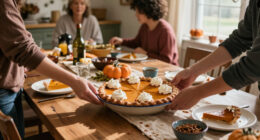
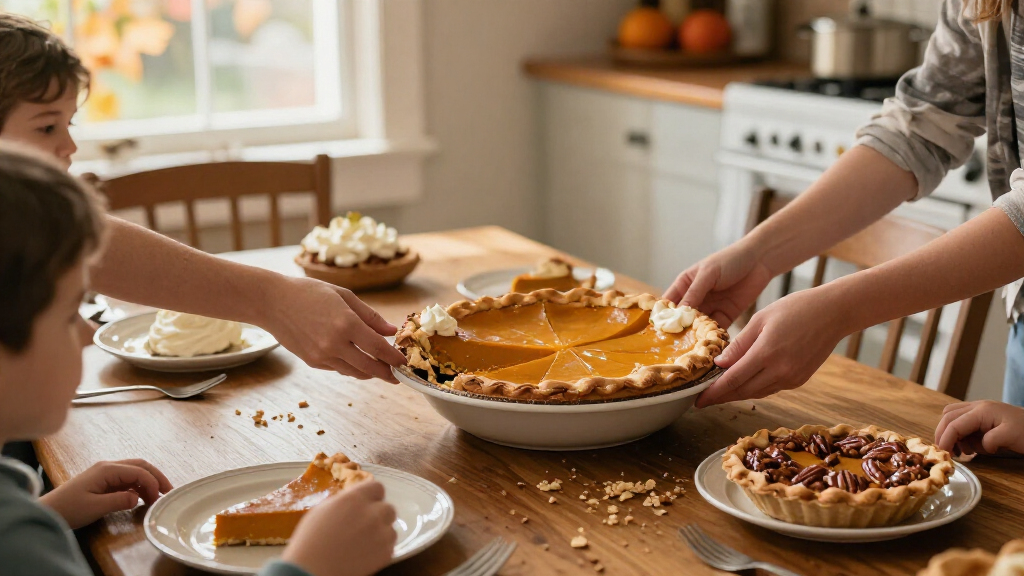
A beautiful pie can become the hardest dish on the table if you have nowhere steady to set it down. The right Thanksgiving dessert serving platters help you present pies, cookies, bars, and cakes while keeping the serving line moving.

Get baking supplies delivered free with Prime
- Fast, free delivery on millions of items
- Prime Video, Amazon Music and more included
- Member-only deals all year
This guide shows you how to match platter size and shape to the sweets you plan to serve, choose a material that suits your kitchen, and arrange desserts so guests can reach them. You’ll also get straightforward food safety and care tips, because a festive dish still needs to handle real food and a busy room.
Think of the dessert table as a small stage: the platter frames the food, but it also has a job. A stable base, enough room for a pie server, and space between treats can matter more than an elaborate autumn pattern. A few well-chosen pieces will often serve you better than a crowded collection.
Measure the dessert and the platter’s usable surface, not just its outside dimensions.
Use round platters for small treats, rectangular ones for bars, and a raised stand when a cake needs a focal point.
Keep hot, chilled, and allergen-containing desserts on suitable separate dishes with their own utensils.
Check care instructions before heating, microwaving, dishwashing, or exposing a platter to sudden temperature changes.
Leave room for serving tools and guests’ hands, then refill smaller platters as needed.
Choose platter shapes that make each dessert easy to serve
Thanksgiving dessert serving platters work best when their shape suits both the dessert and the serving motion. A round platter gives cookies and small pastries room to form a loose ring, so guests can take one from the edge without reaching across the food. A rectangular platter keeps brownies and cake bars aligned; that makes portions easy to see and leaves a clear approach for tongs. A raised stand gives a whole cake height and visibility, but its narrow footprint and elevated center can make it harder to carry or reach around.
Picture your cousin balancing a plate while reaching for a lemon bar. If the bars sit in tidy rows on a long platter, she can lift one without nudging a cookie tower. That arrangement also makes it easier to notice when a section is running low and needs replenishing. For a whole pie, a platter can work once the pie has cooled, but the flat surface does not support the crust or contain filling the way a pie plate does. Cutting directly on a serving platter may also scratch it. If you want neat slices and less cleanup, cut and serve from a pie plate; use a platter when you want to display the intact pie.
Measure both the dessert and the platter’s usable surface area. Outer dimensions can be misleading when a wide rim or curved sides leave little flat space. Allow room for the utensil to rest and for fingers to lift a serving. That margin uses more table space, but it reduces crowding and crumbs falling onto the table. A dish packed edge to edge may hold more at first, yet guests have fewer comfortable places to reach.
Platter, cake stand, and pie plate each solve a different problem. A platter is easy to load and carry, a stand makes a centerpiece visible, and a pie plate supports cutting and contains juices. On a small table, a raised stand can free surface area beneath its footprint, but it may block sightlines or access to dishes behind it. Place the tallest piece toward the back, then keep frequently served treats in flat dishes near the front.
Products Worth Considering

Weber Lumin Portable Electric Grill, Black

Ninja Sizzle Indoor Grill and Griddle, 14-Inch, 500°F, Grey/Silver (GR101)
Instant Pot Duo 6 Qt 7-in-1 Electric Pressure Cooker, Stainless Steel
As an affiliate, we earn on qualifying purchases.
Pick a material that looks good and fits your kitchen
The best platter material is the one that suits your serving style, care routine, and storage space. Ceramic and stoneware feel substantial and often come in seasonal patterns; that weight can help a platter stay put as guests serve themselves, though it can be awkward to carry one-handed. Porcelain offers a refined look and is often lighter, but delicate pieces still need careful handling. Glass lets guests see the colors and layers of bright fruit tarts, though its transparency can make crumbs and fingerprints more visible. Wood and slate bring a rustic feel that pairs well with a casual dessert spread, but they may need more attention to moisture and cleaning.
Those differences matter most during a busy meal. A heavy stoneware platter is reassuring on a crowded table but less comfortable to move when full. Glass makes jewel-toned cranberry bars stand out, yet a knock against a sink can chip it and end its usefulness as a serving surface. Wood and slate can make simple cookies look polished, but syrup or grease may linger if the surface is not cleaned as directed. Consider who will carry the platter, where it will sit, and how much cleanup you want afterward—not only how it looks in a shop.
Check the manufacturer’s instructions before putting a platter in the oven, microwave, or dishwasher. Serving-safe does not mean oven-safe: a dish made to hold room-temperature food may not tolerate direct heat, and rapid temperature changes can cause cracking. That is why a chilled glass platter should not go straight into a hot oven unless its instructions specifically allow it. When the label is unclear, transfer food to cookware made for heating and use the platter only for serving.
Think past Thanksgiving when you shop. A neutral ceramic piece can serve roasted vegetables in November, sandwiches in summer, and cookies in December, making storage space easier to justify. A specialized seasonal pattern may feel festive, but it can sit unused for most of the year. Tiered stands save counter space by stacking servings vertically, though the height can make food harder for children or seated guests to reach. Check whether the pieces come apart and fit your storage space before choosing one.
Arrange a dessert table guests can navigate easily
A dessert table feels inviting when guests can see what’s available, reach a serving utensil, and tell one treat from another. Group sweets by type or flavor, and leave small gaps between dishes so guests can lift a platter or set down a plate without bumping neighboring food. A Thanksgiving dessert serving setup might put pies on one side, bite-size cookies in the middle, and bars near the plates and napkins. This layout creates a natural flow from choosing a dessert to taking a plate, rather than making guests reach back and forth across the table.
For a mixed platter, arrange treats in clear sections instead of piling everything together. A crescent of ginger cookies beside chocolate truffles adds color while letting guests choose without disturbing the other sweets. Clear sections also make it easier to spot what needs replenishing. Place small labels by the food when guests may need to know about allergens or dietary preferences. Keep foods containing common allergens, such as peanuts or tree nuts, separate from other treats, with their own utensils; otherwise, crumbs on a shared server can make the separation meaningless.
Decorations can add a holiday touch, but don’t let them touch food unless they’re food-safe. A few autumn leaves tucked around the platters or a small centerpiece can bring in warm color without taking up serving space. If you use greenery, keep it clear of edible items and away from places where guests will set their plates. The goal is to frame the food without narrowing the path hands and serving tools need.
Here’s a practical sequence for setting up: put out plates and napkins first, place serving dishes where hands can reach them, add the matching utensils, then label treats and check the path around the table. Picture a guest carrying a plate in one hand and reaching with the other. If a tall stand blocks the cookies behind it, move one dish; guests should be able to see and reach the main choices without lifting or shifting another platter. That small adjustment prevents spills and keeps the line moving.
Keep warm pies and chilled sweets in safe serving conditions
Use separate serving dishes for desserts that need different temperatures, and don’t assume a decorative platter can take hot food. A warm pie can sit on a room-temperature platter only if the dish is intended for serving and can handle the food’s heat; temperature differences can stress some materials. Never move a cold platter straight into a hot oven without checking its care instructions. Follow the recipe’s storage guidance for desserts that need refrigeration, since the platter does not keep food cold.
This matters when the Thanksgiving meal runs long. You might bring out apple pie while guests are still finishing dinner, then set out a chilled cream pie later. Keep the cold dessert refrigerated until it’s time to serve, and return it to the refrigerator promptly after guests finish. A platter is a serving surface, not a substitute for safe cold storage. Bringing out only what guests are ready to eat also avoids leaving the whole dessert exposed while the meal continues.
Separate foods that could transfer allergens or strong flavors. If one dessert contains nuts, keep it on its own labeled platter and give it its own serving utensil. That separation helps guests make informed choices, but it works only if utensils stay with their dishes and guests do not move crumbs between them. Set the nut-containing dessert slightly apart, where its label is easy to see.
Serve food with clean hands and clean utensils, and avoid leaving perishable desserts sitting out longer than the recipe or food safety guidance allows. If you are unsure whether a platter can go in the microwave or oven, keep it out of those appliances and transfer the dessert to cookware labeled for that use. Planning when each dessert comes out helps protect its texture and temperature while keeping the serving table manageable.
Use a simple setup plan to keep serving smooth
A short setup plan helps you choose how many dishes to set out and where each one should go. You don’t need a separate platter for every recipe; you need enough space for guests to serve themselves without mixing utensils or crowding the table. Start with the menu, then group desserts by shape, temperature, and any allergen concerns. This prevents a common mismatch: choosing dishes based on what looks attractive, then discovering there is no room for the pie server or that a chilled dessert has nowhere to stay cold.
- Count the desserts and note which need refrigeration or a dedicated utensil. Those requirements affect how many dishes you need and when each dessert should come out.
- Measure the largest items, especially a whole pie or cake, and check that each dish has a stable base. A dish that barely fits may technically hold the dessert but leave no space to serve it cleanly.
- Choose a platter for each group: long for bars, broad and flat for cookies, raised for a centerpiece cake. Match the shape to the serving motion, and reserve table space for tools and hands.
- Set out plates, napkins, labels, and serving tools where guests can reach them without crossing one another. This keeps people from reaching over food or creating a bottleneck at one end of the table.
- Keep extra portions back and replenish a platter as space opens up. Smaller batches are easier to reach and keep the display looking fresh without crowding the table.
For example, if you’re serving two pies, a bowl of cookies, and a tray of brownies, you might use one pie plate for slicing, one flat platter for the second pie, a round dish for cookies, and a long platter for the brownies. If the table is small, put out half the cookies and refill them later. A second wave of treats beats stacking sweets into a wobbly tower because it gives guests room to choose and reduces the chance of a pile tipping over.
That plan also helps you avoid buying pieces you’ll use once. Many thanksgiving dessert platters are serving dishes that can work for other meals, too. If you entertain only once or twice a year, a few versatile pieces may suit you better than a large matching set; fewer pieces take less storage space and are easier to keep track of during cleanup.
Protect seasonal platters so they last past the holiday
Follow the platter’s care label, clean it with the method the maker recommends, and dry it fully before storage. Check for dishwasher and microwave labels instead of guessing based on whether the dish is ceramic or glass. Glazes, handles, painted patterns, and metal accents can change what care a piece can handle, so two platters made from the same material may have different limits.
After dinner, let hot dishes cool as their instructions direct before washing them. Avoid a sudden temperature shock, such as rinsing a hot platter with icy water, if the maker warns against it; a crack may not appear until the next time the dish is used. For wood or slate, wipe promptly if syrup, butter, or fruit juice spills. Letting residue dry can make cleanup harder and may leave stains or odors.
Storage deserves a little thought, too. A large platter wedged beneath a stack of heavy pans can chip at the rim before next Thanksgiving arrives, and a small chip can spread if another dish presses against it. Store delicate pieces upright in a rack or place padding between stacked dishes. If you have a tiered stand, check whether it disassembles and keep its smaller parts together so they do not scratch other pieces or go missing.
One host might wrap a hand-painted platter in a clean cloth before placing it on a high shelf. Another might keep a sturdy neutral plate within easy reach for everyday use. Either way, careful storage protects the surface and edges, so the dish stays useful for birthday cake, weekend brunch, or the next plate of warm brownies.
Frequently Asked Questions
What size platter do I need for a Thanksgiving dessert?
Measure the dessert first, then check the platter’s usable area and leave room for a utensil and guests’ hands. For several small treats, choose a dish that holds them in a visible layer rather than stacking them high.
Can I put a whole pie directly on a serving platter?
Usually, if the pie has cooled and the platter is large and stable enough. A platter may not have the raised edge of a pie plate, so slicing and lifting neat pieces can be harder.
What’s the difference between a dessert platter and a cake stand?
A platter is generally flat, which makes it easy to load and carry. A cake stand raises the dessert for visibility and can save table space, though it may be less convenient to transport or store.
Which material is best for a dessert serving platter?
There’s no single best material. Ceramic and porcelain suit traditional tables, glass shows colorful desserts, and wood or slate gives a more casual look; choose based on stability, cleaning, and storage.
Are ceramic or glass platters oven-safe?
Not necessarily. Check the manufacturer’s instructions before using a platter in an oven or microwave, and don’t expose it to sudden temperature changes unless its care label allows that use.
How many platters should I set out?
Use enough dishes to keep desserts accessible without crowding the table. Separate foods that need different temperature handling or utensils, and refill smaller platters as guests serve themselves.
Conclusion
Choose each platter for the dessert it needs to hold and the way your guests will serve it. A steady base, enough usable space, and a clear spot for the utensil make more difference than a perfect seasonal pattern.
Set out the pie, leave a little room around the cookies, and let the table invite people in. When the last brownie disappears, the best platter is the one that made reaching for it easy.