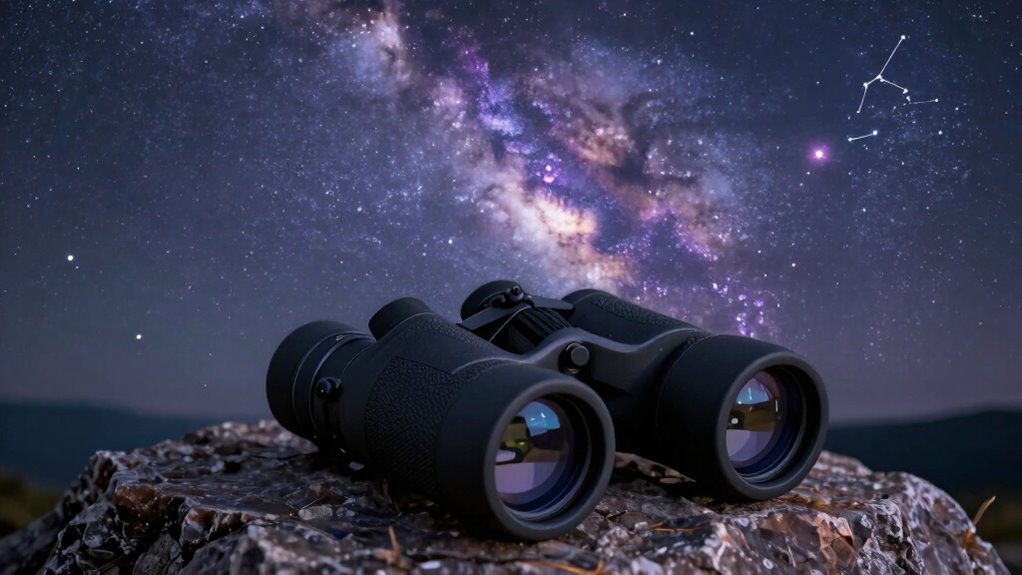

Choosing binoculars for stargazing involves balancing magnification, light-gathering ability, and ease of use. The Vortex Triumph HD 10×42 stands out as the best overall for its excellent image clarity and durable build, making it ideal for serious astronomers. For those on a budget, the Celestron Cometron 7x50mm offers decent performance without breaking the bank. Meanwhile, the Celestron SkyMaster 20×80 provides impressive deep-sky views, though it requires a sturdy tripod. Readers should consider tradeoffs like size, weight, and light-gathering power, which vary widely in this category. Keep reading for a detailed breakdown of each option to find the best fit for your stargazing needs.

Get baking supplies delivered free with Prime
- Fast, free delivery on millions of items
- Prime Video, Amazon Music and more included
- Member-only deals all year
Complete the kit


Key Takeaways
- Magnification and aperture size are the most critical factors for viewing faint celestial objects.
- Larger binoculars gather more light but tend to be heavier and less portable, influencing usability in the field.
- Image stabilization can significantly improve viewing comfort with high-magnification models, but often comes with additional cost.
- Budget options like 7x50s still deliver decent stargazing performance, especially for beginners or casual observers.
- Tripod compatibility is essential for high-power binoculars to prevent fatigue and maintain steady views.
| Vortex Triumph HD 10×42 Binoculars |  | Best Overall for Versatile Outdoor Use | Magnification: 10x | Objective Lens Diameter: 42mm | Optical System: HD | VIEW ON AMAZON | See Our Full Breakdown |
| Celestron UpClose G2 10×50 Porro Binoculars for Wildlife & Astronomy |  | Best Value for Bright, Sharp Images | Magnification: 10x | Objective Lens Diameter: 50mm | Prism Type: Porro | VIEW ON AMAZON | See Our Full Breakdown |
| Celestron SkyMaster 20×80 Binoculars for Deep-Sky Astronomy |  | Best for Serious Deep-Sky Observers | Magnification: 20x | Objective Lens Diameter: 80mm | Exit Pupil: 4mm | VIEW ON AMAZON | See Our Full Breakdown |
| Celestron Cometron 7x50mm Astronomy Binoculars |  | Best for Beginners and Wide Sky Views | Magnification: 7x | Objective Lens Diameter: 50mm | Angular Field of View: 6.6° | VIEW ON AMAZON | See Our Full Breakdown |
| Celestron SkyMaster Pro ED 7×50 Binoculars for Wide Night-Sky Views |  | Best Premium for Sharp, True-to-Life Night Sky Imaging | Magnification: 7x | Objective Lens Diameter: 50mm | Lens Coatings: XLT multi-coatings | VIEW ON AMAZON | See Our Full Breakdown |
| Celestron SkyMaster 15×70 Astronomy Binoculars for Stargazing and Deep-Sky |  | Best Overall for Serious Astronomers | Magnification: 15x | Objective Lens Diameter: 70mm | Prism Type: BaK-4 | VIEW ON AMAZON | See Our Full Breakdown |
| Celestron Outland X 10×50 Binoculars for Low-Light Wildlife Viewing |  | Best for Outdoor Adventures and Versatility | Magnification: 10x | Objective Lens Diameter: 50mm | Angular Field of View: 5.6° | VIEW ON AMAZON | See Our Full Breakdown |
| Celestron SkyMaster 25×70 Binoculars for Astronomy, Long-Range & Wildlife |  | Best for Long-Distance Astronomy and Wildlife Observation | Magnification: 25x | Objective Lens Diameter: 70mm | Prism Type: BaK-4 | VIEW ON AMAZON | See Our Full Breakdown |
| Celestron SkyMaster 12×60 Binoculars for Astronomy & Wide-Field Viewing |  | Best for Wide-Field and Moderate Magnification | Magnification: 12x | Objective Lens Diameter: 60mm | Prism Type: BaK-4 | VIEW ON AMAZON | See Our Full Breakdown |
| binoculars for stargazing | Magnification | Objective Lens Diameter | Prism Type |
|---|---|---|---|
| Vortex Triumph HD 10×42 Binocu | 10x | 42mm | — |
| Celestron UpClose G2 10×50 Por | 10x | 50mm | Porro |
| Celestron SkyMaster 20×80 Bino | 20x | 80mm | BaK-4 |
| Celestron Cometron 7x50mm Astr | 7x | 50mm | Porro |
| Celestron SkyMaster Pro ED 7×5 | 7x | 50mm | — |
| Celestron SkyMaster 15×70 Astr | 15x | 70mm | BaK-4 |
| Celestron Outland X 10×50 Bino | 10x | 50mm | — |
| Celestron SkyMaster 25×70 Bino | 25x | 70mm | BaK-4 |
| Celestron SkyMaster 12×60 Bino | 12x | 60mm | BaK-4 |
More Details on Our Top Picks
Vortex Triumph HD 10×42 Binoculars
The Vortex Triumph HD 10×42 stands out for its high-quality HD optics and durable, waterproof design, making it a reliable choice for stargazing in varied conditions. Compared to the Celestron SkyMaster 20×80, it offers lower magnification but is significantly more portable and easier to handle for casual astronomers. Its fully multi-coated lenses deliver sharp images, although the 10x magnification might limit detailed distant views for advanced stargazers. The shockproof chassis and tripod adaptability ensure stability and resilience during outdoor adventures. However, its bulkier profile and absence of a carrying case mean it’s less suited for those seeking lightweight, packable options. This model makes the most sense for outdoor enthusiasts who want a durable, versatile binocular for both astronomy and other outdoor activities.
Pros:- High-quality HD optical system with multi-coated lenses
- Waterproof, fog proof, and shockproof for rugged outdoor use
- Tripod adaptable for stable viewing
Cons:- Only 10x magnification may limit detailed distant views
- Bulkier size reduces portability
- Does not include a carrying case
Best for: Outdoor enthusiasts and amateur astronomers seeking a rugged, all-around binocular
Not ideal for: Travelers needing the lightest, most compact binoculars for quick stargazing sessions
- Magnification:10x
- Objective Lens Diameter:42mm
- Optical System:HD
- Waterproof:Yes
- Fog proof:Yes
- Shockproof:Yes
- Tripod adaptable:Yes
Our verdict“This binocular offers a balanced mix of durability and image clarity, ideal for outdoor use and casual stargazing.”
Celestron UpClose G2 10×50 Porro Binoculars for Wildlife & Astronomy
The Celestron UpClose G2 10×50 offers excellent brightness and contrast thanks to multi-coated BK-7 optics, making it an attractive choice for those starting out in stargazing or wildlife viewing. Compared with the Celestron SkyMaster 20×80, it provides a more manageable size and weight, facilitating longer viewing periods without fatigue. Its rubber armor exterior enhances grip and durability in outdoor environments, though it’s bulkier than compact models and requires careful handling. The soft folding eyecups add comfort for eyeglass wearers, but the overall weight can be slightly heavy for extended handheld use. This pick is well-suited for beginners or casual astronomers who value ease of use and durability.
Pros:- Bright, sharp images with high contrast
- Water-resistant and rubber armored for durability
- Includes accessories like carrying case and lens covers
Cons:- Bulkier and heavier than compact options
- Requires careful handling to avoid damage
- Limited to 10x magnification
Best for: Beginners and casual outdoor observers seeking a durable, easy-to-handle binocular
Not ideal for: Advanced astronomers requiring high magnification and detailed deep-sky views
- Magnification:10x
- Objective Lens Diameter:50mm
- Prism Type:Porro
- Optics Coating:Multi-coated BK-7
- Water Resistance:Yes
- Body Material:Aluminum with rubber armor
- Eyecups:Soft folding
- Warranty:Limited Lifetime
Our verdict“This binocular offers a solid mix of image clarity, durability, and ease of handling for entry-level stargazing.”
Celestron SkyMaster 20×80 Binoculars for Deep-Sky Astronomy
The Celestron SkyMaster 20×80 excels for deep-sky astronomy with its high 20x magnification and large 80mm lenses, capturing detailed views of galaxies and nebulae. Compared to the Celestron SkyMaster 15×70, the 20×80 provides greater detail but at the cost of increased size and weight, necessitating a tripod for stable viewing. Its BaK-4 prisms and multi-coated optics ensure bright, sharp images even in low-light conditions, making it ideal for dedicated stargazers. However, this model’s bulk and weight make it impractical for handheld use over extended periods, and it’s less portable for casual outings. It’s best suited for those with a stable setup and a passion for serious deep-sky observation.
Pros:- High magnification and large aperture for detailed deep-sky views
- Bright, sharp images with BaK-4 prisms and multi-coated optics
- Includes tripod adapter for stable viewing
Cons:- Heavy and large, less portable
- Requires tripod for extended use
- Cumbersome for casual outings
Best for: Experienced amateur astronomers with a stable viewing setup
Not ideal for: Casual users or those needing lightweight, portable binoculars
- Magnification:20x
- Objective Lens Diameter:80mm
- Exit Pupil:4mm
- Tripod Mount:Yes
- Water-Resistant:Yes
- Prism Type:BaK-4
- Includes:Tripod adapter, lens caps, rainguard, carrying case
Our verdict“This binocular is a powerful tool for serious deep-sky observers with a dedicated setup and stable platform.”
Celestron Cometron 7x50mm Astronomy Binoculars
The Celestron Cometron 7×50 binoculars are ideal for those new to astronomy, providing a wide field of view and bright images for exploring the night sky. Compared with the Celestron SkyMaster 10×50, the 7×50 offers a wider viewing angle, making it easier to scan large sky sections and locate objects. Its multi-coated optics and BK7 prisms produce clear, detailed images, though the lower magnification means less detail at high zoom levels. The large 50mm lenses gather ample light, suitable for low-light conditions, but the bulkier size and missing tripod adapter mean longer viewing sessions can become tiring. This model suits beginners or casual observers who prioritize ease of use and wide views over high magnification.
Pros:- Wide field of view for scanning large sky areas
- Bright, detailed images with multi-coated optics
- Large 50mm objectives for low-light conditions
Cons:- Tripod adapter not included
- Bulkier and heavier than compact options
- Limited to 7x magnification
Best for: Beginners and casual sky watchers wanting an easy-to-use, wide-view binocular
Not ideal for: Advanced astronomers seeking high-magnification, detailed images of faint objects
- Magnification:7x
- Objective Lens Diameter:50mm
- Angular Field of View:6.6°
- Close Focus Distance:26.2 feet
- Prism Type:Porro
- Optics Coating:Multi-coated
Our verdict“This binocular offers a straightforward, wide-angle view ideal for beginners exploring the night sky casually.”
Celestron SkyMaster Pro ED 7×50 Binoculars for Wide Night-Sky Views
The Celestron SkyMaster Pro ED 7×50 combines premium ED lenses with multi-coated optics to deliver exceptionally sharp, color-accurate images of the night sky. Compared with the Celestron Cometron 7×50, it offers greater image clarity and color fidelity, making it suitable for serious astronomy enthusiasts. Its waterproof and fog-proof construction ensures durability in challenging weather conditions, while the included accessories support extended viewing sessions. The larger size and weight, however, make it less portable for quick trips or casual stargazing. This binocular is best for dedicated sky watchers who prioritize image quality and durability over portability.
Pros:- High-quality ED lenses for sharp, vibrant images
- Waterproof and fog-proof for all-weather use
- Includes comprehensive accessories and warranty
Cons:- Bulkier size reduces portability
- Additional filters may be needed for optimal viewing
- Higher price point
Best for: Experienced astronomers who want the highest image fidelity with durable, weatherproof design
Not ideal for: Casual users or those needing lightweight, portable binoculars for quick outings
- Magnification:7x
- Objective Lens Diameter:50mm
- Lens Coatings:XLT multi-coatings
- Waterproof:Yes
- Fog-proof:Yes
- Included Accessories:Neck strap, eyepiece and lens covers, rainguard, lens cloth, padded case
Our verdict“This binocular is tailored for dedicated astronomy lovers who demand top-tier image quality and durability in a premium package.”
Celestron SkyMaster 15×70 Astronomy Binoculars for Stargazing and Deep-Sky
This model stands out for its high 15x magnification paired with large 70mm objective lenses, offering bright, detailed images even in low-light conditions. Compared to the Celestron SkyMaster 25×70, it provides a slightly lower magnification, but with more stable visuals without requiring extensive support, making it ideal for handheld use or quick setup. The water-resistant, rubber-armored design enhances durability, and the included tripod adapter allows for steady, extended viewing sessions. However, the increased size and weight mean it’s less portable and often needs a tripod for comfortable use, which might be a drawback for those seeking lightweight, portable options. This pick makes the most sense for dedicated stargazers who want sharp, bright images without constantly supporting the binoculars.
Pros:- Bright, sharp images even in low-light conditions
- Water-resistant and durable for outdoor use
- Includes tripod adapter for stable extended viewing
- Rubber-armored housing for comfort and protection
Cons:- Heavy and large, requiring a tripod for prolonged use
- No specific weight info, potentially cumbersome for some users
Best for: Serious amateur astronomers who want high-quality, sharp images with versatility for both terrestrial and celestial viewing.
Not ideal for: Casual stargazers or travelers needing lightweight, compact binoculars for quick setups or frequent movement.
- Magnification:15x
- Objective Lens Diameter:70mm
- Prism Type:BaK-4
- Water-Resistant:Yes
- Includes Tripod Adapter:Yes
- Housing Material:Rubber-armored
Our verdict“This binocular is perfect for dedicated stargazers who prioritize image quality and stability over portability.”
Celestron Outland X 10×50 Binoculars for Low-Light Wildlife Viewing
This pick is ideal for outdoor enthusiasts who need a reliable, durable binocular for wildlife and landscape viewing, offering a solid 10x magnification with 50mm lenses. Compared with the Celestron SkyMaster 12×60, it offers slightly less magnification but is significantly more lightweight and portable, making it better suited for hikes and spontaneous nature trips. Its waterproof and fogproof construction ensures clear images in challenging weather, and the included accessories like a case and lens covers add value. The focus wheel might feel stiff initially, and the tripod adapter isn’t included, which could limit long-distance stability without extra investment. This binocular makes the most sense for outdoor explorers who want ruggedness and good low-light performance without the bulk of larger models.
Pros:- Bright, high-contrast images in low-light conditions
- Waterproof and fogproof for outdoor durability
- Lightweight and portable for easy carrying
- Includes accessories like case, lens covers, and neck strap
Cons:- Tripod adapter not included, limiting long-distance stability
- Focus wheel can be stiff initially
Best for: Hikers, birdwatchers, and outdoor adventurers seeking a rugged, portable binocular with decent low-light capabilities.
Not ideal for: Astronomers or stargazers who require higher magnification or larger lenses for detailed astronomical views.
- Magnification:10x
- Objective Lens Diameter:50mm
- Angular Field of View:5.6°
- Waterproof:Yes
- Fogproof:Yes
- Housing Material:Polycarbonate with rubber armor
- Tripod Mount:Yes (adapter not included)
- Warranty:Limited Lifetime US Warranty
Our verdict“This binocular balances rugged outdoor performance with portability, making it a great choice for active naturalists.”
Celestron SkyMaster 25×70 Binoculars for Astronomy, Long-Range & Wildlife
This option excels for users who want high magnification and detailed views over long distances. With 25x magnification and large 70mm lenses, it rivals the Celestron SkyMaster 15×70 in light-gathering ability but offers more detailed, close-up views ideal for deep-sky objects or distant wildlife. The water-resistant, rubber-armored housing ensures durability. However, the increased size and weight make it less suitable for handheld use, and it almost always requires a tripod to prevent shaky images. This makes it a better fit for dedicated observers with stability setups, rather than casual or mobile use. It’s a powerful, long-range binocular that rewards users willing to manage its size and weight for detailed viewing.
Pros:- High 25x magnification for detailed long-distance views
- Bright, sharp images with BaK-4 prisms and multi-coated optics
- Water-resistant and durable for outdoor conditions
- Includes tripod adapter and comprehensive accessories
Cons:- Very large and heavy, requiring tripod support
- Not suited for handheld use over long periods
Best for: Serious astronomers and wildlife observers who prioritize high magnification and detailed, long-distance viewing.
Not ideal for: Casual viewers or those seeking lightweight, easy-to-carry binoculars for quick, frequent use.
- Magnification:25x
- Objective Lens Diameter:70mm
- Prism Type:BaK-4
- Water-Resistant:Yes
- Tripod Mount:Yes
- Included Accessories:Tripod adapter, case, lens cloth, manual
Our verdict“This binocular is tailored for users who need serious magnification and are willing to handle its size for detailed, distant observations.”
Celestron SkyMaster 12×60 Binoculars for Astronomy & Wide-Field Viewing
This model offers a versatile middle ground with 12x magnification and 60mm lenses, making it well-suited for both astronomy and land viewing. Compared to the Celestron SkyMaster 25×70, it provides less magnification but offers a wider field of view, enhancing the experience for wide-sky observation and general terrestrial use. Its bright, sharp images with BaK-4 prisms are complemented by water resistance, ensuring durability across various outdoor conditions. The main tradeoff is its size and weight, which still make a tripod advisable for extended viewing, though it remains more portable than larger models. It’s an excellent choice for those seeking a balanced, all-around binocular for multiple outdoor activities and night sky viewing.
Pros:- Moderate 12x magnification suitable for wide-field views
- Bright, sharp images with high-quality optics
- Water-resistant and durable for outdoor use
- Good balance of power and field of view
Cons:- Heavy and large, may need a tripod for stability
- Not ideal for high-magnification, detailed distant observation
Best for: Amateur astronomers and outdoor enthusiasts who want a flexible binocular for both wide-field viewing and moderate magnification.
Not ideal for: Users primarily focused on high-magnification astronomy or those needing ultra-light, compact binoculars for travel.
- Magnification:12x
- Objective Lens Diameter:60mm
- Prism Type:BaK-4
- Water-Resistant:Yes
- Warranty:Limited Lifetime US Warranty
Our verdict“This binocular offers a versatile, balanced option for those wanting both night sky and land views without the bulk of larger models.”

How We Picked
The binoculars in this roundup were evaluated based on several criteria important for stargazing: optical performance, including light-gathering ability and clarity; build quality for durability in outdoor conditions; ease of handling and weight, which affect stability during extended viewing; compatibility with tripods or stabilization accessories; and overall value considering price-to-performance ratio. Products were ranked to highlight those that offer the best combination of these factors for amateur astronomers, from entry-level to advanced users, ensuring each choice addresses specific user needs and budget considerations.| binoculars for stargazing | Prism Type |
|---|---|
| Vortex Triumph HD 10×42 Binocu | — |
| Celestron UpClose G2 10×50 Por | Porro |
| Celestron SkyMaster 20×80 Bino | BaK-4 |
| Celestron Cometron 7x50mm Astr | Porro |
| Celestron SkyMaster Pro ED 7×5 | — |
| Celestron SkyMaster 15×70 Astr | BaK-4 |
| Celestron Outland X 10×50 Bino | — |
| Celestron SkyMaster 25×70 Bino | BaK-4 |
| Celestron SkyMaster 12×60 Bino | BaK-4 |
Factors to Consider When Choosing Binoculars For Stargazing
When selecting binoculars for stargazing, the key is to balance several factors to match your experience level and intended use. Consider how much weight you’re willing to carry, as larger apertures provide brighter images but are heavier. Magnification matters: higher numbers reveal more detail but can be harder to hold steady without stabilization. The field of view is also important—wider views make star-hopping easier. Additionally, quality of the optics, including coatings and glass type, impacts image clarity and brightness. Finally, compatibility with tripods and accessories can greatly enhance your viewing comfort, especially with powerful models.Magnification and Aperture
Magnification determines how large objects appear, but for stargazing, it’s often better to prioritize aperture—the size of the front lenses—because it controls how much light the binoculars can gather. A common sweet spot is around 10x to 20x magnification paired with an aperture of 50mm or larger. Higher magnifications, like 25x or more, provide detailed views of planets and deep-sky objects but require a sturdy tripod and can be more difficult to stabilize. Balancing these two aspects is essential to get bright, detailed images without sacrificing ease of use.
Size and Weight
While larger binoculars with bigger apertures produce brighter images, they also tend to be bulkier and heavier, which can cause fatigue over long viewing sessions. Lightweight models under 2 pounds are easier to handle and more portable but might compromise on light-gathering power. For backyard astronomy, weight may be less of an issue, but for field use or travel, compact and lightweight options become more practical. Think about where you’ll be using your binoculars most often and choose a size that balances performance with portability.
Optical Quality and Coatings
The quality of the glass and coatings directly impacts image brightness, contrast, and color fidelity. Fully multi-coated optics are standard in higher-end models and essential for maximizing light transmission, especially in low-light conditions like stargazing. ED (extra-low dispersion) glass reduces chromatic aberration, providing sharper images. Cheaper binoculars may have basic coatings that wash out details or reduce brightness. Investing in good optics can make the difference between a good view and a truly breathtaking one.
Stability and Accessories
High-magnification binoculars often require a tripod or stabilization device to prevent shaky images, which can be fatiguing and frustrating. Many models are tripod-compatible, making prolonged viewing sessions more comfortable. Consider whether your budget includes accessories like mounts or adapters, especially if you plan to do serious deep-sky observations. Additionally, features like rubber armoring and water resistance can add durability in outdoor conditions, ensuring your binoculars withstand the elements.
Budget and Value
Stargazing binoculars range from affordable entry-level models to premium, feature-rich options. While cheap binoculars can be tempting, they often lack the optical quality needed for clear night sky views. Conversely, expensive models tend to offer better light transmission, build quality, and stability features. Knowing your budget and understanding what features matter most for your level of experience will help you avoid overspending on unnecessary extras or settling for subpar performance. Sometimes, a mid-range binocular provides the best value—offering decent optics without the hefty price tag.
Frequently Asked Questions
What size binoculars are best for stargazing?
For most amateur astronomers, binoculars with an aperture between 50mm and 70mm strike a good balance between brightness, size, and weight. Models like 10×50 or 15×70 are popular because they provide enough light-gathering ability to see faint objects clearly while remaining manageable for handheld use or tripod mounting. Larger apertures, such as 20×80, offer brighter and more detailed views of deep-sky objects but require a sturdy tripod and are bulkier to carry. Consider your typical viewing environment and comfort when choosing size.
Should I get binoculars with image stabilization for stargazing?
Image stabilization can significantly improve the viewing experience with high-magnification binoculars, reducing the shakiness that makes detailed observing difficult. For models above 15x, stabilization helps maintain a steady image, especially when viewing faint objects or using long exposure techniques. However, stabilized models tend to be more expensive and heavier, which can affect portability. If you plan to do frequent high-magnification stargazing, investing in stabilized binoculars may be worth the extra cost, but for casual use, a sturdy tripod might suffice.
Can I use regular binoculars for deep-sky astronomy?
Regular binoculars can be surprisingly effective for casual deep-sky viewing, especially models with larger apertures like 10×50 or 15×70. They are portable and easy to handle, making them great for quick sky observations or bringing along on trips. However, for more detailed or faint object viewing, specialized astronomical binoculars with higher magnification and larger lenses—like 20x80s—will deliver better results. Keep in mind that larger binoculars often require tripods for stable viewing, which adds to their setup complexity.
How important are coatings and glass quality for stargazing binoculars?
Optical coatings and glass quality are vital for maximizing light transmission and reducing glare, which directly influences image brightness and clarity. Fully multi-coated lenses ensure that the maximum amount of light reaches your eyes, which is essential when observing faint stars, nebulae, and galaxies. ED or fluorite glass further sharpens images by minimizing chromatic aberration. Investing in quality optics means clearer, more detailed views of the night sky, especially in low-light conditions, making your stargazing sessions more rewarding.
What features should I prioritize if I’m a beginner?
Beginners should focus on models that are lightweight, easy to handle, and offer a wide field of view for easier star-hopping. A 10×50 binocular provides a good starting point because it offers a bright image and manageable magnification. Look for models with good coatings, durable construction, and tripod compatibility, which can enhance the viewing experience without overwhelming new users. Avoid overly complex or expensive models initially; instead, choose straightforward, reliable options that help build confidence and enjoyment in stargazing.
Conclusion
For casual stargazing or beginners, the Celestron Cometron 7x50mm offers affordability and decent performance. Serious amateur astronomers looking for a versatile, high-quality option should consider the Vortex Triumph HD 10×42 for its excellent optics and durability. Those interested in deep-sky exploration will benefit from the Celestron SkyMaster 20×80 or 25×70 models, though they require tripods for optimal use. The best choice depends on your experience level, portability needs, and how much you’re willing to invest. Overall, selecting binoculars that balance light-gathering ability, handling comfort, and durability will make your night sky sessions more rewarding.
As an affiliate, we earn on qualifying purchases.Fall Picks
fall essentials