
Throughout history, waffles appear in literature as symbols of comfort, warmth, and celebration. They evoke cozy moments, family gatherings, and simple pleasures, often highlighting a character’s personality or emotional state. From medieval Europe to modern stories, waffles have represented tradition, indulgence, and community. Their enduring presence invites you to explore how these delightful treats carry deeper cultural and symbolic meanings across centuries—and there’s more to uncover about their fascinating literary journey.
Key Takeaways
- Waffles historically appear in European medieval texts as symbols of celebration and craftsmanship.
- Literary works use waffles to depict comfort, domestic bliss, or characters’ indulgent personalities.
- Waffles are referenced in breakfast or social scenes to symbolize warmth, abundance, and community bonding.
- Authors employ waffles to evoke nostalgia, coziness, and moments of happiness amid chaos or hardship.
- Modern literature and media connect waffles to tradition, sustainability, and cultural identity across eras.
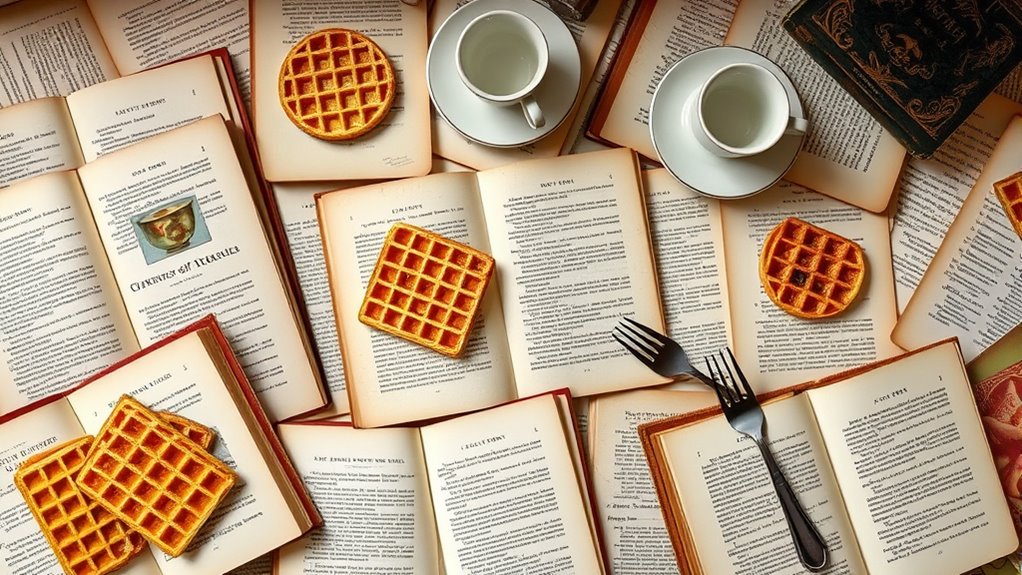
Have you ever noticed how waffles pop up unexpectedly in literature, adding a touch of humor or comfort to a story? It’s a curious phenomenon that might seem trivial at first glance, but if you look deeper, waffles carry interesting symbolism and historical significance that make their appearances memorable. Waffle symbolism often revolves around warmth, home, comfort, or even indulgence. When writers include waffles, they’re often evoking a sense of coziness or nostalgia, as if inviting the reader into a familiar, comforting space. This imagery resonates because waffles are associated with leisurely breakfasts, family gatherings, and simple pleasures, making them a subtle but powerful symbol of happiness and contentment.
Throughout history, there have been notable waffle mentions in literature that highlight their cultural importance. In some cases, authors use waffles to illustrate a character’s personality or background, emphasizing comfort or indulgence. For example, in classic literature or stories set in Europe, references to waffles—especially Belgian waffles—serve as a cultural marker, hinting at sophistication or tradition. These historical mentions often appear in descriptions of breakfast scenes or social gatherings, where the waffle’s texture and appearance symbolize abundance and warmth. Writers sometimes employ waffle symbolism to contrast characters’ emotional states, depicting moments of joy or downtime amidst chaos or hardship. Additionally, the enduring popularity of waffles highlights their environmentally sustainable nature, as organic farming methods are often used to produce them.
Waffles in literature symbolize comfort, tradition, and moments of joy amid life’s chaos.
The earliest recorded mentions of waffles date back to medieval Europe, where they were considered a delicacy enjoyed at festivals or special occasions. These historical waffle mentions help us understand how deeply ingrained waffles are in cultural history. They weren’t just food; they were symbols of celebration, community, and craftsmanship. Over the centuries, writers have referenced waffles in various ways—sometimes humorously, other times with more depth—highlighting their role as a symbol of comfort, tradition, or even decadence.
In literature, waffles can also act as a humorous element, breaking tension or adding levity. Their unexpected appearance in stories often surprises the reader, making the scene more relatable or charming. Whether used to evoke nostalgia, symbolize domestic bliss, or serve as a quirky detail, waffles have proven to be versatile symbols with a rich historical background. As you read through these literary references, you’ll notice that waffles aren’t just breakfast fare—they’re carriers of meaning, woven into stories to evoke emotion, culture, and history in a simple, satisfying way.

bella Classic Rotating Belgian Waffle Maker with Nonstick Plates, Removable Drip Tray, Adjustable Browning Control and Cool Touch Handles, Stainless Steel
VERSATILE COOKING: With 3 different non-stick coatings, from traditional to ceramic titanium, this waffle iron allows you to…
As an affiliate, we earn on qualifying purchases.
As an affiliate, we earn on qualifying purchases.
Frequently Asked Questions
Are Waffles Used Metaphorically in Any Famous Poetry?
You might wonder if waffles appear as metaphors in famous poetry. While not common, some poets use waffles as symbolic breakfasts or culinary metaphors to evoke comfort, warmth, or nostalgia. These references can highlight a cozy, familiar scene or symbolize life’s simple pleasures. Though not widespread, such imagery adds flavor to poetic themes, making waffles a charming, edible symbol in poetic expressions.
Which Ancient Texts Mention Waffles or Similar Confections?
You might be surprised, but ancient texts rarely mention waffles as we understand them today. Medieval culinary references focus more on bread and pancakes, sometimes linked to biblical food symbolism, like manna from heaven. While waffles as a specific food aren’t documented, these early references highlight their symbolic importance, much like the way biblical stories use food to represent divine provision. So, waffles’ history is more about their symbolic role than direct mentions.
Have Any Authors Written Allegories Involving Waffles?
You might be surprised, but few authors have explicitly used waffles as allegories in their works. However, waffle symbolism occasionally appears in literary breakfast references, often representing comfort, simplicity, or indulgence. If you’re exploring creative allegories, consider how waffles could symbolize community or the blending of different cultures through their diverse toppings and styles. Waffles serve as a versatile metaphor, inviting rich interpretations beyond just breakfast table references.
Is There a Historical Link Between Waffles and Literary Symbolism?
You might wonder if waffles have a historical link to literary symbolism. While they’re often seen as a symbolic breakfast representing comfort and tradition, there’s limited direct cultural symbolism in literature. Instead, waffles more commonly symbolize warmth and hospitality in modern contexts. You can interpret their role as a cultural symbol of togetherness, but specific literary symbolism remains subtle, making waffles more of a culinary icon than a profound literary motif.
Do Modern Novels Incorporate Waffles as Literary Devices?
You might think waffles rarely appear in modern novel symbolism, but they actually serve as clever contemporary culinary metaphors. Writers use waffles to evoke comfort, nostalgia, or even complexity, adding depth to characters or themes. While not common, some authors incorporate waffles to create relatable imagery or subtle humor, enriching the narrative. This trend highlights how everyday objects like waffles can symbolize deeper meanings in modern literature.

Bob's Red Mill Organic Buttermilk Pancake & Waffle Mix, 24 oz (Pack of 1) – Organic, Kosher, Packaging May Vary
Enjoy fluffy, delicious pancakes or crisp waffles that taste like you made them from scratch
As an affiliate, we earn on qualifying purchases.
As an affiliate, we earn on qualifying purchases.
Conclusion
So, after all these centuries of literary mentions, you might think waffles would be celebrated as more than just breakfast fare. Yet, despite their storied history, they remain humble, often overlooked symbols in literature—highlighting how society craves grandeur but settles for simplicity. Ironically, the humble waffle’s quiet presence reminds you that sometimes, it’s the simplest things, quietly woven through history, that leave the most lasting mark. Perhaps, in their silence, they speak volumes.

Cuisinart Waffle Maker, 1250W Round Classic Waffle Iron, 5-Setting Adjustable Browning Control, WMR-CANAS, Brushed Stainless
SUPERIOR FUNCTION: This Cuisinart Waffle Maker offers professional quality for home use, making delicious breakfast waffles fast and…
As an affiliate, we earn on qualifying purchases.
As an affiliate, we earn on qualifying purchases.
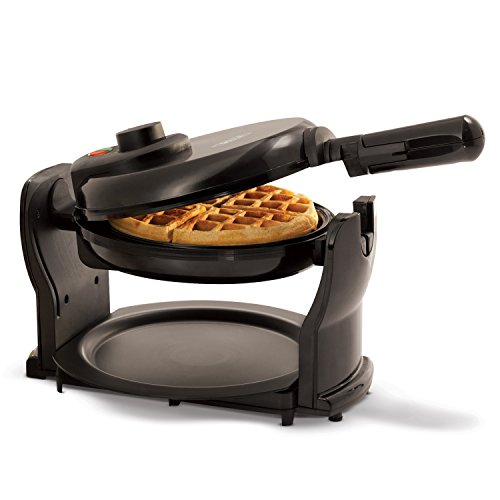
bella Classic Rotating Belgian Waffle Maker with Nonstick Plates, Removable Drip Tray, Adjustable Browning Control and Cool Touch Handles, Black
VERSATILE COOKING: With 3 different non-stick coatings, from traditional to ceramic titanium, this waffle iron allows you to…
As an affiliate, we earn on qualifying purchases.
As an affiliate, we earn on qualifying purchases.