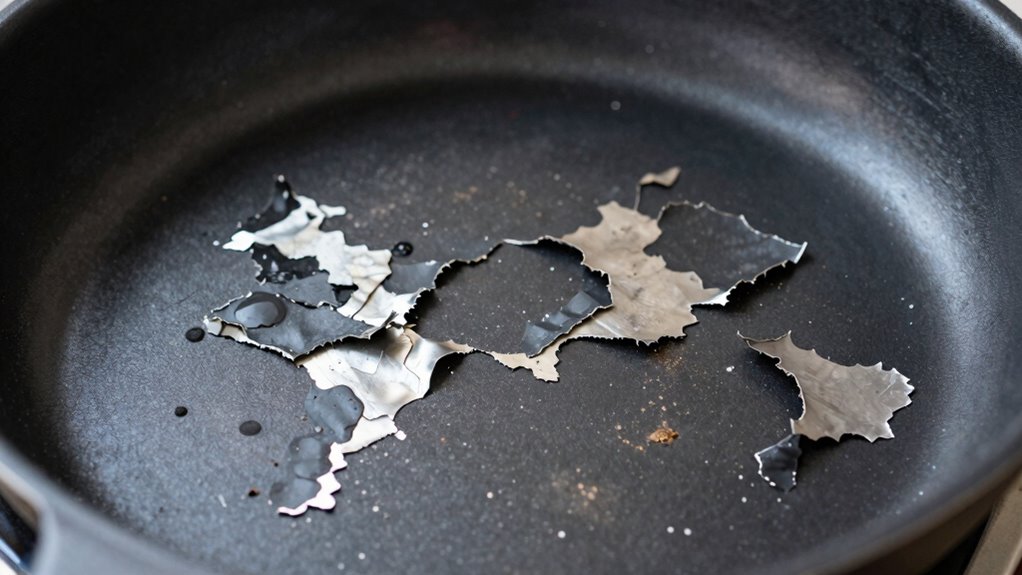

Peeling nonstick coatings typically happen because of scratches from metal utensils, using excessive heat, or harsh cleaning methods. Over time, these actions weaken the coating, leading to peeling and potential health risks from particles mixing with food. To avoid this, always use wooden or silicone tools, cook on moderate heat, and clean gently with soft sponges. Keeping these tips in mind, you’ll discover how proper care can extend the life of your cookware.
Key Takeaways
- Using metal utensils and abrasive cleaners can scratch and weaken the nonstick coating, leading to peeling.
- Cooking at very high temperatures accelerates coating degradation and increases peeling risk.
- Peeling often occurs due to poor maintenance, such as improper cleaning or stacking without protective layers.
- Eco-friendly coatings are more resistant to peeling and scratching, extending the lifespan of your nonstick plates.
- Regular inspection and gentle handling help identify early signs of peeling and prevent further damage.
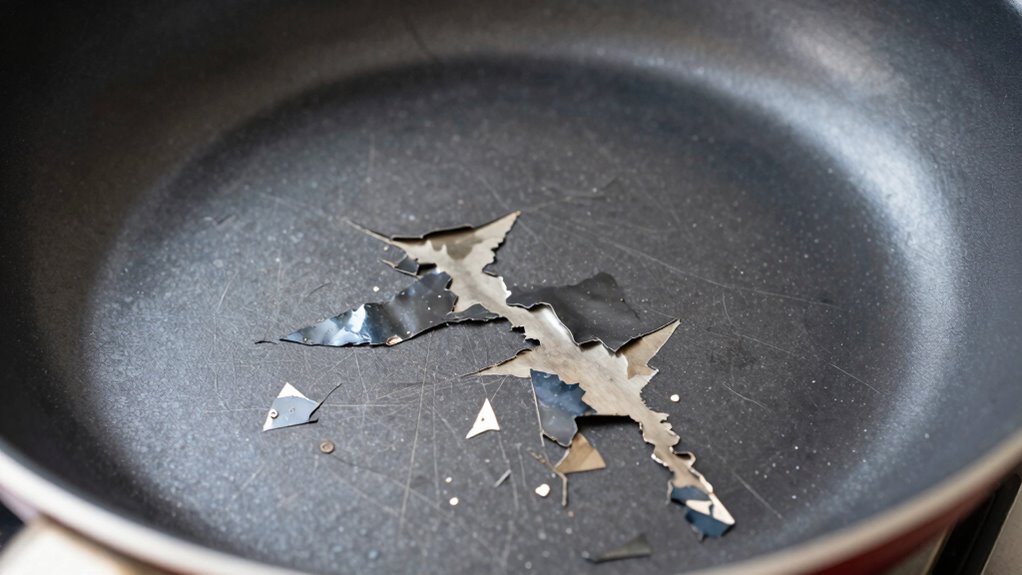
If your nonstick plates are peeling, it can be frustrating and potentially unsafe. Peeling coatings not only ruin the appearance of your cookware but can also cause small particles to mix with your food, posing health risks. To prevent this, understanding why nonstick coatings peel and how to care for your pans is vital. Many modern nonstick cookware brands now use eco friendly coatings, which are designed to be safer for both you and the environment. These eco friendly coatings often feature advanced materials that resist peeling longer and are less prone to scratching. Choosing cookware with such coatings is a smart step toward extending the lifespan of your pans and maintaining a healthier kitchen.
Peeling nonstick coatings pose health risks; choose eco-friendly cookware and follow proper care to extend their lifespan.
Proper maintenance tips play a key role in preventing peeling. Always follow the manufacturer’s instructions for cleaning and care. For example, avoid using abrasive scrubbers or harsh chemicals that can damage the coating. Instead, opt for soft sponges or cloths to clean your nonstick pans. When washing, use warm water and mild dish soap, and dry them thoroughly afterward. Using metal utensils can scratch and weaken the coating, so switch to wooden, silicone, or plastic tools to preserve the integrity of your nonstick surface. Additionally, avoid stacking pans without protective layers like paper towels or soft cloths between them, as this can lead to scratches and eventual peeling. Incorporating the right cleaning techniques can further extend the life of your cookware.
Temperature management also matters. Cooking on very high heat can degrade nonstick coatings over time, especially if the pan isn’t preheated properly. Keep your heat at medium or low to prolong the life of your cookware. If you notice areas where the coating begins to peel or chip, it’s best to replace the pan rather than try to repair it, as peeling can worsen and compromise your food safety.
Investing in high-quality cookware with durable, eco friendly coatings can save you money and headaches in the long run. Regularly inspecting your pans and practicing good maintenance tips will help you avoid peeling and keep your nonstick cookware performing at its best. Remember, gentle handling, appropriate cleaning methods, and mindful cooking temperatures all contribute to maintaining a healthy, non-peeling surface. By taking these steps, you guarantee your cookware remains safe, effective, and environmentally conscious, allowing you to enjoy hassle-free cooking for years to come.

CAROTE 26PCS Pots and Pans Set Non Stick, Cookware Set Pots and Pans Induction Cook Ware, Nonstick Kitchen Cooking, PFOA Free
Set Includes: 8'' fry pan, 9.5'' fry pan, 11'' fry pan, 2-qt saucepan with lid, 2.5-qt stockpot with…
As an affiliate, we earn on qualifying purchases.
As an affiliate, we earn on qualifying purchases.
Frequently Asked Questions
Can Nonstick Plates Be Safely Repaired After Peeling?
You shouldn’t attempt to repair nonstick plates after peeling, as repair options are limited and safety considerations are essential. Peeling indicates damage that can release harmful chemicals or flake into your food, making repairs unsafe. Instead, consider replacing the plate or cookware for health and safety reasons. Trying to fix it yourself might cause more harm, and professionally repairing nonstick surfaces isn’t typically feasible or recommended.
Do All Nonstick Coatings Peel Equally Quickly?
Like a fragile glass, some nonstick coatings peel faster than others. The durability of the coating depends on the manufacturer’s quality and the materials used. Cheaper options often wear out quickly, while high-quality coatings tend to last longer. So, not all nonstick coatings peel equally fast; your choice of brand and how you treat the pan profoundly influence its lifespan. Always opt for reputable brands for better durability.
How Long Do Nonstick Plates Typically Last Before Peeling?
Nonstick plates usually last around 3 to 5 years before peeling, depending on your maintenance. To extend their lifespan, follow proper care tips like avoiding metal utensils, using gentle cleaning methods, and cooking at medium heat. Regularly inspecting your cookware helps catch early signs of wear. Proper maintenance not only prevents peeling but also maximizes your cookware’s lifespan, ensuring you get the most out of your investment.
Are There Specific Brands Less Prone to Peeling?
You might be surprised, but some brands do stand out for their coating durability and reputation for quality. Brands like T-fal, All-Clad, and Calphalon are known for producing nonstick plates less prone to peeling. Their focus on high-quality materials and rigorous testing means you get longer-lasting nonstick surfaces. Choosing a trusted brand can make all the difference, ensuring your cookware stays pristine and reliable over time.
Does Dishwasher Use Accelerate Peeling of Nonstick Plates?
Yes, dishwasher use can accelerate peeling of nonstick plates because dishwasher damage from harsh detergents and high heat weakens the coating. To protect your nonstick cookware, avoid cleaning methods that involve dishwashers. Instead, hand wash with gentle sponges and mild detergents. This careful cleaning helps preserve the integrity of the nonstick surface, preventing peeling and extending the life of your cookware.
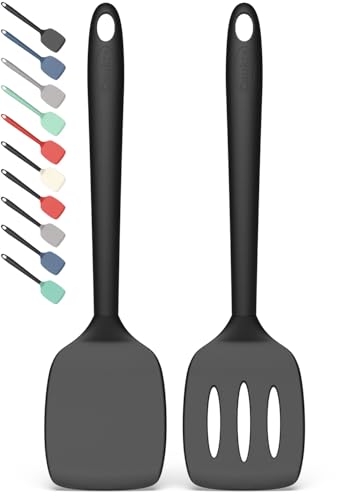
Coukre 2 Pack Silicone Spatula Set, High Heat Resistant, BPA Free Kitchen Spatula, Solid & Slotted Turner for Non-Stick Pans, Sautéing, and Flipping (2, PureBlack)
[Coukre 2-piece Spatula Set]: This set includes one slotted and one solid spatula for versatile cooking—ideal for stir-frying,…
As an affiliate, we earn on qualifying purchases.
As an affiliate, we earn on qualifying purchases.
Conclusion
To keep your nonstick plates in top shape, always follow the manufacturer’s care instructions and avoid using metal utensils. Proper cleaning and gentle handling can markedly extend their lifespan. Have you ever wondered if your daily habits are silently damaging your cookware? By being mindful and proactive, you can prevent peeling and enjoy your nonstick cookware for years to come. Isn’t investing a little extra care worth the delicious, hassle-free meals?
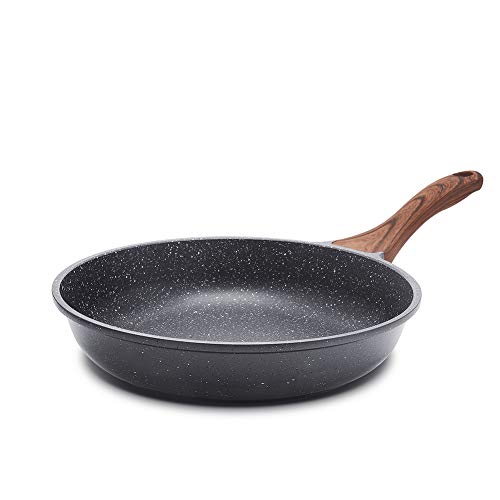
SENSARTE Nonstick Frying Pan Skillet, Swiss Granite Coating Omelette Pan, Healthy Stone Cookware Chef's Pan, PFOA Free (9.5 Inch)
SWISS NON-STICK COATING – Switzerland ILAG nonstick coating, PFOA free, safe and healthy.
As an affiliate, we earn on qualifying purchases.
As an affiliate, we earn on qualifying purchases.

Scotch-Brite Gentle Clean Delicate Scrub Sponges, For Washing Dishes and Cleaning Kitchen, 3 Scrub Sponges
THREE SCRUBBING SPONGES: This pack of Scotch-Brite Delicate Clean Scrub Sponges includes three dish sponges
As an affiliate, we earn on qualifying purchases.
As an affiliate, we earn on qualifying purchases.