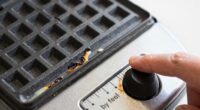
When comparing thermostats and thermistors in waffle makers, overshooting heat often occurs if calibration isn’t maintained. Thermostats use mechanical switches that may drift over time, causing the device to stay “on” too long. Thermistors, as temperature-sensitive resistors, respond more quickly and accurately, but they also need proper calibration. If these sensors aren’t tuned correctly, temperature overshoot can happen, leading to uneven cooking. Keep exploring to learn how proper adjustments make a difference.

Get baking supplies delivered free with Prime
- Fast, free delivery on millions of items
- Prime Video, Amazon Music and more included
- Member-only deals all year
Key Takeaways
- Thermostats use mechanical or simple electronic switches, which can cause overshoot if not properly calibrated.
- Thermistors provide more precise temperature readings, reducing overshoot by enabling nuanced control.
- Improper calibration of either sensor type leads to inaccurate temperature detection, causing heat overshoot.
- Waffle makers with poorly calibrated thermostats or thermistors tend to stay “on” too long, burning waffles.
- Regular maintenance and calibration ensure sensors accurately reflect actual temperature, preventing overshoot.
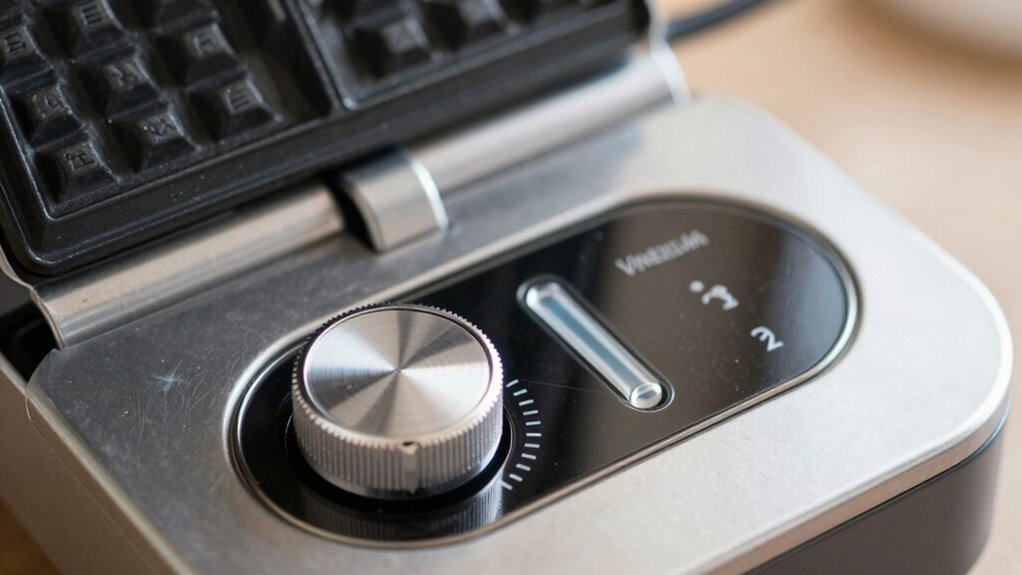
Have you ever wondered how your heating or cooling system keeps the right temperature? It’s a fascinating process that involves precise measurements and intelligent controls. When it comes to kitchen appliances like waffle makers, understanding how they regulate heat can help you avoid common issues like overshooting the baking temperature. At the core of this process are components like thermostats and thermistors, each playing a vital role in maintaining consistent heat levels. But sometimes, waffle makers heat beyond the desired temperature, leading to burnt batter or uneven cooking. This overshoot often boils down to how well the device is calibrated and which temperature-sensing method it uses.
Understanding thermostat and thermistor calibration helps prevent waffle maker overshoot and ensures perfectly cooked results.
A thermostat works by using a mechanical or electronic switch that turns the heating element on or off based on a set temperature. If it’s not calibrated properly, the device might linger too long in the “on” position, causing the waffle maker to overshoot the ideal baking temperature. Proper device calibration ensures that the thermostat’s set point matches the actual temperature inside the appliance. When calibration is off, the sensor might think it’s at the right temperature when it’s actually hotter, leading to that unwanted overshoot. Regularly checking and adjusting the calibration helps keep your waffle maker’s temperature consistent, making sure perfectly cooked waffles every time.
On the other hand, thermistors are temperature-sensitive resistors that change resistance as the temperature varies. They are more precise than traditional thermostats and respond quickly to temperature shifts. Because thermistors provide continuous feedback, they allow the control system to make more nuanced adjustments, avoiding sudden on/off cycles that can cause overshoot. However, thermistors also need proper device calibration. If they’re not calibrated correctly, their readings can be inaccurate, leading to the same problem—excess heat and uneven cooking. Ensuring the thermistor is calibrated correctly means it can accurately reflect the true temperature inside the waffle maker, helping you avoid burnt edges or undercooked centers.
Whether your appliance uses a thermostat or thermistor, regular calibration is key. It’s a simple step that can save you from frustration and food waste. If you notice your waffles are consistently too dark or too light, it might be time to check the device’s calibration. Many manufacturers provide guidelines on how to calibrate or adjust the sensor, so you can fine-tune your appliance for maximum performance. By understanding the differences between these temperature sensors and maintaining proper calibration, you gain better control over your cooking process. This way, your waffle maker will heat accurately, preventing overshoot and ensuring your breakfast comes out just right every time.
waffle maker thermostat replacement
As an affiliate, we earn on qualifying purchases.
As an affiliate, we earn on qualifying purchases.
Frequently Asked Questions
How Do Thermostats and Thermistors Differ in Response Time?
You’ll notice thermostats typically have a slower response time because sensor calibration and response latency cause delays in detecting temperature changes. Thermistors respond more quickly due to their direct contact with heat and simpler design. This faster response helps thermistors adjust heating elements promptly, preventing overshoot. So, if you want precise control, thermistors offer a quicker, more accurate reaction, while thermostats might lag slightly because of their inherent response latency.
Can I Upgrade My Waffle Maker’s Temperature Control?
Yes, you can upgrade your waffle maker’s temperature control by installing better temperature sensors or control upgrades. Consider replacing the existing thermostat or thermistor with a more precise component to prevent heat overshoot. Guarantee compatibility with your appliance’s wiring and controls. Upgrading these parts improves temperature regulation, leading to more consistent waffles. If you’re unsure, consult a professional to avoid damaging your waffle maker or voiding its warranty.
Are Thermistors More Reliable Than Thermostats?
Thermistors tend to be more reliable than thermostats because they offer better sensor calibration and respond more precisely to temperature changes. Their material durability ensures consistent performance over time, reducing the risk of overshoot or undershoot. You’ll find thermistors provide stable, accurate readings, making them a better choice for maintaining consistent heat. So, if reliability matters, opt for a waffle maker with a thermistor for improved temperature control.
What Maintenance Do Thermostats and Thermistors Require?
Ironically, maintenance is rarely needed until your waffle maker stops cooperating. For thermostats and thermistors, you should regularly check calibration procedures to guarantee accurate readings. If they drift or malfunction, replacement costs can add up quickly. Keep these components clean and free of debris, and replace them when calibration becomes inconsistent. Proper maintenance prevents surprise overshoots and saves you money in the long run.
Do Temperature Overshoot Issues Affect All Waffle Makers?
Not all waffle makers experience temperature overshoot issues, but many do, especially if their temperature calibration is off or the components, like thermostats or thermistors, wear out over time. These problems can cause inconsistent heat and affect the appliance’s lifespan. Regular maintenance, such as checking calibration and replacing worn parts, helps prevent overshoot and keeps your waffle maker functioning efficiently longer.
Conclusion
Ultimately, understanding whether your waffle maker uses a thermostat or thermistor helps you troubleshoot overheating issues. If it overshoots heat, it’s like expecting a Shakespearean sonnet but getting a haiku—disappointing yet fixable. Recognize the nuances between these components, and you’ll master your device’s temper. Remember, even in this modern age of tech, a good old-fashioned manual can still save the day. So, treat your waffle maker like a trusted squire, and it’ll serve you well.
Fall Picks
fall essentials
As an affiliate, we earn on qualifying purchases.