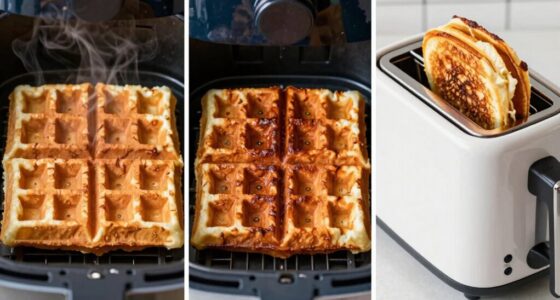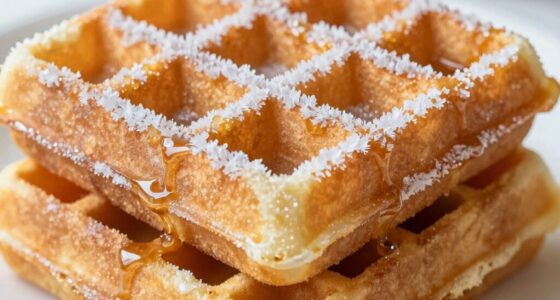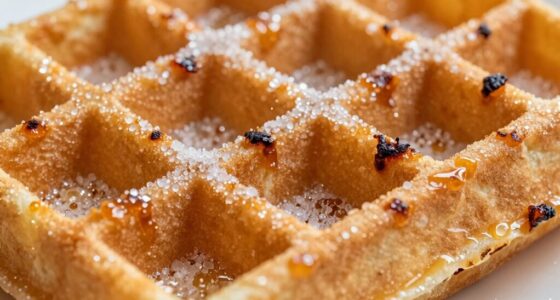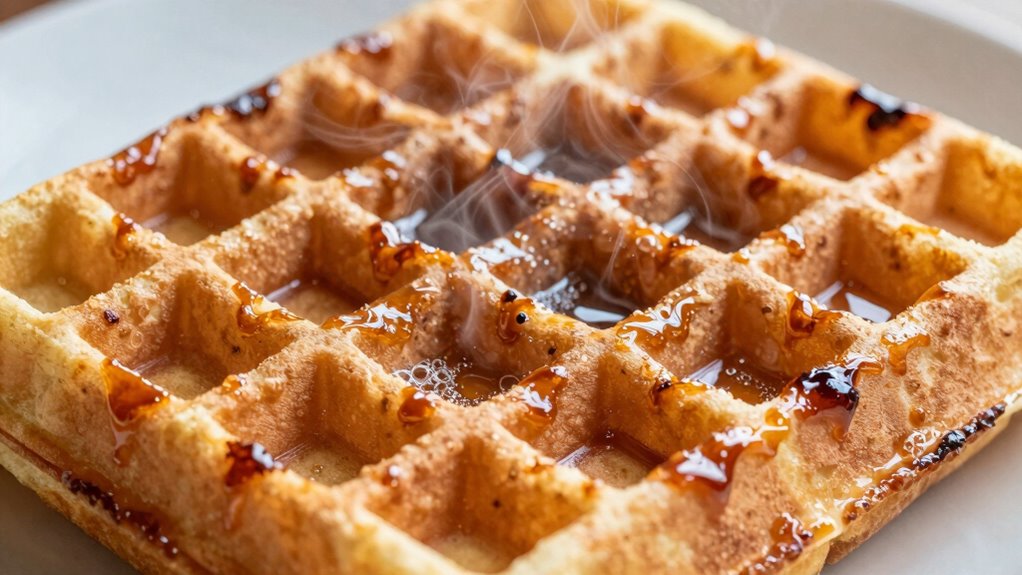

When making waffles, uneven or excessively high heat causes the sugar in your batter to caramelize too quickly, burning the surface before they get crisp. This quick burning leads to a bitter flavor and uneven texture because the sugar breaks down into undesirable compounds. To prevent this, you need to control the temperature carefully and guarantee even heat distribution. If you keep going, you’ll discover more tips to perfect your waffle technique and avoid burning.
Key Takeaways
- Excessively high or uneven heat causes rapid caramelization, leading to burnt waffle surfaces before they crisp properly.
- Poor temperature control or uncalibrated waffle irons can create hot spots that burn batter early.
- Overly thin or uneven batter distribution can lead to hotspots and uneven caramelization.
- Quick caramelization at high temperatures prevents sufficient cooking time for the waffle to become crisp.
- Insufficient heat or improper heat regulation may hinder proper caramel development and crispness, causing burning before optimal texture.
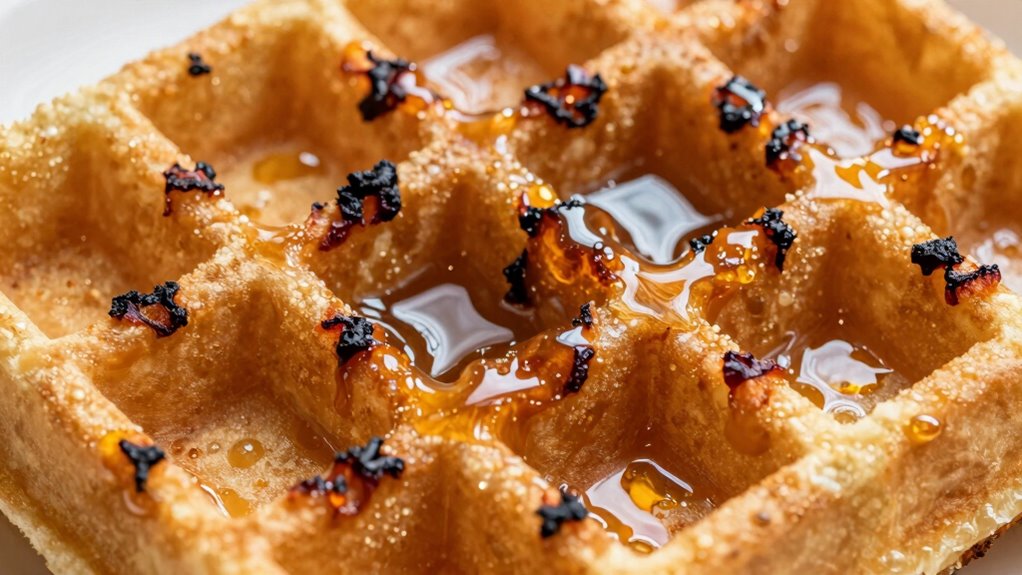
Sugar caramelization is a fascinating chemical process that transforms simple sugar into rich, complex flavors and a golden-brown color. When you heat sugar, it begins to melt, turning from a granular solid into a sticky, syrupy liquid. This melting point is essential because it marks the beginning of caramel flavor development. As the sugar heats, molecules break down and reassemble, creating new compounds that give caramel its distinctive aroma and taste. This process is delicate: if you don’t monitor the temperature carefully, the sugar can quickly go from perfectly caramelized to burnt.
Understanding sugar melting is key to preventing your waffles from burning before they crisp. When you pour batter onto a hot waffle iron, the heat causes the sugar in your mixture to melt and start caramelizing. If the heat is too high or applied unevenly, the sugar will rapidly reach its caramelization point, which can result in a burnt exterior before the waffle has enough time to develop a crisp texture. This is why controlling the temperature is essential—low and steady heat allows the sugar to melt gradually, ensuring caramel flavor develops evenly. The caramelization process doesn’t just add color; it also enhances the flavor profile of your waffles, giving them that rich, toasted sweetness.
Additionally, using a properly calibrated waffle iron and ensuring even batter distribution can help maintain consistent heat, preventing hotspots that may cause uneven caramelization or burning. The challenge lies in balancing the heat so the sugar melts and caramelizes without burning. When sugar burns, the molecules break down into bitter compounds, giving off a burnt smell and taste that ruins the overall flavor. If you notice the waffle’s surface turning dark too quickly, it’s a sign that the heat is too intense or that the sugar is caramelizing too fast. To prevent this, you might need to adjust the temperature or reduce the cooking time. Using a well-calibrated waffle iron and spreading the batter evenly can also help ensure consistent heat distribution, promoting uniform caramelization.

Cuisinart Waffle Maker, 1250W Round Classic Waffle Iron, 5-Setting Adjustable Browning Control, WMR-CANAS, Brushed Stainless
SUPERIOR FUNCTION: This Cuisinart Waffle Maker offers professional quality for home use, making delicious breakfast waffles fast and…
As an affiliate, we earn on qualifying purchases.
As an affiliate, we earn on qualifying purchases.
Frequently Asked Questions
How Can I Prevent Waffles From Burning While Caramelizing Sugar?
To prevent your waffles from burning while caramelizing sugar, start by controlling the heat—keep it medium or lower. Make sure your sugar is evenly mixed into the batter, especially if you’re adding caramelized sugar. Also, consider waffle thickness; thicker waffles take longer to cook, reducing the risk of burning. Keep a close eye and adjust the heat as needed, ensuring the sugar caramelizes perfectly without burning before the waffle crisps.
What Temperature Is Ideal for Caramelizing Sugar for Waffles?
Think of perfect caramelization like walking a tightrope—you need balance. Keep your waffle batter at a steady 320°F to 350°F during the caramelization process. This temperature control guarantees the sugar melts evenly without burning, giving you a crisp exterior and a rich, golden flavor. Too hot, and you’ll scorch; too cool, and the sugar won’t caramelize properly. Stay attentive, and your waffles will turn out beautifully caramelized every time.
Do Different Sugar Types Affect Caramelization and Burning?
Different sugar types definitely affect caramelization effects and burning. For example, white granulated sugar caramelizes at a higher temperature and produces a cleaner flavor, while brown sugar contains molasses, which caramelizes more quickly and adds a richer, darker color. Using sugars with different moisture levels or impurities can cause uneven caramelization, increasing the risk of burning before achieving the desired crispness. Always choose your sugar wisely for perfect waffles.
Can Adding Other Ingredients Delay or Prevent Burning?
Adding ingredients like milk, oil, or applesauce can truly save your waffles from burning! These ingredient modifications act like a shield, slowing down caramelization and evenly distributing heat. Using better cooking techniques, like lowering the heat or spraying the waffle iron, also helps prevent burning. You’ll see, with the right tweaks, your waffles will turn out perfectly crispy without that terrifying charred layer, every single time!
How Does Humidity Impact Sugar Caramelization in Waffle Batter?
Humidity effects can substantially influence sugar caramelization in your waffle batter. Higher moisture impact from humidity slows down caramelization because excess water evaporates more slowly, preventing the sugar from reaching the necessary temperature to caramelize. Conversely, low humidity allows moisture to escape quickly, speeding up caramelization and risking burning before the waffles crisp. To manage this, you might adjust baking time or ingredients to counteract humidity’s influence on sugar behavior.
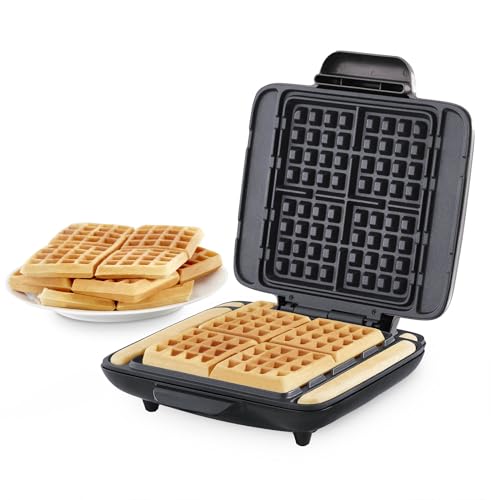
Dash No-Drip Waffle Maker – Makes Four Waffles at Once for Hassle-Free Breakfasts – Dual Nonstick Heating Plates & Quick Heat-Up System – Easy-Release Surface – Silver
Consistently Perfect Waffles: The Dash No-Drip Waffle Maker is a family breakfast maker with dual nonstick heating plates…
As an affiliate, we earn on qualifying purchases.
As an affiliate, we earn on qualifying purchases.
Conclusion
Think of caramelization like a delicate dance, where timing is everything. If you step too close to the heat, the sugar burns and ruins the performance—just like your waffles burning before crisping. By understanding the rhythm of heat and sugar, you can master this dance. So, keep an eye on your waffle’s journey, and with patience, you’ll enjoy that perfect golden-brown finish—sweet, crisp, and just right, like a beautifully choreographed routine.
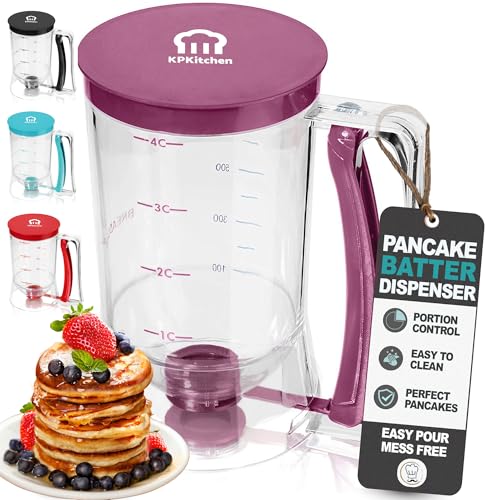
KPKitchen Pancake Batter Dispenser – Kitchen Must Have Tool for Perfect Pancakes, Cupcake, Waffle, Muffin Mix, Cake & Crepe – Baking Supplies for Griddle – Pancake Maker with Measuring Label (Purple)
MESS-FREE PANCAKES! KPKitchen proudly presents our durable and reliable Pancake Dispenser & Cupcake Batter Dispenser! Made from high-quality,…
As an affiliate, we earn on qualifying purchases.
As an affiliate, we earn on qualifying purchases.

Cuisinart Round Flip Belgian Waffle Maker, 1" thick Belgian-style Waffle, WAF-F30NAS
THICK WAFFLES: Bakes thick, fluffy, restaurant-quality Belgian waffles with deep pockets, ideal for various toppings.
As an affiliate, we earn on qualifying purchases.
As an affiliate, we earn on qualifying purchases.