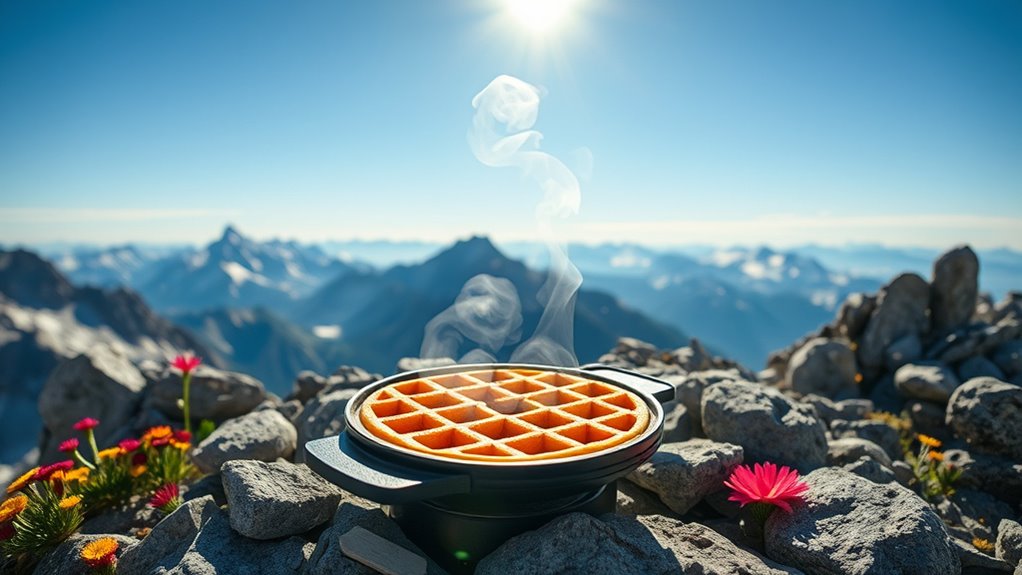
At high altitude, you need to adjust your waffle recipe to counteract thinner air and faster gas expansion. Use less yeast or shorten fermentation, and increase liquids slightly to prevent over-expansion or collapse. You might also reduce sugar and lower baking temperature for even cooking. These tweaks help keep your waffles light and fluffy. If you want to master these modifications, you’ll find more tips below to perfect your high-altitude waffles.
Key Takeaways
- Reduce leavening agents like baking powder and yeast to prevent over-expansion and collapse.
- Increase liquid ingredients to maintain batter moisture and counteract faster fermentation.
- Lower baking temperature to ensure even cooking and prevent batter from burning.
- Use bread flour for better gluten development and improved batter stability at high altitude.
- Conduct small recipe tests, adjusting ingredient amounts and process based on altitude-specific results.
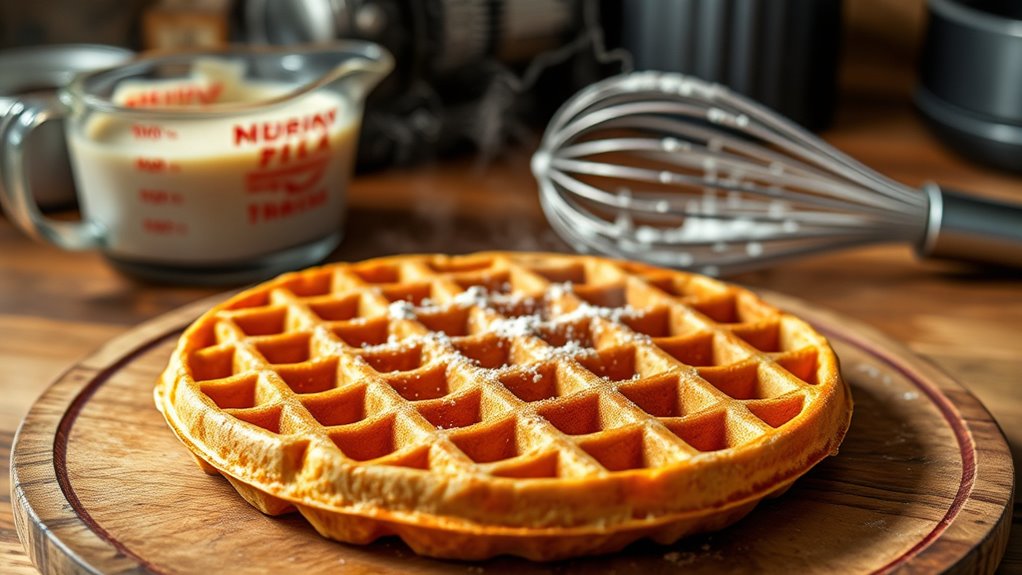
Have you ever noticed that waffles turn out differently when you bake them at high altitudes? It’s a common experience, and the main reason behind it is the way the atmosphere affects your baking process. At higher elevations, the air is thinner, which means less atmospheric pressure. This change impacts how ingredients interact, especially when it comes to leavening agents like yeast and baking powder. Yeast fermentation, in particular, tends to speed up because the reduced pressure allows gases to expand more quickly. As a result, your waffle batter might rise too fast, causing over-expansion and collapse before it sets properly. To counteract this, you’ll want to modify your yeast content or fermentation time. Using slightly less yeast or shortening the fermentation period can help keep the batter more stable. If your recipe calls for yeast, be mindful that the fermentation might need to be slowed down to prevent overproofing, which leads to flat or gummy waffles. You can also experiment with ingredient substitutions—such as replacing some of the yeast with baking soda or baking powder—to create a more controlled rise. These chemical leaveners respond differently at high altitudes, often requiring increased amounts for proper leavening, but you should add them carefully to avoid a bitter taste or an overly airy texture.
Additionally, understanding the effects of altitude on baking can help you better tailor your recipes to achieve optimal results. When adjusting recipes for high-altitude baking, remember that ingredient substitutions aren’t just about leavening agents. The flour, liquids, and fats may also need tweaking. For example, increasing the amount of liquid can help balance the faster fermentation and prevent the batter from becoming too dense. You might also consider reducing the amount of sugar slightly, as sugar accelerates yeast activity and can cause over-expansion. Using bread flour instead of all-purpose flour can improve gluten development and give your waffles better structure. Additionally, you may want to experiment with reducing the baking temperature slightly, since higher altitude baking often requires a lower heat to prevent the exterior from burning before the interior is fully cooked. All these adjustments work together to ensure your waffles turn out light, fluffy, and evenly cooked, despite the challenging conditions. Remember, high-altitude baking is often about trial and error, so take notes on what works best for your specific altitude and ingredients. With patience and some careful modifications, you’ll be able to enjoy perfect waffles no matter how high you are.
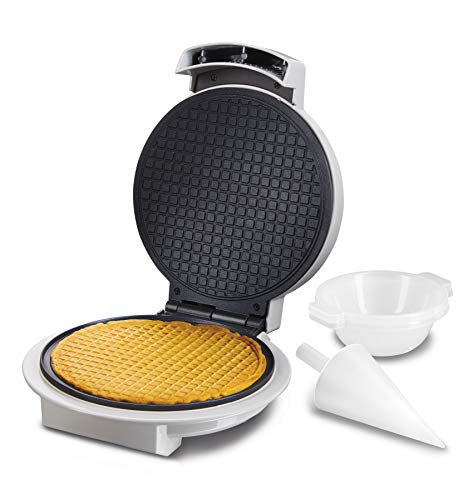
Proctor Silex Waffle Cone and Ice Cream Bowl Maker with Browning Control, Shaper Roller and Cup Press, 7.5” PFAS-Free Nonstick Plates, White (26410MN)
COOKS CRISP BUTTERY SUGAR CONES AND BOWLS QUICKLY IN 2-3 MINUTES 800 watts of power cooks batter fast…
As an affiliate, we earn on qualifying purchases.
As an affiliate, we earn on qualifying purchases.
Frequently Asked Questions
How Does Altitude Affect Waffle Batter Consistency?
Altitude impacts your waffle batter by reducing air pressure effects, which causes the batter viscosity to decrease. As you go higher, the thinner batter may spread too quickly or not hold enough structure, leading to less fluffy waffles. To counter this, you might need to add a bit more flour or reduce liquids. You’ll notice these changes helping you achieve the perfect consistency despite the lower air pressure effects.
Can I Use My Regular Waffle Recipe at High Altitude?
You can use your regular waffle recipe at high altitude, but expect some altitude flavor adjustments and waffle texture variations. To improve results, try reducing baking powder slightly, increasing liquid, or adding a bit more flour. These tweaks help counteract the thinner batter and quicker rising. Keep experimenting until you find the perfect balance for that crisp exterior and fluffy interior, even at higher elevations.
What Equipment Adjustments Are Needed for High-Altitude Waffle Baking?
You should consider using altitude-specific cookware and calibrate your waffle iron to handle the lower air pressure. Opt for a waffle iron designed for high-altitude baking or adjust the temperature and cooking time to guarantee proper crispness. Regular cookware might not distribute heat evenly, so calibration helps prevent undercooked or overcooked waffles. These adjustments ensure your waffles turn out perfect despite the altitude challenges.
Are There Specific Ingredients to Modify for Better Results?
Think of your ingredients as the harmony in a symphony. To improve your waffles at high altitude, you might substitute baking powder with baking soda, which reacts better with acidity, and add a splash of vanilla or cinnamon for flavor enhancements. These adjustments help your batter rise perfectly and boost flavor, ensuring your waffles remain light and delicious despite the altitude’s challenges.
How Long Should I Adjust Cooking Times at High Altitude?
In altitude baking, you should start by increasing your waffle cooking time by about 1-2 minutes and then monitor closely. You may need to experiment with the timing, as higher altitudes often require slightly longer cooking to guarantee thorough doneness. Keep in mind that recipe modifications, like adjusting ingredient ratios, can also impact cooking time, so stay flexible and test until you find the perfect balance for your altitude.

Magic Baking Powder 450g/15.9oz, 2-Pack (Imported from Canada)
Over 100 years of baking excellence!
As an affiliate, we earn on qualifying purchases.
As an affiliate, we earn on qualifying purchases.
Conclusion
Baking waffles at high altitude is like charting a new landscape—you need to adjust your map to reach perfection. By tweaking your ingredients and techniques, you can transform your batter into fluffy peaks of delight. Remember, each recipe is a journey, and with a little experimentation, you’ll master the art of high-altitude waffle baking. Keep your spirit adventurous, and soon, every bite will be a victorious summit of flavor.

King Arthur 100% Organic Bread Flour, Unbleached, 5 lb (Pack of 1) – Non-GMO Project Verified, No Preservatives
High Protein Flour: 12.7% protein – a full point more than other national brands, King Arthur flour ensures…
As an affiliate, we earn on qualifying purchases.
As an affiliate, we earn on qualifying purchases.
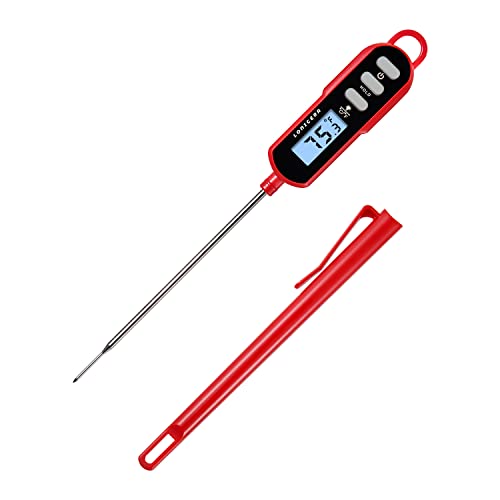
Lonicera Digital Cooking Thermometer for Bread Baking, Food and Water Temperature Measurement. Waterproof and Long Stem with Meat Temp Guide, Display with Backlit (Red)
WATERPROOF & LONG PROBE – Cooking thermometer with IPX6 rated waterproof, clean it freely under running water. Keep…
As an affiliate, we earn on qualifying purchases.
As an affiliate, we earn on qualifying purchases.