Using chickpea, lentil, and pea flours boosts your baked goods’ nutrition with extra plant-based protein. They help create gluten-free options that are hearty and satisfying, perfect for those with sensitivities or seeking healthier choices. These flours give your baked treats a denser crumb and a nutty or sweet flavor, enhancing texture and taste. Adjustments like added binders might be needed, but exploring these flours opens up many nutritious possibilities—discover how they can transform your baking skills.
Key Takeaways
- High-protein flours like chickpea, lentil, and pea boost nutritional value and plant-based protein content in baked goods.
- They are naturally gluten-free, aiding the creation of gluten-free, nutrient-rich baked products.
- These flours impart dense textures and nutty or mild flavors, enhancing baked goods’ taste and heartiness.
- Adjustments such as added binders and liquids are necessary to compensate for gluten absence and optimize texture.
- Incorporating these flours expands baking options, supporting vegan, vegetarian, and health-conscious diets.
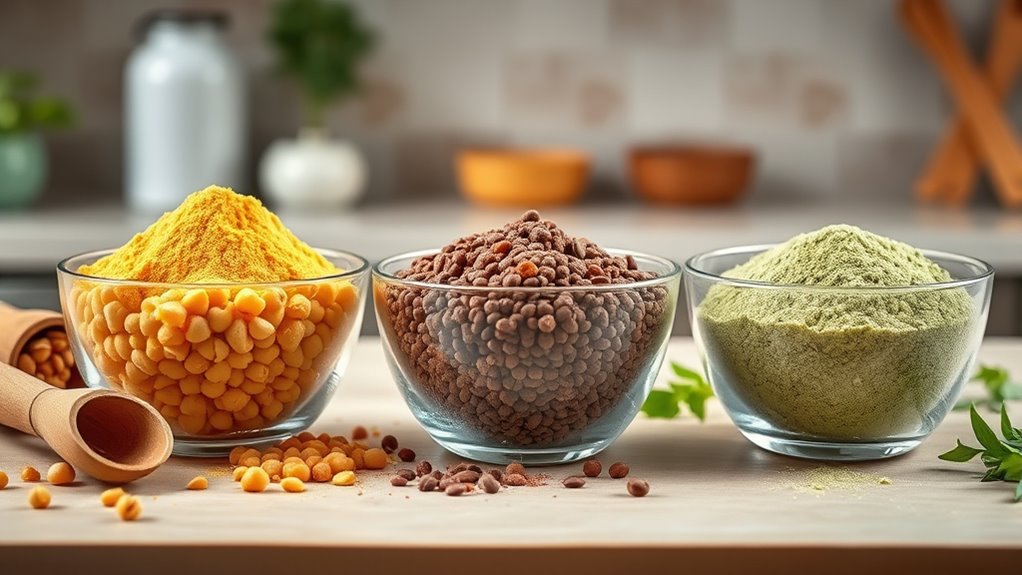
High-protein flours have gained popularity among bakers and health enthusiasts because they particularly influence the texture, structure, and nutritional value of baked goods. When you choose flours like chickpea, lentil, or pea, you’re tapping into their impressive protein content benefits, which can elevate your baking in multiple ways. These flours are naturally rich in plant-based protein, making your baked creations more nutritious without relying on animal products. This is especially valuable if you’re aiming to boost the protein profile of your diet or cater to vegan and vegetarian needs. The increased protein also helps create baked goods with a satisfying, hearty texture, often resulting in more filling and wholesome treats.
High-protein flours boost nutrition, improve texture, and support gluten-free baking.
One of the key advantages of using high-protein flours is their role in gluten-free baking. Unlike traditional wheat flour, chickpea, lentil, and pea flours are naturally gluten-free, making them excellent options for those with gluten sensitivities or celiac disease. However, because they lack gluten, these flours don’t have the same elastic properties that help dough rise and develop structure in conventional baking. To overcome this, you may need to incorporate additional binders like xanthan gum or guar gum to achieve the desired elasticity and texture. When you do this, you’ll find that your gluten-free baked goods can be just as tender and well-structured as traditional wheat-based items, with added nutritional benefits.
The protein content benefits of these flours extend beyond nutrition. They also influence the texture of your baked goods, often resulting in a denser crumb that’s perfect for hearty breads, muffins, and pancakes. You’ll notice that baked items made with chickpea or lentil flour tend to have a slightly nutty flavor, adding depth and complexity to your recipes. When baking with pea flour, you’ll find that it imparts a mild, sweet undertone, making it versatile for both sweet and savory dishes. These flours also absorb liquids differently, so you might need to adjust your recipes slightly to get the right consistency.
Ultimately, incorporating high-protein flours like chickpea, lentil, or pea flour expands your baking possibilities. They provide protein content benefits that enhance both nutritional value and texture, especially in gluten-free baking. With some experimentation and the right binders, you can craft delicious, wholesome baked goods that are satisfying, nutritious, and suitable for a variety of dietary needs. They’re a smart choice for anyone wanting to boost their intake of plant-based proteins while enjoying tasty, innovative baked treats.
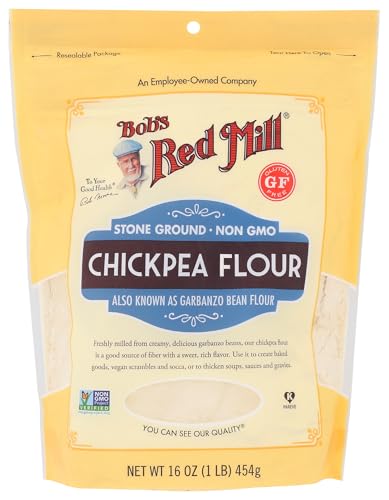
Bob's Red Mill Chickpea Flour, 16oz (Pack of 1) – Non GMO, Gluten Free, Vegan, Keto Friendly Friendly, Kosher
GOOD INGREDIENTS FOR ALL: Bob’s Red Mill Chickpea Flour is freshly milled from whole garbanzo beans, preserving the…
As an affiliate, we earn on qualifying purchases.
As an affiliate, we earn on qualifying purchases.
Frequently Asked Questions
How Do High-Protein Flours Affect Baking Times?
High-protein flours like chickpea, lentil, and pea can reduce baking times because they tend to cook faster and absorb liquids differently. You might need to make baking time adjustments, as these flours often create denser textures that require shorter or longer baking periods depending on the recipe. Expect texture modifications, with baked goods becoming more moist and hearty, so monitor closely to prevent overbaking or underbaking.
Are High-Protein Flours Suitable for Gluten-Free Diets?
Yes, high-protein flours like chickpea, lentil, and pea are suitable for gluten-free diets. With over 25% protein content, they offer impressive nutritional benefits, including fiber and essential nutrients. However, you should consider allergen considerations, as some people may have sensitivities to legumes. Incorporating these flours can boost your diet’s nutrition, but always check for potential allergies and label details to guarantee safety.
Can These Flours Replace Traditional Wheat Flour Entirely?
You can’t fully replace traditional wheat flour with chickpea, lentil, or pea flours because of differences in texture and baking properties. Nutritional comparisons show these flours provide more protein, but cultural acceptance varies—many recipes rely on wheat’s gluten structure. Using a blend can help, but for some baked goods, these high-protein flours work best as partial substitutes rather than complete replacements.
What Are the Storage Requirements for High-Protein Flours?
Imagine these flours as delicate treasures that need safe keeping. To maintain their shelf stability, store them in airtight containers away from direct sunlight, heat, and moisture. Opt for cool, dark spots like pantry shelves or cupboards. Proper storage prevents rancidity and spoilage, ensuring your high-protein flours stay fresh and ready to use, much like a well-guarded secret waiting to enhance your recipes.
How Do They Influence the Flavor Profile of Baked Goods?
High-protein flours like chickpea, lentil, and pea influence your baked goods by adding a rich, nutty flavor that enhances overall taste. They also boost aroma development during baking, creating a more inviting scent. These flours can subtly alter the flavor profile, making your treats more hearty and savory. Be mindful of their strong flavors, and consider balancing them with other ingredients to achieve the desired flavor enhancement.
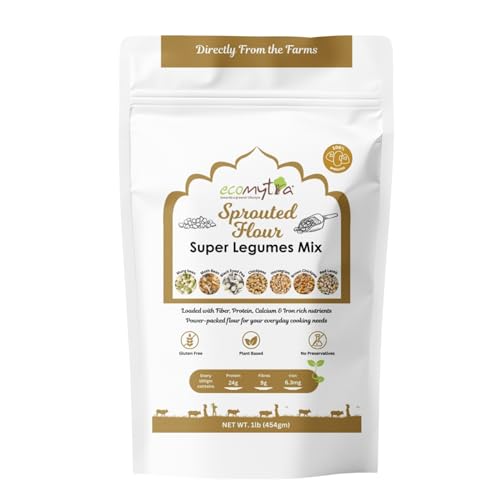
Ecomytra 100% Sprouted Super Legumes Mix Flour – Gluten Free & High Protein (24g) – Plant Based Blend of Sprouted Chickpea, Lentil & Mung Bean – Vegan, Non-GMO, High Fiber Baking Alternative – 1lb (454 gm)
HIGH PROTEIN CONTENT: Contains 24 grams of sprouted protein per serving from a nutrient-rich blend of sprouted legumes…
As an affiliate, we earn on qualifying purchases.
As an affiliate, we earn on qualifying purchases.
Conclusion
By choosing high-protein flours like chickpea, lentil, and pea, you boost your meals with plant-based power. While they add nutrition and heartiness, they can also bring unique flavors and textures that challenge your usual cooking routines. Embrace this contrast—nutrition versus familiarity—and discover how these flours transform your dishes. In the end, experimenting with high-protein flours lets you enjoy health benefits without sacrificing taste or versatility.
Bob's Red Mill Chickpea Flour, 16oz (Pack of 1) – Non GMO, Gluten Free, Vegan, Keto Friendly Friendly, Kosher
GOOD INGREDIENTS FOR ALL: Bob’s Red Mill Chickpea Flour is freshly milled from whole garbanzo beans, preserving the…
As an affiliate, we earn on qualifying purchases.
As an affiliate, we earn on qualifying purchases.

Carrington Farms Xanthan Gum – Non-GMO, Gluten-Free, Zero Calories & Vegan – 5oz – Keto-Friendly Thickener & Binder for Gluten-Free Baking, Smoothies, Sauces & Dressings
Gluten-free Binder: Carrington Farms Xanthan Gum is the perfect addition to gluten-free cooking, helping bind ingredients together and…
As an affiliate, we earn on qualifying purchases.
As an affiliate, we earn on qualifying purchases.