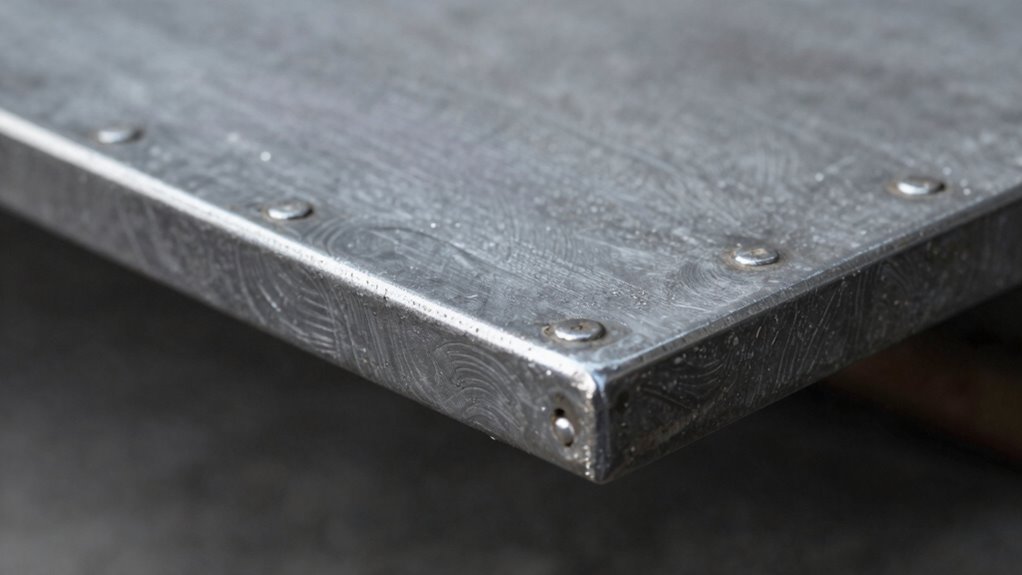
You should prioritize plate thickness over shiny exterior design because it directly affects your structure’s strength, safety, and long-term durability. Thin plates can easily deform, crack, or fail under stress, while thicker ones absorb shocks and resist bending. Focusing on proper thickness guarantees your project remains reliable and resistant to environmental and load pressures. If you want to understand why this matters most and how it impacts your designs, keep exploring the details.

Get baking supplies delivered free with Prime
- Fast, free delivery on millions of items
- Prime Video, Amazon Music and more included
- Member-only deals all year
Key Takeaways
- Adequate thickness ensures structural strength and resistance to deformation, preventing failures under load.
- Thicker plates provide durability during manufacturing and long-term use, reducing repair costs and wear.
- Proper thickness enhances safety by minimizing risks of cracks, bending, or catastrophic failure.
- Surface shine and aesthetics do not replace the need for sufficient material thickness for stability.
- Prioritizing plate thickness over superficial design guarantees longer-lasting, reliable, and safer structures.
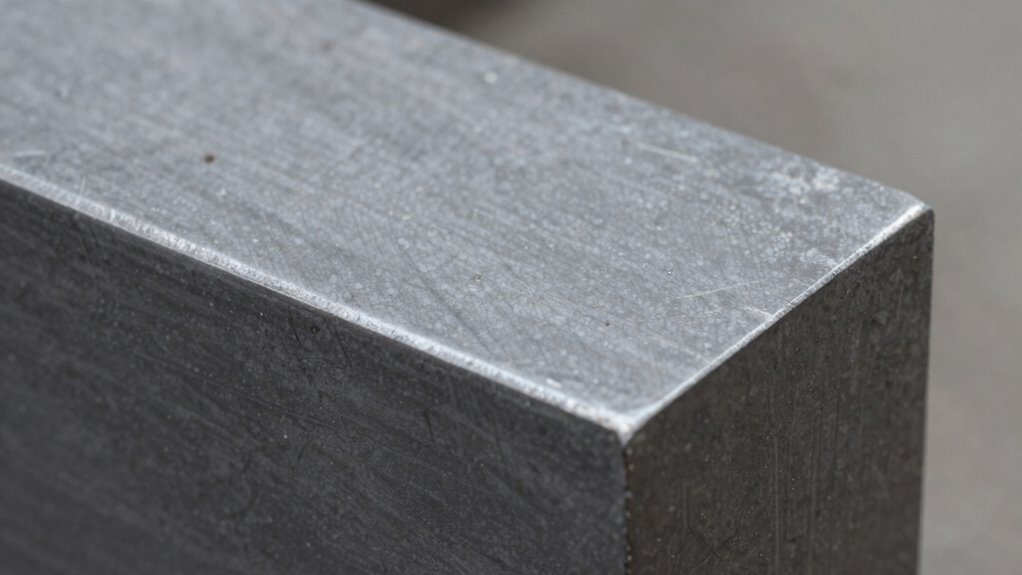
When choosing materials for a project, it’s tempting to focus on eye-catching finishes and shiny exteriors, but what truly matters is the thickness of the plates you select. Thin, glossy surfaces might catch the eye initially, but they often hide vulnerabilities that can compromise your project’s long-term success. Plate thickness directly influences structural integrity, ensuring that your construction can withstand stress, weight, and environmental factors over time. If you opt for thinner plates, you risk compromising the core strength of the structure, which can lead to deformation, cracks, or even catastrophic failure under load. Thick plates, on the other hand, provide a more reliable foundation, absorbing shocks and resisting bending or breaking, which is essential in demanding applications like bridges, heavy machinery, or load-bearing frameworks.
Choosing thicker plates ensures structural strength and long-term durability over shiny, superficial finishes.
Manufacturing durability is another critical factor tied to plate thickness. When you select thicker plates, you’re investing in a material that resists wear and tear through the manufacturing process and beyond. Thicker materials can tolerate more aggressive fabrication techniques, such as welding and machining, without losing their essential properties. This resilience means fewer defects during production, reducing costs associated with rework or repairs later on. Additionally, thicker plates tend to maintain their performance over time, resisting corrosion and fatigue better than thinner counterparts, which can develop surface cracks or weaken prematurely. This durability translates into lower maintenance costs and a longer lifespan for your final product. Moreover, choosing the right material thickness can significantly impact the overall safety and compliance of your project with industry standards. Recognizing the importance of material specifications ensures your project adheres to necessary regulations and safety protocols. Furthermore, understanding the relationship between plate thickness and material performance can guide you in making informed decisions that optimize both safety and cost-efficiency.
Beyond initial appearance, consider how plate thickness impacts safety and reliability. Thin plates may look sleek, but they often require additional reinforcements or protective coatings to compensate for their reduced strength. These extra steps add complexity and expense, and they still might not fully mitigate the inherent risks of using thinner materials. Conversely, choosing the right thickness from the outset simplifies your design, providing inherent strength and stability that reduces the need for supplementary measures. It also offers peace of mind, knowing your structure can endure harsh conditions and heavy loads without unexpected failure. The cost implications of selecting appropriate thickness further emphasize the importance of prioritizing structural requirements over superficial aesthetics. Additionally, understanding how material performance varies with thickness can help you balance safety and budget considerations effectively.
Ultimately, the decision on plate thickness shouldn’t be driven solely by aesthetics. While a shiny exterior might appeal visually, it’s the thickness beneath that guarantees your project’s safety, longevity, and performance. Prioritizing proper thickness ensures your construction maintains its integrity, withstands the test of time, and delivers true value. When you focus on these core aspects, you’re making a smarter choice that pays off in durability, safety, and overall success.
structural steel plates 1/4 inch thick
As an affiliate, we earn on qualifying purchases.
As an affiliate, we earn on qualifying purchases.
Frequently Asked Questions
How Does Plate Thickness Affect the Overall Durability of a Product?
You’ll find that thicker plates considerably boost a product’s durability because they resist dents, impacts, and wear better. This guarantees the surface finish remains intact over time, maintaining both strength and aesthetic appeal. Thicker plates also prevent bending or cracking, which can compromise the product’s integrity. So, when durability is your priority, opt for increased plate thickness to ensure long-lasting performance without sacrificing the surface finish.
Can a Thicker Plate Improve Safety in High-Stress Applications?
A thicker plate acts like a sturdy shield, bolstering safety in high-stress scenarios. It’s not just about aesthetics or surface finish; it’s about resilience and strength. With increased thickness, the material absorbs more impact, preventing failures and offering peace of mind. So, if safety’s your priority, going thicker isn’t just a choice—it’s an essential investment to guarantee your product withstands the toughest challenges.
What Materials Are Best Suited for Varying Plate Thicknesses?
You should choose materials like stainless steel or aluminum for varying plate thicknesses, as they offer excellent corrosion resistance and maintain a good surface finish. Thicker plates in these materials provide added strength and durability, especially in demanding environments. For applications requiring the best surface finish, aluminum is ideal due to its smooth finish and lightweight properties. Stainless steel, with its superior corrosion resistance, is perfect for harsh conditions.
How Does Plate Thickness Influence Manufacturing Costs?
Sure, increasing plate thickness is like inviting a cost calculation party—more material, more money, and a bigger bill. Thicker plates demand stronger equipment and longer production times, skyrocketing manufacturing costs. You’ll need to carefully consider material selection, because some materials get pricier and harder to work with as thickness grows. So, if you’re aiming for a budget-friendly project, think twice before choosing that extra thick plate—it might just double your expenses!
Are There Specific Industries That Prioritize Plate Thickness Over Design?
You’ll find industries like construction, aerospace, and heavy machinery prioritize plate thickness over aesthetic appeal. They focus on visual impact through strength and durability, so thicker plates guarantee safety and performance. In these fields, the primary concern isn’t shiny exterior design but reliable functionality. You’ll notice that even with minimal aesthetic detail, the emphasis remains on structural integrity, making plate thickness vital for meeting industry standards and safety regulations.
Conclusion
Remember, beneath that glossy coat lies the true strength—like a sturdy core hidden behind a shimmering facade. When it comes to metal, your focus should be on plate thickness, not just a shiny exterior that dazzles but might lack resilience. Think of it as building a fortress: a gleaming wall looks great, but thick, tough walls keep you safe. Prioritize substance over sparkle, and your investments will stand strong through the storms of time.
Halloween Picks
halloween
As an affiliate, we earn on qualifying purchases.