
When you make your first waffle, it often fails because it’s a chance to learn and adjust your technique, not a reflection of your skills. The initial attempt helps you figure out the right baking temperature, batter consistency, and equipment preparation. Expect sticking, uneven baking, or undercooked centers—it’s normal. As you keep trying, you’ll fine-tune your process and improve your results. Keep going, and you’ll discover what works best for perfect waffles.

Get baking supplies delivered free with Prime
- Fast, free delivery on millions of items
- Prime Video, Amazon Music and more included
- Member-only deals all year
Key Takeaways
- The first waffle is a test to gauge equipment temperature and batter consistency, which often requires adjustments.
- Initial waffles may stick or tear due to unseasoned or ungreased waffle iron surfaces.
- Inconsistent batter mixing or recipe tweaks can cause uneven cooking and texture issues.
- Proper preheating and temperature control are refined through the first attempt.
- Practice and experience help improve technique, making subsequent waffles more consistent and perfect.
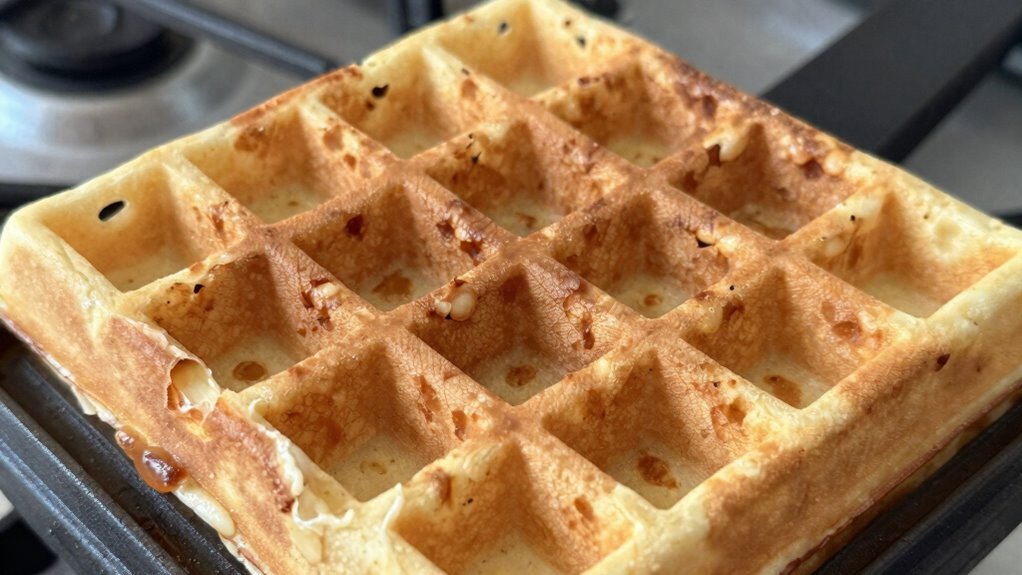
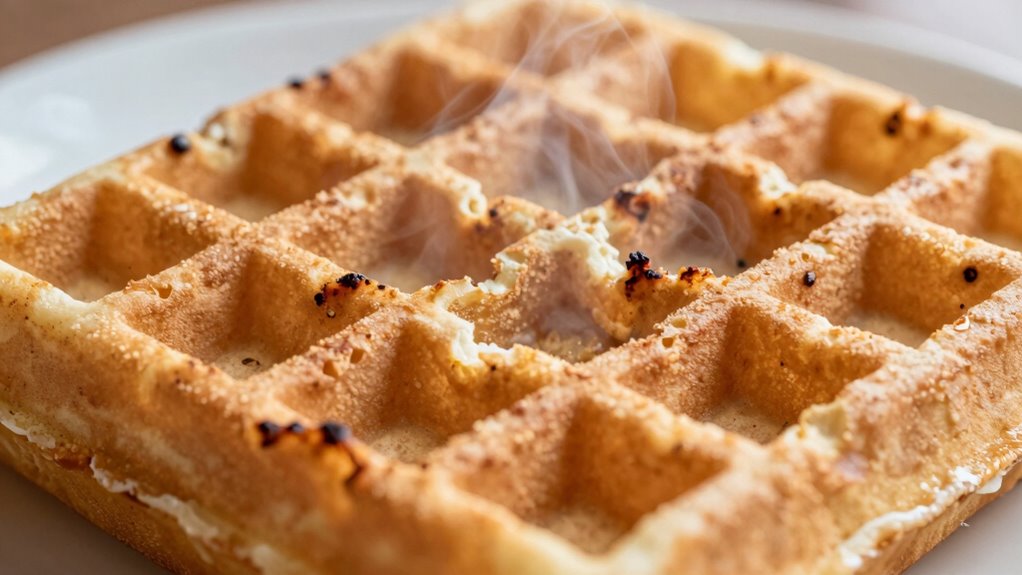
Have you ever noticed that your first waffle often turns out less than perfect? It’s a common experience, and there’s a good reason for it. When you’re starting to make waffles, your initial attempt is usually a test run — an opportunity for your equipment and ingredients to get in sync. The main culprits are baking temperature and batter consistency, two factors that significantly influence the outcome. Your waffle iron needs time to reach the right temperature, and your batter might not be perfectly adjusted yet. These early efforts are often a little off, but that’s perfectly normal.
Baking temperature plays a huge role in how your waffle turns out. If your waffle iron isn’t preheated enough, the batter won’t cook evenly, leading to a soggy center or uneven browning. Conversely, if it’s too hot, the outside might burn before the inside is cooked through. The initial waffle often reveals whether your iron is at the right temperature or if it needs a few extra minutes to warm up. It’s a learning curve — over time, you’ll get a feel for the precise temperature settings that produce golden-brown, crispy waffles. Remember, most waffle irons need about 5-10 minutes to fully heat up, so patience is key. Proper baking temperature is essential for achieving that perfect waffle texture. Additionally, understanding how your equipment heats up can help you make more consistent waffles. Paying attention to preheating your waffle iron can save you from many common issues.
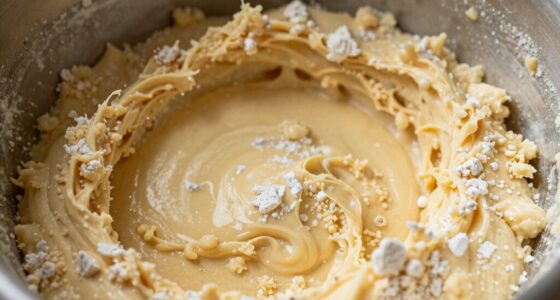
Another aspect to consider is batter consistency. If your batter is too thick, it won’t spread evenly in the waffle iron, resulting in dense or unevenly cooked waffles. If it’s too runny, the waffle might be flat and lack structure. The first waffle often suffers because your batter might not be mixed thoroughly or because you’re adjusting the recipe on the fly. As you go, you’ll fine-tune your batter to get the right thickness — typically, it should be pourable but not watery. Achieving the perfect batter consistency takes practice, and the first few waffles serve as a kind of trial run in this process. Testing and adjusting your batter is a crucial step in perfecting your waffles.
It’s also worth noting that the first waffle often sticks or tears because the waffle iron’s surface isn’t fully seasoned or properly greased yet. This can lead to a less-than-perfect appearance, but it’s nothing to worry about. Once you understand how your equipment behaves and make small adjustments, your waffles will improve. The seasoning of your waffle iron is an important factor in preventing sticking and tearing. The key is to see that initial flop as part of the learning process. With each attempt, you’ll gain confidence, better understand your equipment, and refine your technique, making subsequent waffles consistently better. So, don’t be discouraged by that first imperfect waffle — it’s just the beginning of your waffle mastery.
As an affiliate, we earn on qualifying purchases.
Frequently Asked Questions
How Can I Prevent My First Waffle From Sticking?
To prevent your first waffle from sticking, make certain your waffle iron is thoroughly preheated and lightly greased. You might need to adjust your batter by adding a bit more fat or liquid for better consistency. Also, consider proper waffle storage—keep your batter covered to prevent skin formation. With these steps, your waffles will release easily, and you’ll get perfect results every time.
What’s the Best Way to Test Waffle Batter Consistency?
Imagine your batter as a gentle river — flowing just right. To test its consistency, scoop a small amount and let it drip from a spoon; it should fall smoothly, not plop or spread thin. Adjust batter consistency by adding a splash of milk or a pinch of flour. Consistency testing helps you fine-tune your batter, ensuring your waffles turn out perfect every time, crisp on the outside and tender inside.
Why Does Temperature Affect Waffle Success?
Temperature affects waffle success because heat regulation impacts how evenly the batter cooks. Too hot, and the outside burns before the inside is done; too cool, and waffles turn out soggy. Proper ingredient timing, like letting the batter rest, helps achieve the right consistency. By controlling heat and timing your ingredients well, you guarantee your waffles cook perfectly, resulting in crispy exteriors and fluffy interiors every time.
How Do I Know When My Waffle Iron Is Ready?
Did you know that early waffle irons took up to 10 minutes to heat? To know your waffle iron’s ready, wait until the indicator light turns on or when you see steam escaping consistently. Waffle history shows that batter variations can affect cooking time, so test with a small amount first. Trust your iron’s signals, and with practice, you’ll perfect the timing for perfect waffles every time.
Can I Reuse Batter From a Failed First Waffle?
You can reuse batter from a failed first waffle, but it’s best to do so with caution. Recycle the batter for flavor enhancement by stirring in more spices or extracts, but avoid overmixing to prevent tough waffles. Keep in mind that reusing batter might affect the texture and crispiness, so consider making a fresh batch if you want ideal results. Always check the batter’s consistency before pouring it into your waffle iron.
Conclusion
So, next time your first waffle flops, don’t get discouraged. It’s almost charming how your batter stubbornly refuses to cooperate the first time—like a mischievous chef testing your patience. Remember, even the most seasoned cooks start with a soggy mess. That imperfect waffle? It’s proof you’re learning. Embrace the chaos, because in the end, the only thing that truly matters is that delicious, golden waffle waiting after a little patience—and a lot of retries.
Columbus Day / Indigenous Peoples' Day Picks
long weekend sales
As an affiliate, we earn on qualifying purchases.