
TL;DR
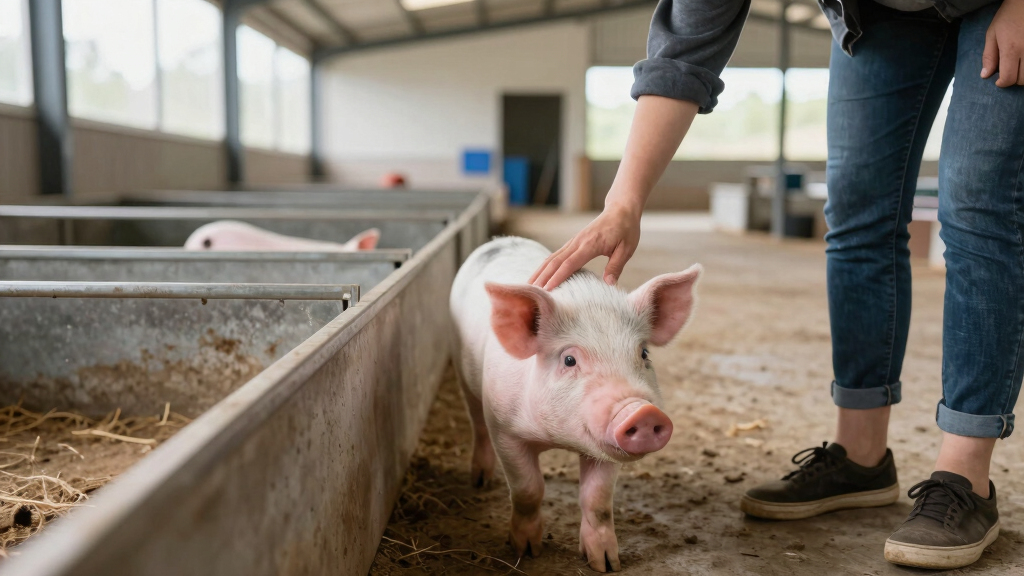
While most Americans disapprove of factory farm cruelty, widespread resistance to banning or reforming these practices remains. Psychological factors like the meat paradox sustain this contradiction, complicating efforts for change.
Many Americans oppose the cruelty involved in factory farming but remain reluctant to support measures that would end or reform these practices, illustrating a persistent psychological conflict.
Recent surveys indicate that a majority of U.S. respondents consider factory farming practices ‘somewhat unacceptable’ or ‘very unacceptable,’ yet they do not view eating meat as a moral issue. Psychological research attributes this contradiction to the ‘meat paradox,’ where individuals experience cognitive dissonance between their dislike of animal cruelty and their consumption habits.
Studies show that many people are unaware of the extent of cruelty in factory farms, and even when informed, some choose to avoid confronting these facts through willful ignorance or rationalizations, such as lowering animals’ moral status or dissociating meat from its animal origins. These behaviors help explain why public attitudes remain conflicted and resistant to change.
Why It Matters
This situation matters because it highlights the deep-rooted psychological barriers that hinder efforts to improve animal welfare and reform factory farming. Despite widespread disapproval of cruelty, consumer resistance to change sustains the status quo, complicating advocacy and policy initiatives aimed at reducing animal suffering.

Beyond Meat, Steak Plant Based Seared Tips, 10 Ounce
No hydrogenated fats or high fructose corn syrup allowed in any food
As an affiliate, we earn on qualifying purchases.
As an affiliate, we earn on qualifying purchases.
Background
Factory farms have been the dominant method of animal production in the U.S. for decades, with practices such as gestation crates and battery cages widely used. Public awareness of these practices has increased, especially following high-profile campaigns and documentaries, but changing consumer behavior remains difficult due to psychological defenses and social norms.
“Many people genuinely don’t know how cruel factory farming is, but even when they do, they often choose to look away or rationalize their behavior to avoid guilt.”
— Hank Rothgerber, psychology professor at Bellarmine University
“Despite widespread disapproval of factory farm cruelty, most Americans see eating meat as morally acceptable, illustrating the deep cognitive dissonance involved.”
— A researcher from Vox summarizing recent findings
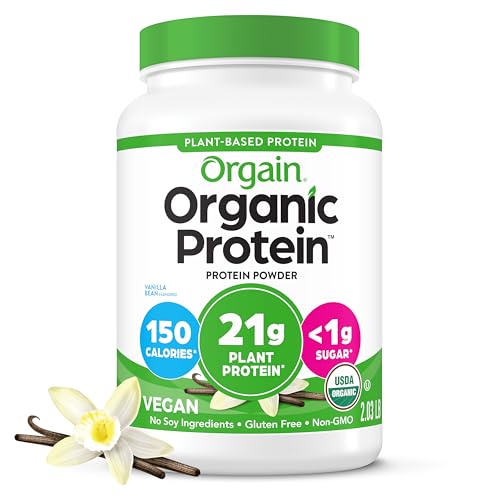
Orgain Organic Vegan Protein Powder, Vanilla Bean – 21g Plant Protein, 6g Prebiotic Fiber, No Lactose Ingredients, No Added Sugar, Non-GMO, for Shakes & Smoothies, 2.03 lb (Packaging May Vary)
CLEANER INGREDIENTS: 21g of Organic plant based protein and 1g sugar. Our protein blend contains Organic peas, brown…
As an affiliate, we earn on qualifying purchases.
As an affiliate, we earn on qualifying purchases.
What Remains Unclear
It remains unclear how effective specific interventions or policies will be in overcoming the psychological barriers that sustain resistance to reforming factory farms. The extent to which increased awareness alone can change behaviors is still uncertain, and future research is needed to identify strategies that can reconcile these conflicting attitudes.

Vegan Omega 3 Supplement – Plant Based DHA & EPA Fatty Acids – Carrageenan Free, Alternative to Fish Oil, Supports Heart, Brain, Joint Health – Sustainably Sourced Algae – 60 Softgels
VEGAN OMEGA 3 SUPPLEMENT – Sapling Omega-3 is sourced from algae. Fish get their DHA and EPA by…
As an affiliate, we earn on qualifying purchases.
As an affiliate, we earn on qualifying purchases.
What’s Next
Researchers and advocates will likely focus on developing and testing interventions aimed at reducing the meat paradox, such as educational campaigns, behavioral nudges, or policy proposals. Monitoring public attitudes and legislative responses over the coming months will clarify the potential for meaningful reform.

GreenJoy 2 Pack 2lb/2.5L Pet Food Storage Container with Measuring Cup, Can Covers and Bowl for Small Dog, Cat, Waterproof-BPA Free (Blue and Pink)
2 PACKS – Includes two small pet food storage containers, each holds up to 2.5 L or 2…
As an affiliate, we earn on qualifying purchases.
As an affiliate, we earn on qualifying purchases.
Key Questions
Why do people dislike factory farm cruelty but still eat meat?
This contradiction, known as the ‘meat paradox,’ arises from psychological defenses like ignorance, rationalization, and dissociation, which help people avoid the discomfort of acknowledging animal suffering while continuing their consumption habits.
Can increased awareness about factory farming lead to more change?
While awareness can reduce some willful ignorance, research suggests that psychological defenses may still prevent many from changing their behavior. Effective interventions need to address these underlying mechanisms.
What are some strategies to reduce resistance to reforming factory farms?
Potential strategies include educational campaigns that personalize animal suffering, behavioral nudges that promote plant-based choices, and policy measures that incentivize humane practices. The effectiveness of these approaches remains under study.
What is the role of legislation in addressing factory farm cruelty?
Legislation can set standards for animal welfare, ban particularly cruel practices, and promote transparency. However, public resistance rooted in psychological defenses may slow legislative progress, requiring complementary educational efforts.