
TL;DR

Get baking supplies delivered free — and shop member deals
- Fast, free delivery on millions of items
- Access to Prime Big Deal Days deals on October 6–7
- Prime Video, Amazon Music and more included
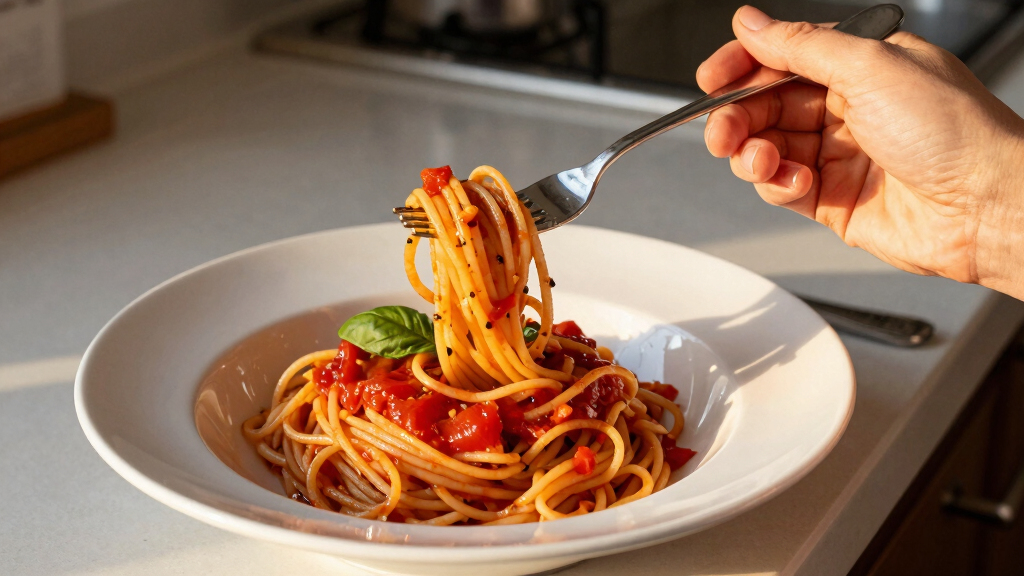
Pasta consumption has risen sharply across the globe, with increased demand in North America and Europe. This trend is linked to supply chain disruptions and shifts in eating habits, which have led many to seek out easy pasta options. The development impacts producers, retailers, and consumers, but the full scope remains under investigation.
Global pasta consumption has increased significantly in recent weeks, according to industry reports and retail sales data. This surge is attributed to a combination of supply chain adjustments and changing consumer preferences, making it a notable development for producers and retailers worldwide.
Multiple sources, including market research firms and major food retailers, confirm that pasta sales have risen by approximately 20% in the United States and 15% across several European countries over the past month. Experts attribute this growth to disruptions in global supply chains that have led consumers to stockpile staple foods, as well as a shift toward home-cooked meals amid ongoing economic and social changes.
Manufacturers report that demand has outpaced supply in some regions, leading to temporary shortages of certain pasta varieties. Retailers are adjusting inventory strategies, and some producers are ramping up production to meet the increased pasta demand. The trend appears to be sustained, with analysts predicting continued growth in the coming months.
Impacts on Food Supply Chains and Consumer Behavior
The surge in pasta consumption highlights how supply chain disruptions and consumer habits influence food markets. For producers and retailers, this shift presents both opportunities and challenges, including inventory management and pricing strategies. For consumers, increased demand may lead to shortages or higher prices for certain pasta products, affecting household budgets and shopping choices. The trend also underscores the importance of supply chain resilience in the food industry, especially for staple foods like pasta that are central to many diets worldwide.As an affiliate, we earn on qualifying purchases.
Recent Trends and Industry Responses to Pasta Demand
Over the past year, global supply chains have faced disruptions due to various factors, including pandemic-related logistics issues and geopolitical tensions. These disruptions have led consumers to seek reliable, long-lasting food staples such as pasta. Historically, pasta consumption tends to increase during economic downturns or periods of uncertainty, as it is an affordable and versatile food.
Major pasta producers, including companies in Italy, the United States, and Asia, have reported increased orders from distributors and retailers. Some have announced plans to expand production capacity, while others are exploring alternative sourcing options. Meanwhile, market analysts note that consumer preferences are shifting toward higher-quality and organic pasta varieties, further influencing market dynamics.
“We are working overtime to meet the rising demand, and our supply chain team is exploring new sourcing options to keep shelves stocked.”
— Marco Rossi, Pasta Manufacturer CEO
Unconfirmed Extent and Duration of the Demand Surge
While data confirms a recent increase in pasta sales, it is still unclear how long this trend will last. Analysts warn that demand could stabilize or decline if supply chain issues are resolved or if consumer preferences shift. Additionally, the impact of potential price increases or shortages on overall consumption remains uncertain.
Expected Industry Adjustments and Market Monitoring
Producers are likely to continue expanding capacity and exploring new supply sources in response to rising demand. Retailers will monitor inventory levels closely and may implement new stocking strategies. Market analysts will keep tracking sales data and supply chain developments to assess whether the demand surge persists or subsides. Consumers should watch for potential shortages or price changes in pasta products in the coming months.
Key Questions
What is causing the recent increase in pasta sales?
The surge is primarily driven by supply chain disruptions and a shift toward home-cooked meals, as consumers stockpile staple foods during uncertain times.
Are there shortages of certain pasta varieties?
Some regions have reported temporary shortages of specific pasta types, as demand outpaces supply, prompting manufacturers to increase production.
Will pasta prices go up due to higher demand?
It is possible that prices could increase if demand remains high and supply struggles to keep pace, but this remains to be seen as market conditions evolve.
How are producers responding to the demand surge?
Many are expanding production capacity, exploring new sourcing options, and adjusting supply chain logistics to meet consumer needs.
Source: google-trends
Fall Picks
fall essentials
As an affiliate, we earn on qualifying purchases.