
Your journey from simple wafer irons to modern brunch icons highlights how these tools evolved from handcrafted, manual devices into versatile, safety-enhanced appliances. Early models used basic materials and techniques, but technological advances brought durable metals, adjustable controls, and non-stick surfaces. These improvements made wafers and baked treats easier to make and more popular worldwide. If you keep exploring, you’ll discover how these changes reflect broader trends in food technology and culinary culture.

Get baking supplies delivered free — and shop member deals
- Fast, free delivery on millions of items
- Access to Prime Big Deal Days deals on October 6–7
- Prime Video, Amazon Music and more included
Key Takeaways
- Early wafer irons originated as simple, handcrafted kitchen tools for making crisp wafers to complement desserts.
- Technological advancements shifted production from manual craftsmanship to durable, mass-produced cast iron and steel devices.
- Recipes and culinary uses expanded, transforming wafer irons into versatile tools for cookies, stuffed treats, and baked goods.
- Modern upgrades like non-stick surfaces, electric heating, and safety features improved ease of use and safety.
- The evolution reflects broader trends in food technology, transforming from traditional tools into iconic elements of contemporary brunch culture.
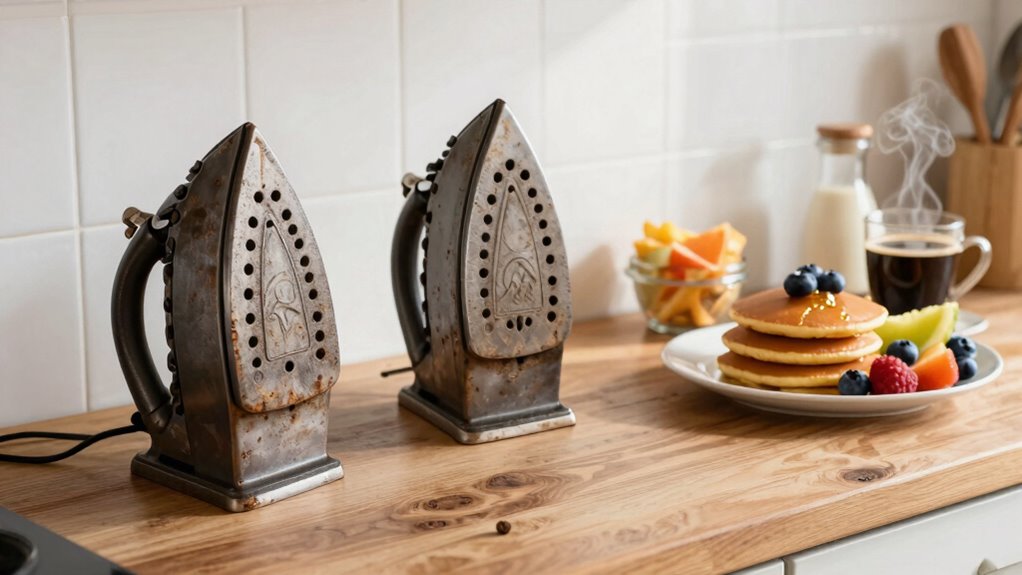
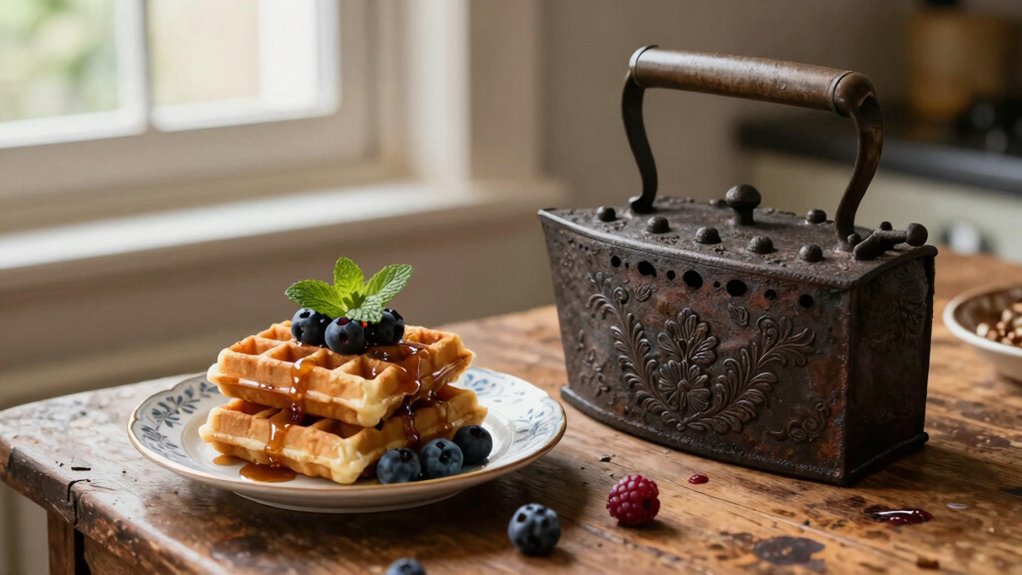
Few inventions have traveled as far as the humble wafer iron, which began as a simple kitchen tool and has transformed into a staple of brunch tables worldwide. Its journey reflects the evolution of culinary innovations and the advances in historical manufacturing techniques that made it accessible and versatile. Originally, wafer irons were crafted through basic metalworking methods, often by skilled artisans who assembled them for specific purposes—mainly creating thin, crisp wafers to complement desserts or tea. These early devices were straightforward, relying on manual heat sources like charcoal or wood, which meant each iron needed close attention during use.
As time progressed, technological advancements in manufacturing allowed for more refined and durable wafer irons. The shift from hand-forged tools to mass production in factories marked a significant turning point. During the 19th century, improvements in metalworking processes—like the introduction of cast iron and later steel—enabled the production of more uniform, reliable irons. These innovations lowered costs and increased availability, making wafer irons accessible to a broader audience. This period also saw the rise of standardized designs, which helped ensure consistent results and safer handling, pushing the wafer iron from a functional kitchen gadget into a household staple. The incorporation of early manufacturing techniques played a crucial role in establishing the foundation for modern kitchen appliances. Additionally, the development of manufacturing standards helped improve safety and efficiency in production.
Culinary innovations played a pivotal role in expanding the wafer iron’s use beyond simple wafers. As recipes and cooking techniques evolved, so did the versatility of the device. It wasn’t just for wafers anymore; bakers and home cooks experimented with different batters, creating everything from delicate cookies to stuffed treats. This adaptability helped the wafer iron become an integral part of various culinary traditions around the world. The appliance’s design was refined to include adjustable temperature controls, ensuring better control over the cooking process and resulting in crisp, evenly browned wafers every time. Additionally, the development of modern manufacturing techniques contributed to the creation of safer, more efficient appliances used today.
Today, the wafer iron stands as a proof to both historical manufacturing progress and the creative spirit of culinary innovation. Modern versions incorporate non-stick surfaces, electric heating elements, and safety features, making them easier and safer to use. Despite these technological upgrades, the core concept remains unchanged—transforming simple ingredients into delightful snacks. Its evolution also highlights the importance of historical manufacturing techniques, which allowed for the development of more reliable and accessible kitchen tools. You can see how the wafer iron’s long journey reflects broader trends in food technology and manufacturing, turning an old-fashioned kitchen tool into a beloved icon of brunch culture. Its evolution shows how innovation, driven by both necessity and creativity, continually reshapes our culinary landscape, connecting the past with the present in every crispy, golden bite.
electric wafer iron with adjustable temperature
As an affiliate, we earn on qualifying purchases.
As an affiliate, we earn on qualifying purchases.
Frequently Asked Questions
What Inspired the Original Design of Wafer Irons?
The original design of wafer irons was inspired by vintage craftsmanship and a desire to create a practical, durable tool with nostalgic aesthetics. You might notice their simple, functional form, reflecting a time when craftsmanship mattered. The design aimed to efficiently produce thin, even wafers, combining practicality with charm. This blend of utility and nostalgic appeal has kept wafer irons beloved, symbolizing a bygone era of craftsmanship and timeless design.
How Did Wafer Irons Influence Modern Brunch Cuisine?
Wafer iron craftsmanship profoundly influences modern brunch cuisine by inspiring vintage kitchen tools like waffle makers, which have become staples. You see, these tools evolved from traditional wafer irons, emphasizing precision and artistry. Their design, rooted in craftsmanship, paved the way for contemporary appliances that create delightful brunch treats. As a result, vintage kitchen tools continue to shape the way you enjoy classic brunch dishes today, blending history with modern convenience.
Were Wafer Irons Used for Anything Other Than Waffles?
Wafer irons, rooted in wafer iron history, weren’t just for waffles. You might have used them for crafting decorative cookies, crisping delicate pastry layers, or even making thin, crispy snacks. Their versatility in culinary evolution allowed cooks to experiment, shaping treats beyond traditional waffles. By pressing various ingredients, you could create intricate designs, crispy textures, or delicate layers, proving that wafer irons served a broader purpose in the kitchen than just waffle making.
What Are Some Rare Historical Wafer Iron Designs?
You’ll find that rare historical wafer iron designs showcase vintage craftsmanship and often feature artistic motifs. Some of these unique pieces include irons with intricate patterns like floral, geometric, or mythical scenes, crafted during the 19th century. These designs weren’t just functional; they reflected artistry and cultural symbolism. Collectors prize these vintage wafers irons for their craftsmanship and the stories they tell through detailed, artistic motifs.
How Have Wafer Irons Impacted Breakfast Culture Globally?
You see, wafer irons have shaped breakfast traditions worldwide by enabling culinary innovations like intricate waffle designs and playful shapes. They’ve inspired cultural shifts, turning simple breakfast routines into artistic expressions and social rituals. As you enjoy a freshly made waffle, remember that these irons have played a key role in enriching breakfast culture, making it more diverse, fun, and memorable across different regions and generations.
Conclusion
Today, as you savor that crispy brunch favorite, remember it’s like a journey from humble wafer irons to beloved icons. Just as those early tools transformed into modern marvels, your breakfast traditions have evolved beautifully over time. Every bite connects you to history’s quiet innovation and culinary progress. So next time you enjoy brunch, appreciate the long, flavorful journey that brought this simple pleasure to your plate—like a bridge spanning generations of culinary creativity.
Fall Picks
fall essentials
As an affiliate, we earn on qualifying purchases.